4402 E 32nd St Suite B, Joplin, MO 64804, United States

How Long Do Dental Crowns Last?
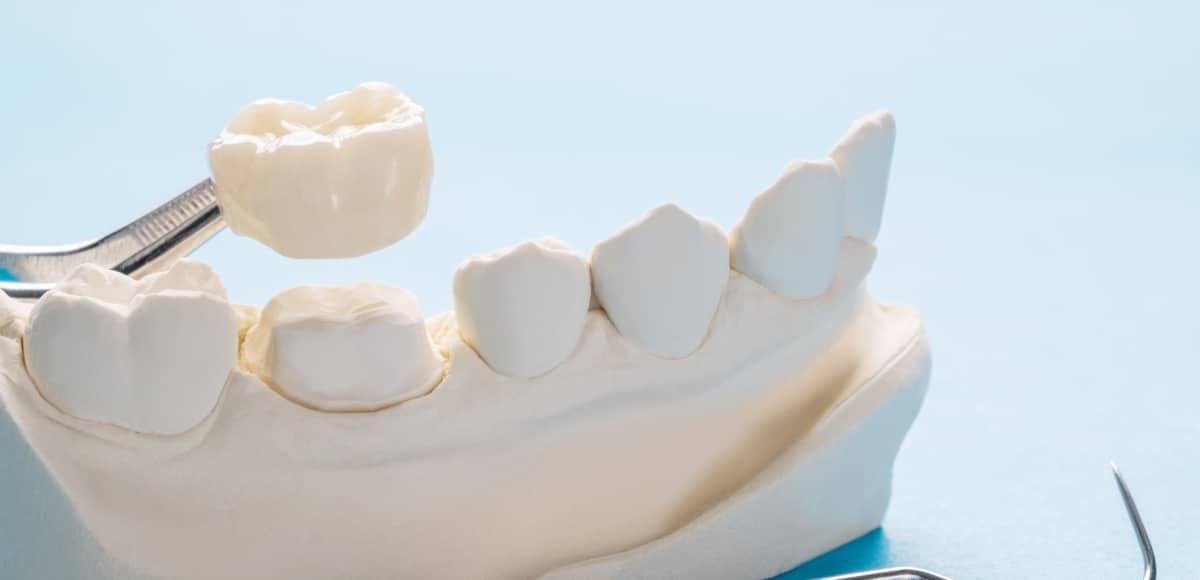
Are you ready to crown your smile with the perfect dental solution? Dental crowns are a popular and effective treatment option for restoring damaged teeth, but have you ever wondered how long they last? We’re here to answer all your burning questions about the lifespan of dental crowns. So sit back, relax, and dive into the fascinating world of dental restoration to discover how enduring these little wonders can be! Whether you’re considering getting a crown from a dentist in Joplin or already have one – this blog post will surely leave you grinning from ear to ear.
Materials Used In A Dental Crown
The materials used are crucial to dental crowns’ durability and aesthetic allure. In modern dentistry, there are various options for constructing these restorations.
PFM, or porcelain fused to metal, is a common material. This form of crown is composed of a metal base covered in tooth-colored porcelain. PFM crowns provide strength due to the underlying metal structure while offering an aesthetically appealing appearance.
All-ceramic or all-porcelain crowns are a popular alternative. These crowns are manufactured entirely of ceramic, making them biocompatible and ideal for patients with metal allergies. Additionally, all ceramic crowns have excellent light transmission properties, imitating the natural translucency of teeth for a more natural appearance.
Crowns made of zirconia may be the solution for those who prioritize aesthetics. Zirconia is a resilient material that can withstand biting forces without chipping or splitting. These crowns provide exceptional durability and natural-looking results that seamlessly integrate with your existing teeth.
Gold alloy is sometimes recommended due to its unparalleled strength and durability. Although it is less common today due to its distinct appearance, gold alloy is an excellent option for clinical applications requiring maximal strength.
Considerations such as oral health requirements, personal preferences, and budget influence the choice of dental crown material. Consultation with your dentist will assist you in determining which material is optimal for your unique situation.
Preparation For A Dental Crown
Source: Teeth Talk Girl
Preparing a tooth for a dental crown is essential for a successful and durable restoration. Your dentist will need to remove any decay or injury from the affected tooth prior to placing the crown. This procedure helps establish a secure foundation for the crown.
To ensure your comfort throughout the procedure, your dentist will administer local anesthesia to sedate the area surrounding the tooth. Once numbness is obtained, any decayed or damaged portions of your tooth will be removed using specialized dental instruments.
Your dentist will then reshape and contour the natural tooth to accommodate the crown. This involves removing a portion of the tooth’s outer structure so that the crown fits appropriately with adjacent teeth and does not interfere with the bite.
Upon completion of these processes, impressions of the prepared tooth are made using either traditional molds or digital scanning technology. These impressions guide the creation of a custom dental crown that meets all size and shape specifications.
While waiting for your permanent crown to be fabricated in a dental lab (typically 2-3 weeks), you may receive a temporary crown to safeguard and cover up your prepared tooth.
Proper preparation ensures that when it is time to place your final dental crown, everything fits flawlessly and comfortably – restoring function and appearance!
How Long Dental Crowns Last
When having a dental crown in Joplin, it is crucial to consider the longevity of the crown. You want your investment in a crown to be as long-lasting as feasible! The good news is that dental crowns can last 10 to 15 years or even longer with appropriate care and maintenance.
The material used in a dental crown is crucial to its durability. The durability and natural aspect of porcelain crowns make them a popular option among patients. However, they may not be as durable as crowns made of metal or ceramic.
How well the tooth beneath the crown is protected and maintained contributes to its durability. A tooth with a crown still requires regular brushing, flossing, and dental cleanings and exams. The lifespan of a crown can be shortened by neglecting oral hygiene practices or developing periodontal disease around the crowned tooth.
In addition, habits such as teeth grinding or biting hard objects can place excessive force on the crown, resulting in injury or premature wear. Protective measures, such as wearing a mouthguard during sports or addressing teeth-grinding issues, can extend the life of a crown.
By selecting high-quality materials for your dental crown and maintaining good oral hygiene and healthy practices, you increase the likelihood that you will be able to enjoy your beautiful smile with minimal replacement needs over time.
Suppose you need dental crowns or have concerns about your existing crowns. In that case, the best action is to consult with an experienced dentist in Joplin who can evaluate your situation and provide tailored advice. Remember to schedule regular professional cleanings and exams to maintain the longevity of your dental restorations.
No longer permit damaged or discolored teeth to affect your appearance. Dental crowns provide both esthetic enhancement and functional restoration, allowing you to flaunt your pearly whites confidently for years to come.
Contact our clinic in Joplin today for expert advice on dental crowns and other restorative procedures. Our seasoned team is committed to providing each patient with exceptional care.