4402 E 32nd St Suite B, Joplin, MO 64804, United States

What Causes Dry Mouth At Night?
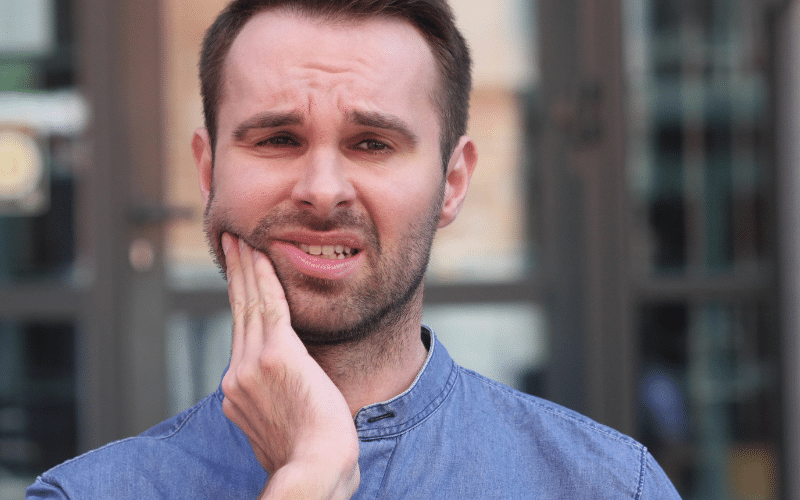
Have you ever woken up parched in the middle of the night, struggling to produce saliva and feeling as if your mouth is as dry as the Sahara? If so, you’re not alone. Dry mouth, or xerostomia, can be a common and uncomfortable condition, especially during nighttime hours. In this comprehensive guide, we’ll delve into the various causes of dry mouth at night and provide practical tips and remedies to help you find relief. From medication side effects to dehydration and mouth breathing, we’ll explore the factors contributing to this condition and offer actionable insights to manage it effectively. Let’s explore the world of dry mouth at night together.
Causes of Dry Mouth At Night
- Side Effects of Certain Medications: Many medications, including antihistamines, antidepressants, and medications for high blood pressure, can cause dry mouth as a side effect. These medications may interfere with saliva production, leading to dryness, especially at night.
- Dehydration: Not drinking enough fluids throughout the day can lead to dehydration, which can manifest as dry mouth, particularly during sleep. Factors such as excessive sweating, fever, or insufficient water intake can contribute to dehydration and exacerbate nighttime dryness.
- Mouth Breathing: Habitual mouth breathing, whether due to nasal congestion, sleep apnea, or other factors, can contribute to dry mouth at night. Breathing through the mouth can lead to decreased saliva production and increased oral dryness, especially during sleep when saliva flow naturally decreases.
- Medications and Medical Treatments: Certain medical treatments, such as radiation therapy to the head and neck or chemotherapy, can damage salivary glands and impair saliva production, resulting in dry mouth. Additionally, some medications used in these treatments may exacerbate dry mouth symptoms.
- Illnesses: Health conditions such as diabetes, Sjögren’s syndrome, and autoimmune disorders can be associated with dry mouth. These conditions may affect salivary gland function or lead to systemic dehydration, contributing to nighttime dryness.
- Smoking: Tobacco use, whether through smoking cigarettes or other forms of tobacco consumption, can exacerbate dry mouth symptoms. Smoking can irritate the mouth and throat, leading to decreased saliva production and increased oral dryness, particularly at night.
Symptoms of Dry Mouth
Dry mouth can manifest with various symptoms, including:
- Persistent thirst
- Sticky or dry feeling in the mouth
- Difficulty swallowing or speaking
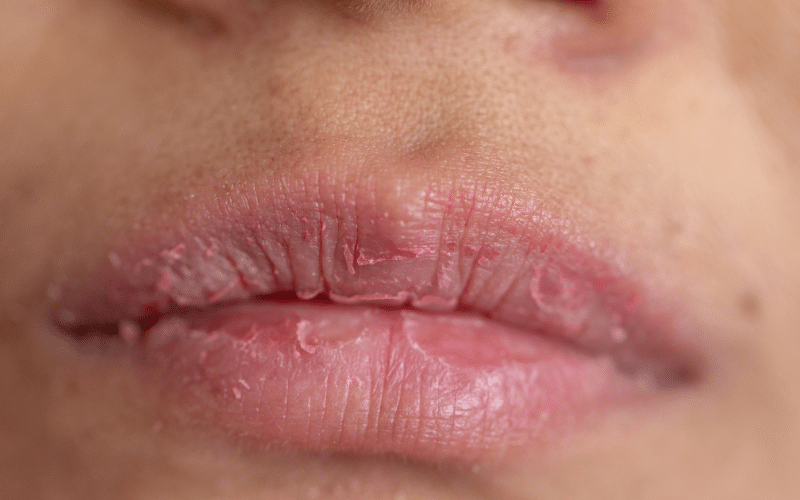
- Dry, cracked lips
- Sore throat or hoarseness
Recognizing these symptoms is crucial for identifying and addressing dry mouth effectively.
How Is Dry Mouth Treated?
- Drink Plenty of Fluids: Staying hydrated is essential for combating dry mouth. Drink water regularly throughout the day and keep a glass of water by your bedside to sip on during the night.
- Use a Humidifier: Using a humidifier in your bedroom can help add moisture to the air, reducing dryness and discomfort associated with nighttime dry mouth. Opt for a cool mist humidifier for safe and effective hydration.
- Quit Smoking: If you smoke, quitting is essential for improving oral health and reducing dry mouth symptoms. Seek support from healthcare professionals or smoking cessation programs to kick the habit and experience the benefits of a smoke-free lifestyle.
- Address Mouth Breathing: If mouth breathing is contributing to your dry mouth at night, explore strategies to address underlying issues such as nasal congestion or sleep apnea. Consult with a healthcare provider or sleep specialist for personalized recommendations and treatment options.
Follow-Up Appointments
Regular follow-up appointments with your dentist or healthcare provider are essential for monitoring and managing dry mouth. Your local dentist can assess your oral health, recommend appropriate treatments, and address any concerns related to dry mouth effectively.
When to Talk to Your Doctor
If you experience persistent or severe dry mouth symptoms, it’s essential to consult with your doctor or dentist for further evaluation and management. Dry mouth can have various underlying causes, and addressing these factors is crucial for long-term oral health and overall well-being.
Take Action Against Dry Mouth At Night
Dry mouth at night can be a frustrating and uncomfortable experience, but with awareness and proactive measures, you can find relief and improve your oral health. By understanding the causes of dry mouth and implementing practical strategies such as staying hydrated, using a humidifier, and addressing mouth breathing, you can effectively manage this condition and enjoy a more comfortable sleep.
Don’t hesitate to reach out to your dental office or schedule an appointment with your healthcare provider if you’re struggling with dry mouth symptoms. Your oral health is essential, and taking steps to address dry mouth can lead to improved comfort and well-being.