4402 E 32nd St Suite B, Joplin, MO 64804, United States

Unveiling Advancements in Dental Composite Technology
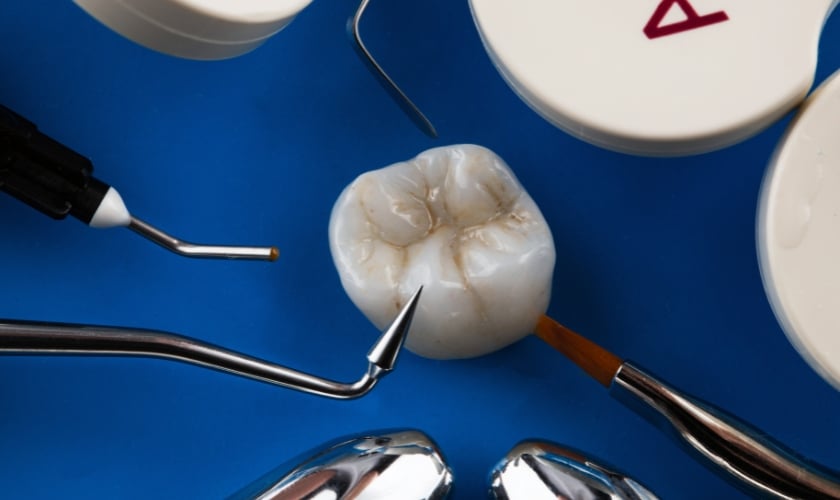
For centuries, dentistry has continuously evolved to provide patients with optimal oral health. In the realm of dental restorations, the materials used for fillings have undergone a significant transformation.
The Ever-Evolving Landscape of Dentistry
Traditionally, amalgam fillings, also known as silver fillings, were the mainstay for repairing cavities. While these fillings were durable, they had several drawbacks:
- Mercury content: Amalgam fillings contain mercury, which has raised concerns about potential health risks.
- Aesthetics: The metallic appearance of amalgam fillings is often noticeable and detracts from a natural smile.
- Tooth structure removal: Placing amalgam fillings often required removing more healthy tooth structure compared to newer options.
These limitations paved the way for the introduction of dental composites in the late 20th century. These tooth-colored materials have revolutionized restorative dentistry, offering a superior alternative to traditional fillings.
Unveiling the Science Behind Dental Composites
Dental composites are a marvel of material science, combining aesthetics with functionality. Let’s delve deeper into their composition and how they work:
Components of Dental Composites:
- Resin: This forms the base of the composite, acting as a glue that binds all the other components together.
- Fillers: These make up the majority of the composite and provide strength, wear resistance, and define its optical properties. Different types of fillers are used, including glass particles, ceramic particles, and even nanoparticles in some advanced composites.
- Coupling agents: These ensure a strong bond between the resin and the fillers.
- Initiators and activators: These chemicals trigger the hardening process of the composite material.
- Pigments and dyes: These customize the shade of the composite to perfectly match the natural color of your teeth.
Types of Dental Composites:
There are various types of dental composites available in Joplin, each suited for specific applications:
- Direct vs. Indirect composites: Direct composites are placed directly in the tooth during the procedure by the dentist. Indirect composites are created in a dental lab and then bonded to the tooth during a subsequent appointment.
- Nanocomposites: These composites incorporate nanoparticles as fillers, leading to enhanced strength, polishability, and resistance to wear.
- Flowable composites: These have a more fluid consistency, making them ideal for smaller cavities or for lining deeper cavities before placing a more rigid composite.
The Bonding Process:
Dental composites require a special bonding agent to adhere to the tooth structure. This multi-step process involves etching the tooth enamel to create microscopic irregularities, followed by applying the bonding agent, which creates a chemical link between the tooth and the composite.
Advantages of Dental Composites:
Compared to traditional fillings, dental composites offer a multitude of benefits:
- Superior aesthetics: They can be precisely matched to the color of your teeth, resulting in a natural-looking restoration.
- Strong and durable: Modern composites offer excellent strength and can withstand biting forces.
- Minimally invasive: Placing composite fillings often requires removing less tooth structure compared to amalgam fillings.
- Versatility: Composites can be used for a wide range of dental procedures, including fillings, crowns, veneers, and even repairing chipped teeth.
Redefining Dental Treatments with Advanced Composites
The introduction of dental composites has significantly impacted the way dentists approach restorative and cosmetic procedures. Let’s explore how these advanced materials are transforming dental treatments:
Applications of Dental Composites:
Dental composites offer a versatile solution for various dental needs:
- Fillings: This is the most common application of composites, used to repair cavities of all sizes.
- Crowns: Composite crowns can be a more aesthetic alternative to traditional metal crowns, especially for front teeth.
- Veneers: Composite veneers can be used to improve the appearance of chipped, cracked, discolored, or misaligned teeth.
- Bonding: Composites can be used to bond small tooth fragments back together or close gaps between teeth.
Minimally Invasive Dentistry with Composites:
One of the significant advantages of composites is their ability to preserve healthy tooth structure. Unlike traditional fillings, which often require removing significant portions of the tooth, composites can bond to the remaining healthy tooth structure, leading to a more conservative approach to restorative dentistry.
The Growing Role of Composites in Cosmetic Dentistry:
The natural appearance of dental composites has made them a popular choice in cosmetic dentistry. Their ability to seamlessly blend with surrounding teeth allows for achieving a natural and aesthetically pleasing smile.
Improving Patient Experience:
Dental procedures involving composites are often less invasive and require less drilling compared to traditional methods. This translates to a more comfortable experience for patients, with reduced discomfort and shorter treatment times.
Ensuring Long-Lasting Results with Composite Care
Just like any dental restoration, proper care is essential to ensure the longevity of your composite fillings or other restorations. Here’s what you can do to maximize the lifespan of your composites:
Maintaining Good Oral Hygiene:
- Brushing: Brush your teeth twice a day with a soft-bristled toothbrush and fluoride toothpaste.
- Flossing: Floss daily to remove plaque and food particles from between your teeth.
- Regular dental cleanings: Schedule regular checkups and cleanings with your Joplin dentist to monitor your oral health and remove any built-up plaque or tartar.
Factors Affecting Longevity:
Several factors can influence the longevity of your composite restorations:
- Placement technique: The skill and experience of your nearest dentist play a crucial role in ensuring a proper and long-lasting placement of the composite.
- Oral hygiene habits: Maintaining good oral hygiene practices significantly reduces the risk of decay around the composite restoration.
- Diet: Limiting sugary and acidic foods helps protect your teeth and the composite material.
- Bruxism (teeth grinding): If you grind or clench your teeth, a night guard may be recommended to protect your restorations from excessive wear.
Importance of Regular Dental Checkups:
Regular dental checkups are vital for monitoring the condition of your composite restorations. During these visits, your dentist can:
- Evaluate the integrity of the restoration for any signs of wear, chipping, or leakage.
- Identify any potential problems with your surrounding tooth structure.
- Recommend any necessary repairs or replacements to maintain optimal oral health.
Potential Risks:
While dental composites are generally safe and durable, there are some potential risks to consider:
- Wear and tear: Over time, composites can experience wear and tear, especially with improper care habits or due to bruxism.
- Chipping: Composites can chip if subjected to excessive force, such as biting on hard objects.
If you experience any concerns about your composite restorations, such as chipping, discoloration, or sensitivity, it’s crucial to schedule an appointment with your nearest dentist for a prompt evaluation and necessary treatment.
Conclusion
The advancements in dental composite technology in Joplin, MO, have revolutionized dentistry, offering patients a wealth of benefits.
- Enhanced Aesthetics: Dental composites provide a natural-looking solution for repairing and restoring teeth, leading to a more confident smile.
- Improved Patient Experience: Minimally invasive procedures and reduced discomfort make dental treatments involving composites more comfortable for patients.
- Versatility of Applications: These advanced materials can be used for a wide range of dental procedures, from fillings to cosmetic enhancements.
- Preservation of Natural Tooth Structure: The ability to bond to existing tooth structure allows for a more conservative approach to restorative dentistry.
The future of dental composites holds even greater promise. Researchers are continuously developing new materials with even greater strength, durability, and biocompatibility. As technology progresses, dental composites are poised to play an even more significant role in shaping the future of dental care.
Schedule a consultation with your Joplin dentist to discuss your individual needs and explore the possibilities of achieving a healthy and beautiful smile with the help of these innovative materials.
Frequently Asked Questions
What are dental composites made of?
Dental composites are a combination of resin, fillers, coupling agents, initiators, and pigments. Resin acts as the base, while fillers provide strength and define the optical properties. Coupling agents ensure a strong bond, initiators trigger hardening, and pigments customize the shade for a natural look.
Are dental composites safe?
Yes, dental composites are considered safe for most people. The materials used undergo rigorous testing to ensure biocompatibility. However, if you have any concerns or allergies, discuss them with your dentist.
How strong are dental composites compared to metal fillings?
Modern dental composites offer excellent strength and can withstand biting forces. While not quite as strong as traditional metal fillings, advancements have significantly improved their durability.