4402 E 32nd St Suite B, Joplin, MO 64804, United States

IV Sedation for Dental Anxiety or Extensive Procedures: Your Complete Guide

Dental anxiety is a common fear that can significantly impact your oral health. If the thought of visiting the dentist fills you with dread, you’re not alone. Millions of people experience dental anxiety, which can manifest in various ways:
- Symptoms: Rapid heartbeat, sweating, nausea, difficulty breathing, panic attacks
- Causes: Fear of pain, needles, drills, loss of control, past negative experiences
- Prevalence: Studies suggest that up to 40% of adults experience some level of dental anxiety, with 10-15% having severe anxiety that prevents them from seeking dental care.
If dental anxiety keeps you from getting the dental care you need, IV sedation dentistry can be a game-changer in Joplin, MO.
What is IV sedation dentistry?
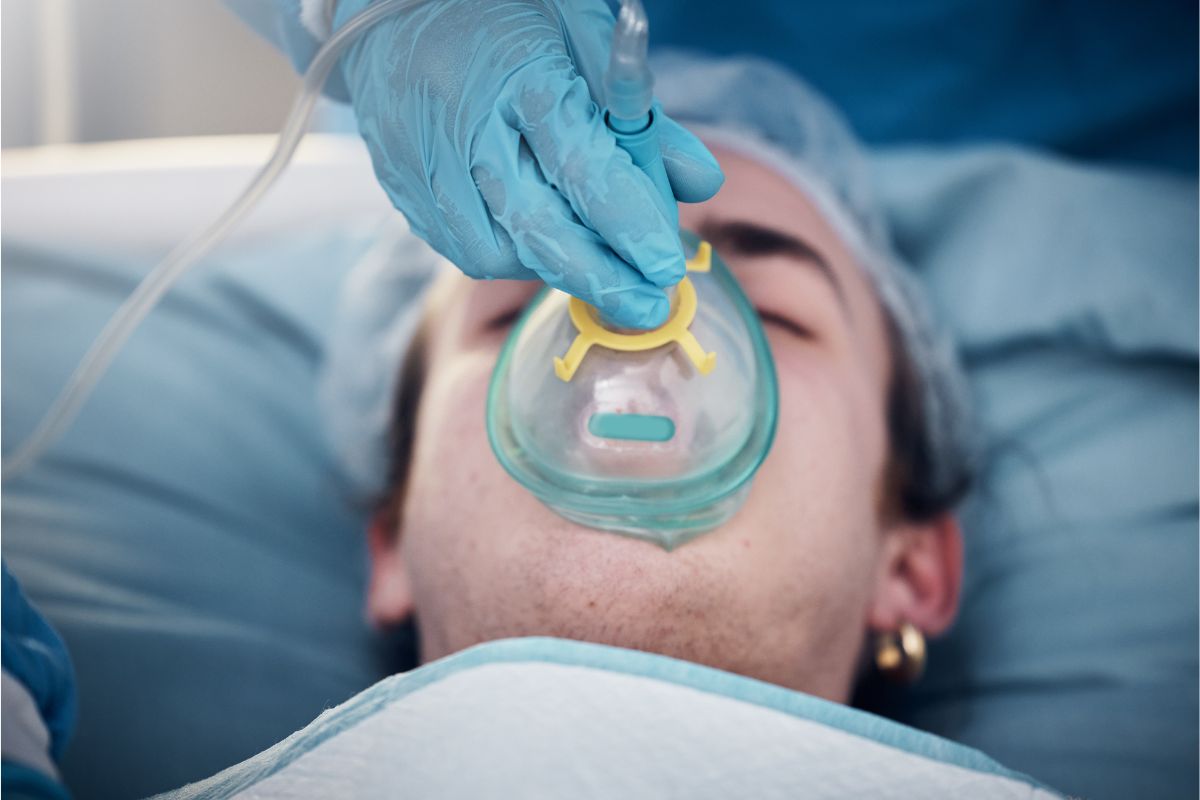
IV sedation, also known as conscious sedation, is a technique that uses medication delivered intravenously (through a vein) to help you relax and feel comfortable during your dental procedure. You won’t be completely unconscious, but you’ll be in a deeply relaxed state, with minimal anxiety and memory of the procedure.
Here’s how IV sedation benefits those with dental anxiety:
- Reduced Fear: The medication significantly reduces anxiety and fear, making the dental experience much less stressful.
- Increased Comfort: You’ll feel relaxed and calm throughout the procedure.
- Better Outcomes: Being more relaxed allows the Joplin dentist to work more efficiently and effectively, leading to better treatment outcomes.
In addition to managing anxiety, IV sedation offers advantages for extensive dental procedures:
- Pain Management: The medication provides pain relief, making complex procedures more comfortable.
- Longer Appointments: With IV sedation, you can tolerate longer appointments, allowing the dentist to complete multiple procedures in one sitting, reducing the number of visits required.
Candidacy for IV Sedation
IV sedation is a safe and effective option for many people, but it’s not suitable for everyone. Here’s a breakdown of who might be a good candidate for IV sedation dentistry:
- Healthy Adults: Generally, healthy adults in good overall health are good candidates for IV sedation.
- Dental Anxiety Sufferers: If you experience significant dental anxiety that hinders your ability to receive dental care, IV sedation can be a great solution.
However, certain conditions may limit your candidacy for IV sedation:
- Certain Medical Conditions: People with uncontrolled medical conditions like sleep apnea, severe heart disease, or uncontrolled high blood pressure may not be suitable for IV sedation.
- Pregnancy: Pregnant women are typically advised against IV sedation due to potential risks to the developing fetus.
Before recommending IV sedation, your dentist will conduct a thorough consultation to assess your suitability. This consultation will involve:
- Medical History Review: Your dentist will review your medical history to identify any potential risks associated with IV sedation.
- Discussion of Medications: Be honest about all medications and supplements you’re taking, as some can interact with sedation medications.
Honesty about your medical history and medications is crucial for ensuring your safety during IV sedation.
The IV Sedation Process
Knowing what to expect during IV sedation can help alleviate any anxiety you might have. Here’s a step-by-step breakdown of the process:
A. Before Your Appointment
- Fasting Instructions: Your Joplin dentist will provide specific instructions on how long to fast before your appointment. Typically, you’ll need to avoid eating solid foods for several hours beforehand. Clear liquids like water may be allowed.
- Medications to Avoid: Certain medications can interact with sedation medications. Your dentist will advise you on any medications you should avoid taking before your appointment.
B. Arrival at the Dental Office
- Vitals Check: Upon arrival at the dentist’s office, your vital signs like blood pressure, heart rate, and oxygen levels will be checked.
- Consent Forms: You will be asked to review and sign consent forms outlining the risks and benefits of IV sedation.
C. Starting the IV and Administering Medication
- Starting the IV Line: A thin needle will be inserted into a vein in your arm to establish an IV line. This may cause a slight prick, but most people tolerate it well.
- Medication Administration: The sedative medication will be slowly introduced through the IV line. The dosage can be adjusted throughout the procedure to maintain your desired level of sedation.
D. Monitoring Your Sedation Level
- Throughout the procedure, your dentist will closely monitor your vital signs and level of sedation. This ensures your safety and allows them to adjust the medication dosage as needed.
- You may remain conscious but feel very relaxed and drowsy. You might not remember much of the procedure afterward.
E. Recovery Process After Sedation
- After the procedure, you’ll be monitored in a comfortable recovery area until the effects of the medication wear off. This typically takes about 30-60 minutes.
- You won’t be able to drive yourself home after IV sedation. Arrange for a friend or family member to drive you home or utilize a ride-sharing service.
- Your dentist will provide specific discharge instructions, including pain management and post-operative care.
Safety and Potential Risks of IV Sedation
IV sedation dentistry is a safe and well-tolerated procedure when performed by a qualified dentist. However, like any medical procedure, there are some potential risks involved. Here’s a breakdown of the safety measures taken and potential side effects:
A. Safety Measures Taken by Dentists
Your dentist will take several precautions to ensure your safety during IV sedation:
- Monitoring: Your vital signs, including blood pressure, heart rate, and oxygen levels, will be continuously monitored throughout the procedure.
- Qualified Staff: The dentist will be assisted by a trained dental professional who can monitor your sedation level and respond to any potential issues.
- Emergency Equipment: The dental office will be equipped with emergency equipment to handle any unforeseen complications.
B. Potential Side Effects of IV Sedation
Most people experience minimal side effects after IV sedation. Here are some common ones:
- Nausea: Nausea is a relatively common side effect, but it can usually be managed with medication.
- Drowsiness: You may feel drowsy after the procedure. It’s important to arrange for someone to drive you home.
- Headache: Mild headaches can occur after IV sedation, but they typically respond well to over-the-counter pain medication.
C. Rare but Serious Complications
Serious complications associated with IV sedation are very rare. However, it’s important to be aware of them:
- Allergic Reactions: Allergic reactions to the sedative medication can occur, although this is uncommon.
- Breathing Problems: In rare cases, breathing difficulties may develop during sedation. This is why close monitoring is essential.
D. Importance of Choosing a Qualified Dentist
To minimize risks and ensure a safe experience, it’s crucial to choose a qualified dentist experienced in administering IV sedation. Look for a dentist who:
- Has extensive training and experience in IV sedation dentistry.
- Has a team trained to manage patients undergoing sedation.
- Has the necessary equipment and facilities for safe sedation procedures.
By following these guidelines, you can significantly reduce the risk of complications associated with IV sedation.
Final Words
IV sedation dentistry can be a valuable tool for managing dental anxiety and ensuring a comfortable experience during complex procedures. By understanding the process, benefits, and risks involved, you can make an informed decision about whether IV sedation is right for you. If you have any concerns or questions, consult with your dentist to discuss your individual needs and anxieties. They can help you determine if IV sedation is the best course of action for achieving optimal oral health.
Frequently Asked Questions
Will I be completely unconscious during IV sedation?
No, IV sedation is considered conscious sedation. You’ll remain conscious but in a deeply relaxed state. You may not remember much of the procedure afterward.
Is IV sedation painful?
Inserting the IV line may cause a slight prick, but the medication itself won’t cause any pain. You’ll likely feel very relaxed and comfortable throughout the procedure.
How long will the effects of IV sedation last?
The effects of IV sedation typically wear off within 30-60 minutes after the procedure. However, the feeling of drowsiness may linger for a few hours.