4402 E 32nd St Suite B, Joplin, MO 64804, United States

The Impact of Acidic Foods on Dental Health
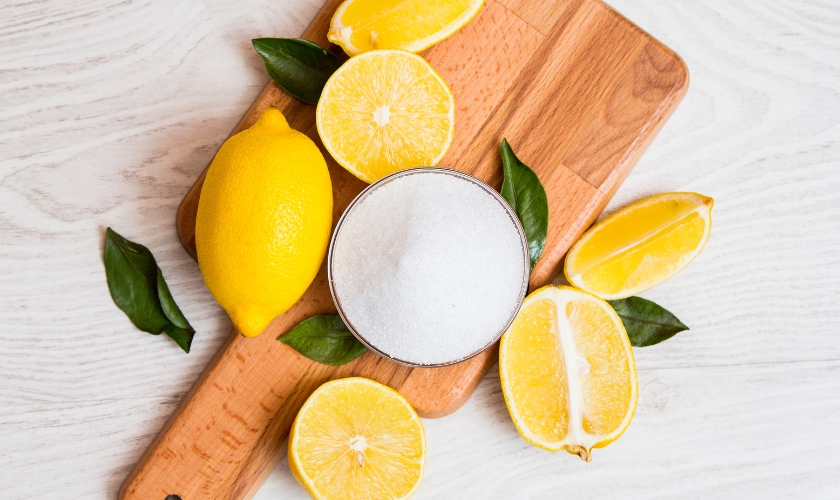
Maintaining optimal dental health goes beyond regular brushing and flossing. One of the often-overlooked aspects is the role of our diet, particularly acidic foods. These items can significantly influence the condition of our teeth and gums. Understanding how these foods affect dental hygiene is crucial for ensuring that your smile remains bright and healthy.
What Are Acidic Foods?
Acidic foods typically have a pH level of less than 7. Common examples include citrus fruits like oranges and lemons, certain berries, soda, vinegar, and some fermented products. While these foods can offer various health benefits, they also pose a risk to your dental hygiene if consumed excessively. The acidity in these foods can wear down the enamel, the outer layer of your teeth, leading to numerous dental issues.
Enamel serves as a protective barrier for teeth, shielding them from decay and sensitivity. When you consume acidic foods, the acid can start to erode this enamel. The process, known as demineralization, weakens teeth and increases the likelihood of cavities. In many cases, the damage can occur without noticeable symptoms, making it even more dangerous.
The Erosion Process
The erosion process happens gradually. Each time you consume something acidic, the pH in your mouth drops. This acidic environment triggers the demineralization of enamel. Over time, this can lead to several dental problems, including sensitivity to hot or cold foods, discoloration, and an increased risk of cavities.
Research indicates that frequent exposure to acid can lead to what dentists call “tooth erosion.” This condition not only affects the appearance of your teeth but also their functionality. Individuals experiencing tooth erosion may find it challenging to bite into hard foods or experience pain when consuming hot or cold beverages.
Daily Habits That Can Help
You can take several proactive steps to protect your enamel and maintain good dental hygiene. First and foremost, consider moderating your intake of acidic foods. While it’s not necessary to eliminate them entirely, being mindful of portion sizes can go a long way. If you enjoy citrus fruits or sodas, try to consume them in moderation.
Moreover, timing can be essential. Instead of sipping on acidic beverages throughout the day, try to consume them in one sitting. This approach limits the time your teeth are exposed to acid. Rinsing your mouth with water after consuming acidic foods can help neutralize the acid and reduce its harmful effects.
Rinse and Brush Wisely
When it comes to dental hygiene, the timing of your oral care routine matters. Many people mistakenly believe that brushing their teeth immediately after consuming acidic foods is a good idea. However, this can further damage the enamel that has been softened by the acid. It’s advisable to wait at least 30 minutes before brushing your teeth.
During this waiting period, consider rinsing your mouth with water or a fluoride mouthwash. This step helps wash away food particles and neutralize acid, allowing your saliva to do its natural work in remineralizing your teeth.
Alternative Foods for Dental Health
Incorporating non-acidic foods into your diet can also significantly benefit your dental hygiene. Dairy products, such as yogurt and cheese, can help neutralize acids in the mouth. These foods are rich in calcium and phosphates, which contribute to enamel remineralization.
Leafy greens, nuts, and seeds are also excellent choices. These foods provide essential nutrients and are low in acidity. Whole grains can promote healthy saliva production, further assisting in maintaining a balanced oral environment.
Regular Dental Check-ups
In addition to managing your diet, regular dental check-ups are crucial for maintaining your oral health. Routine visits to your dentist can help catch issues early before they escalate into more significant problems. During these visits, your dentist can assess your enamel’s condition and provide personalized recommendations for your dental hygiene routine.
Professional cleanings remove plaque and tartar buildup, further safeguarding your teeth from decay. If you’re concerned about enamel erosion, your dentist can suggest treatments, such as fluoride varnishes or dental sealants, to provide additional protection.
Hydration Matters
Staying hydrated is another essential aspect of maintaining good dental hygiene. Drinking plenty of water not only keeps you hydrated but also helps wash away food particles and acids that linger in your mouth. Water promotes saliva production, which is your mouth’s natural defense mechanism against acidity. Saliva contains minerals that aid in remineralizing enamel and neutralizing harmful acids.
For those who enjoy flavored beverages, opt for water infused with fruits or herbs instead of sugary sodas or juices. This way, you can enjoy a refreshing drink without subjecting your teeth to excessive acidity.
Mind Your Snacks
Snacking is a common part of many people’s daily routines. However, the types of snacks you choose can greatly influence your dental hygiene. Consider healthier alternatives instead of reaching for acidic snacks like fruit candies or chips. Nuts, yogurt, and raw vegetables can provide nutrients without the harmful effects of acidity.
If you do choose to indulge in a treat, try to follow it up with water to neutralize any acids. Your snack choices can significantly affect your overall dental health.
Final Thoughts
The effects of acidic foods on dental hygiene are profound and far-reaching. While these foods can be part of a healthy diet, moderation and timing are key. By being mindful of your food choices, maintaining a proper oral care routine, and scheduling regular visits to your dentist, you can significantly reduce the risk of enamel erosion and its associated issues. For optimal dental health, consult with your local Joplin dentist to develop a tailored plan that considers your unique dietary habits and lifestyle.