4402 E 32nd St Suite B, Joplin, MO 64804, United States

Cracked Tooth? Here’s How Dental Onlays Can Help
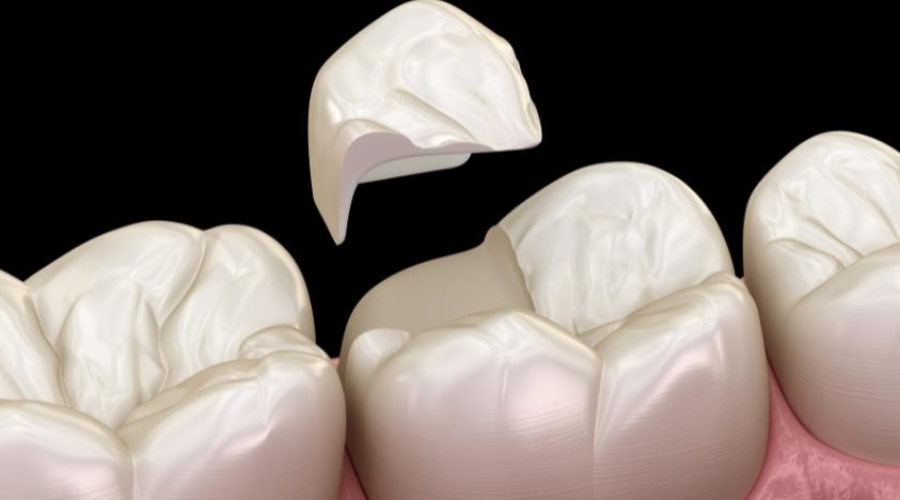
Ever bitten into something and felt an unexpected crack? Whether it’s from an accident, teeth grinding, or just plain wear and tear, a cracked tooth can quickly go from a minor annoyance to a major dental concern.
While traditional fillings and crowns are commonly used to fix such issues, there’s a modern & less invasive solution that’s stealing attention— ‘Dental onlays’. So, what exactly are dental onlays, and how can they help restore your cracked tooth? Dive into the reading to find out.
Dental Onlays: A Brief Overview
Dental onlays, sometimes called “partial crowns,” are custom-made restorations that cover the damaged part of a tooth—usually one or more cusps (the pointed parts). Unlike traditional fillings, which fill a small hole, or crowns, which cover the whole tooth, onlays strike a perfect balance by targeting only the damaged area while preserving healthy tooth structure.
Key benefits of dental onlays:
- More conservative than full crowns.
- Stronger and longer-lasting than fillings.
- Composed of sturdy materials such as composite resin or porcelain.
- Blend seamlessly with your natural tooth color.
Signs You Need One
Cracks in teeth aren’t always visible, but the symptoms often speak for themselves. You might benefit from a dental onlay if you experience:
- Sharp pain when biting or chewing.
- Sensitivity to hot or cold.
- A visible crack or chip.
- Pain without an obvious cavity.
A dentist will assess the extent of the damage and determine whether an onlay is the best solution—or if more extensive treatment is needed.
Why Choose Onlays Over Fillings or Crowns?
While fillings work well for small cavities and crowns are ideal for severe damage, dental onlays in Joplin, MO, offer a different advantage—especially for cracked teeth that don’t need full coverage.
Here’s why dentists often recommend onlays:
- Preserve natural tooth structure: Onlays only replace the damaged area.
- Durable protection: Onlays can last 10–15 years with proper care.
- Less invasive than crowns: No need to shave down the entire tooth.
According to the Journal of Prosthetic Dentistry, onlays have a long-term success rate of over 90%, making them a reliable choice for moderate tooth damage.
What To Anticipate At The Dental Onlay Treatment?
Getting a dental onlay is a simple, pain-free process that typically takes two appointments.
Visit 1
- The dentist removes the decayed or cracked area.
- An impression is taken of your tooth.
- A temporary onlay may be placed while your permanent one is crafted.
Visit 2
- The custom onlay is bonded to your tooth.
- Adjustments are made for bite and comfort.
You’ll walk out with a stronger, more natural-looking tooth that’s built to last.
Caring for Your Onlay (And Your Smile)
Onlays are low maintenance, but good oral care is essential to their longevity.
Tips for caring for your dental onlay:
- Every day, brush and floss to keep your teeth healthy.
- Steer clear of chewing on hard things (such as pens or ice).
- Visit a dentist for routine checkups and cleanings.
- Address grinding or clenching with a night guard if needed.
Don’t Let a Crack Break Your Smile
If you’re noticing symptoms of a cracked tooth or want to know if you’re a good candidate for dental onlays, schedule a consultation with our dentist today. The sooner you act, the better your chances of saving your tooth and avoiding complications down the line. Your smile deserves more than a temporary fix—give it lasting strength with a dental onlay.