4402 E 32nd St Suite B, Joplin, MO 64804, United States

Sedation for Seniors: Addressing the Unique Health Considerations for Joplin’s Older Population
For many seniors, the idea of undergoing a dental or medical procedure can bring understandable anxiety. Concerns about discomfort, recovery time, or how the body may respond are common, especially after years of managing changing health needs.
As we age, routine checkups become part of life, whether it’s a dental visit between family gatherings, a follow-up appointment after church, or fitting healthcare into a busy schedule filled with community events around Joplin.
Aging bodies do not react the same way they once did. Medications last longer in the system, healing can take more time, and sensitivities increase. That is why comfort-focused care must also be safety-focused care. Thoughtful sedation planning allows seniors to receive necessary treatment without unnecessary stress.
This guide explains how sedation works for older adults, what health factors matter most, and how providers prioritize safety. The goal is simple: help Joplin seniors feel informed, confident, and supported when planning their care with Joplin Family Dental.
Understanding Sedation and Why Seniors Require Special Consideration
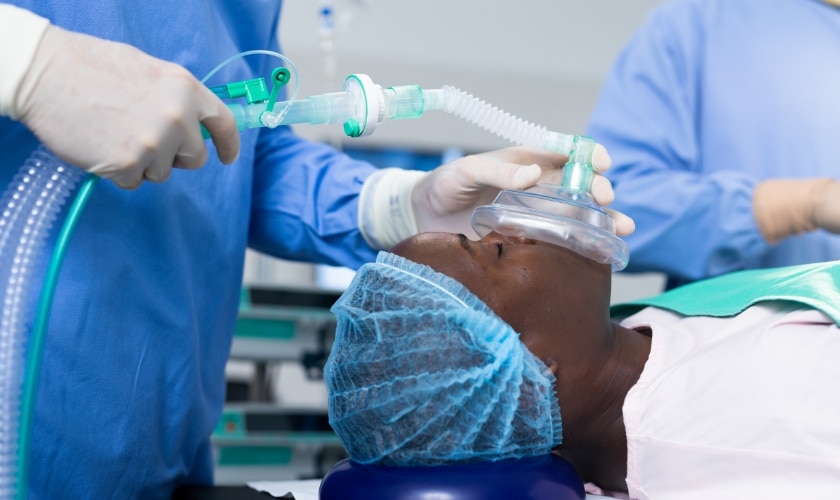
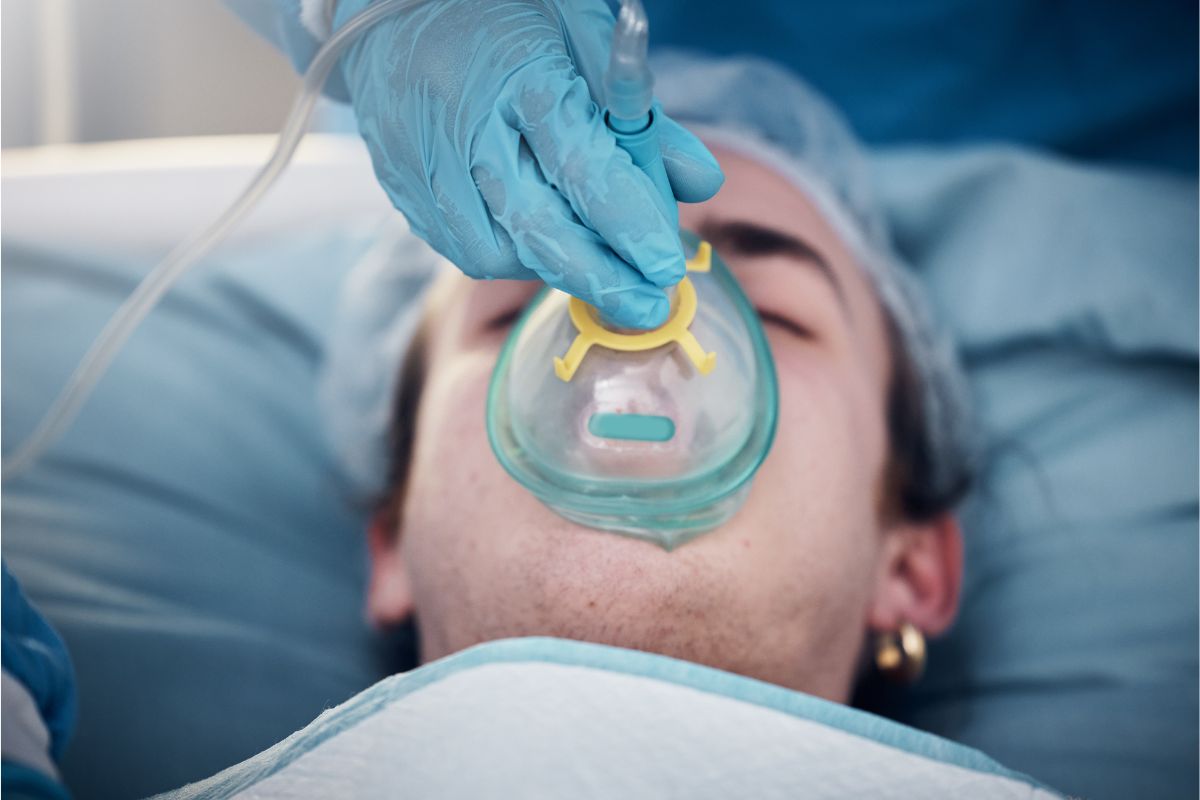
Sedation is used to help patients remain calm, comfortable, and relaxed during dental or medical procedures. It does not always mean being asleep. In many cases, patients stay awake but feel at ease, with reduced awareness of discomfort or anxiety. For seniors, this support can make routine and complex treatments far more manageable.
As the body ages, the way it processes medications changes. Metabolism often slows, circulation patterns shift, and the nervous system becomes more sensitive to external stimuli. These changes mean that medications can have stronger or longer-lasting effects than they would in younger adults. What works well for one patient may need adjustment for another.
This is why sedation dentistry in Joplin must be approached differently for seniors. Dosages are carefully evaluated, timing is closely monitored, and the patient’s overall health is always considered.
Rather than relying on standard protocols, providers focus on personalized planning. This tailored approach allows older adults in Joplin to receive care comfortably while maintaining the highest safety standards throughout the visit.
Common Health Factors That Influence Sedation in Seniors
Several health conditions commonly affect how seniors respond to sedation. Understanding these factors helps providers plan care safely and effectively.
Heart conditions and blood pressure concerns are often top considerations. Sedation can affect heart rate and circulation, so providers monitor cardiovascular health closely before and during treatment.
Diabetes also plays a role. Blood sugar stability matters, especially when appointments require changes to eating schedules. Sedation plans account for glucose management to reduce risks during and after procedures.
Respiratory conditions, including sleep-related breathing issues, influence how the body responds to relaxation medications. Seniors with these concerns may require lighter sedation and enhanced monitoring.
Kidney and liver function naturally change with age. Since these organs process medications, reduced function can slow how drugs leave the body. This makes dosage precision especially important.
Finally, many seniors take multiple medications. Polypharmacy increases the risk of drug interactions, making a complete medication review essential. By carefully evaluating these factors, Joplin Family Dental ensures sedation decisions are guided by clarity, caution, and patient well-being.
Types of Sedation Commonly Used for Older Adults
Sedation options for seniors are selected with comfort and safety in mind. The goal is to reduce stress while maintaining control and awareness.
Minimal sedation often involves relaxation techniques or very mild medication. Patients remain fully awake but feel calmer, making it suitable for shorter or less invasive procedures.
Oral sedation is sometimes recommended when anxiety is higher. Taken before the appointment, it helps patients feel relaxed while still responsive. This option works well when carefully dosed and monitored.
IV sedation may be used for longer or more complex treatments. For seniors, this method requires close supervision, as it allows for precise control of medication levels throughout the procedure.
Across all options, dosage and monitoring are critical. Seniors typically require lower amounts, and vital signs are tracked continuously. This thoughtful approach ensures that sedation dentistry in Joplin supports comfort without compromising safety, allowing older adults to receive care confidently and comfortably.
How Providers Evaluate Sedation Safety for Seniors
Safety evaluation begins long before the appointment. Providers conduct a thorough review of medical history, including chronic conditions, recent surgeries, and current medications. This information helps identify potential risks early.
Vital signs such as blood pressure, heart rate, and oxygen levels are monitored before, during, and after the procedure. Continuous monitoring allows providers to respond immediately to even subtle changes.
When necessary, coordination with primary care physicians ensures that sedation plans align with the patient’s broader health strategy. This collaboration is especially important for seniors managing complex medical conditions.
Most importantly, sedation planning is individualized. There is no one-size-fits-all approach. Each patient’s comfort level, health profile, and treatment needs guide the decision-making process. At Joplin Family Dental, this personalized care model ensures seniors feel heard, respected, and protected throughout their visit.
Benefits of Properly Planned Sedation for Seniors
When sedation is thoughtfully planned, the benefits for seniors are significant. Anxiety and stress are reduced, making appointments more manageable and less intimidating. This calm experience often leads to better cooperation during treatment.
Improved comfort allows procedures to be completed efficiently, reducing the need for multiple visits. For seniors with mobility challenges or busy caregiving schedules, this can be especially valuable.
Well-managed sedation also supports better procedural outcomes. When patients are relaxed, providers can focus fully on precision and care quality.
For longer or more complex visits, enhanced comfort makes a meaningful difference. Seniors can receive necessary treatment without physical or emotional strain. With sedation dentistry tailored to their needs, older adults in Joplin can maintain oral health while preserving dignity, independence, and peace of mind.
Recovery and Aftercare Considerations for Older Adults
Recovery experiences vary, but most seniors return to normal activities within a short period. Mild drowsiness or grogginess may occur, typically resolving within a few hours.
Temporary side effects such as dry mouth, lightheadedness, or fatigue are possible. These effects are usually short-lived and manageable with rest.
Hydration, proper nutrition, and following aftercare instructions support a smoother recovery. Seniors are often advised to arrange transportation and avoid strenuous activity for the remainder of the day.
Providers will clearly explain when to call with concerns, such as prolonged dizziness or unusual symptoms. Clear communication and follow-up help ensure recovery stays on track.
Sedation can be a safe and valuable option for seniors when it is planned with care, knowledge, and respect for individual health needs. Aging should never be a barrier to receiving comfortable, effective treatment.
Open conversations about medical history, medications, and comfort preferences allow providers to create safer experiences. Seniors and caregivers alike benefit from asking questions and staying informed.
At Joplin Family Dental, the focus remains on patient-centered care that values comfort, safety, and dignity. If you or a loved one is considering treatment and wants a calm, supportive approach, scheduling a consultation is the first step toward confident care tailored to every stage of life.
Ask Anything About Sedation Dentistry
1. Can seniors eat before a sedated appointment?
This depends on the sedation type. Providers give specific instructions to reduce risks and ensure safe treatment.
2. How soon can seniors resume normal activities?
Most can resume light activities the next day. Driving and strenuous tasks should be avoided until fully alert.
3. Will sedation interfere with existing medications?
Providers evaluate interactions in advance and may coordinate with primary care physicians to ensure safe compatibility.
4. Is recovery different for seniors than for younger adults?
Recovery may be slightly slower, but with proper planning and rest, most seniors recover smoothly without complications.
5. Do seniors need someone to accompany them?
Yes. It is recommended that a trusted adult provide transportation and stay with the senior after sedation until fully alert.