4402 E 32nd St Suite B, Joplin, MO 64804, United States

Dental Bonding in Duenweg, MO

If you’ve been asking does dental bonding last, you’re not alone. Patients in Duenweg want real answers before committing to a cosmetic procedure. The truth is, longevity depends on several specific factors — and many of them are within your control. Understanding what actually determines your results can help you get the most from your investment.
At Joplin Family Dental, Dr. Grant Kirk helps patients throughout the Duenweg area make informed decisions about Cosmetic Dentistry. This guide breaks down how long bonding realistically lasts, what shortens its lifespan, and how to protect your results long-term.
What Is Dental Bonding and How Long Does It Actually Last?
Dental bonding uses a tooth-colored resin applied directly to your tooth surface. The dentist shapes and hardens it with a curing light. It’s one of the fastest and most affordable cosmetic options available today.
On average, dental bonding lasts between 4 and 10 years. That’s a wide range — and it reflects how much patient habits matter. Some patients need touch-ups after just a few years. Others maintain their bonding for a decade with no issues.
The resin material is durable, but it’s not as strong as porcelain veneers or crowns. It can chip, stain, or wear down over time. Knowing this upfront helps you set realistic expectations.
Key Factors That Determine How Long Your Bonding Results Last in Duenweg
Several factors directly affect how long your bonding holds up. Some are clinical. Many are behavioral. Here’s what matters most:
- Bite pressure: Grinding or clenching teeth puts extra stress on bonded areas
- Location of the bonding: Front teeth used for biting wear faster than back teeth
- Oral hygiene: Poor brushing allows bacteria to weaken the bond over time
- Diet choices: Hard, crunchy, or sticky foods can crack or dislodge the resin
- Staining habits: Coffee, tea, red wine, and tobacco discolor bonding quickly
- Nail biting or chewing objects: These habits chip bonding faster than almost anything else
Dr. Kirk evaluates all of these factors during your consultation. Understanding your specific risks helps you build a realistic maintenance plan from day one.
How Dental Bonding Compares to Other Cosmetic Treatments by Longevity
Bonding isn’t the only cosmetic option. Comparing treatments by durability helps you decide which one fits your goals and lifestyle best.
Teeth Whitening results typically last 6 to 12 months with good habits. Touch-up treatments are simple and affordable. It’s the shortest-lasting cosmetic option but also the least invasive.
Porcelain Veneers last 10 to 20 years in most cases. They resist staining better than bonding resin. However, they require more tooth preparation and a higher upfront commitment.
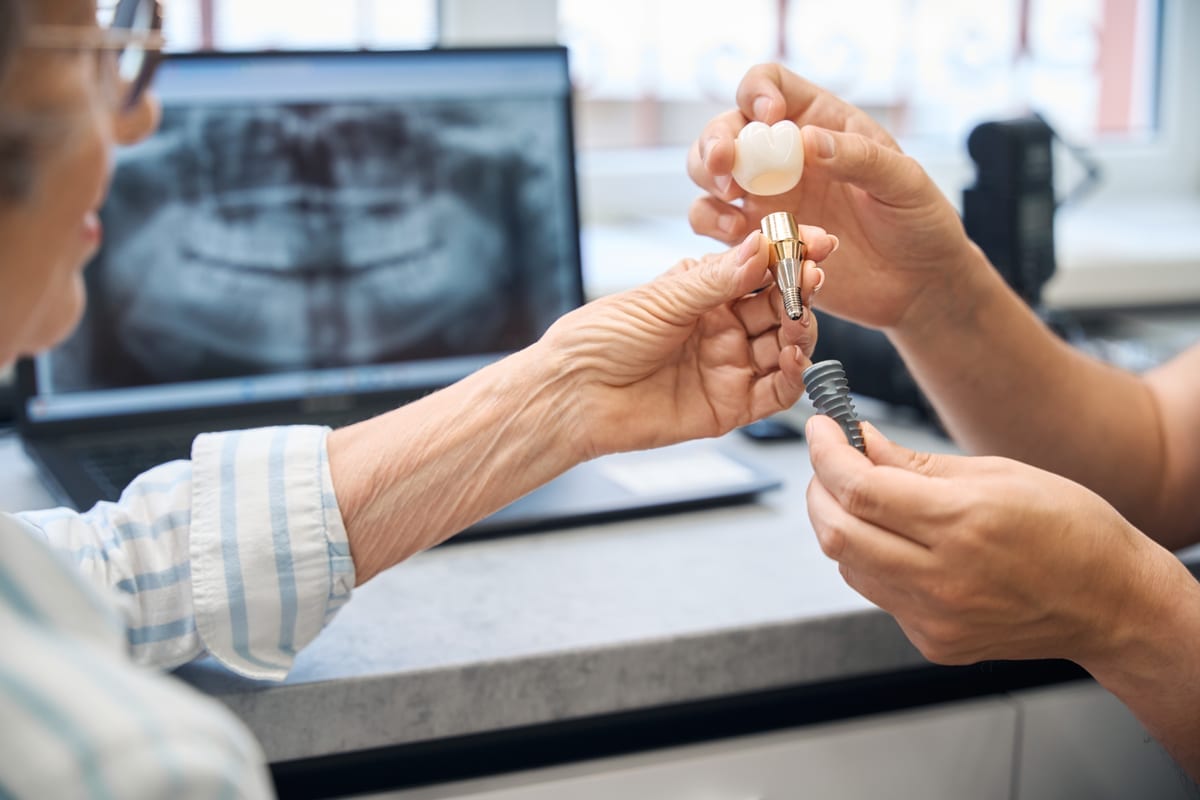
Dental Implants are the most permanent option. With proper care, implants can last a lifetime. They replace missing teeth entirely rather than improving the appearance of existing ones.
- Dental Bonding: 4–10 years, minimal prep, most affordable
- Veneers: 10–20 years, moderate prep, stronger stain resistance
- Implants: Lifetime potential, surgical placement, replaces missing teeth
- Teeth Whitening: 6–12 months, no prep, requires regular maintenance
Bonding is often the right starting point for Duenweg patients who want cosmetic improvement without major commitment. It’s also reversible in most situations, which gives you flexibility.
Patient Habits That Protect — or Destroy — Your Bonding Results
Your daily choices have a bigger impact on bonding longevity than most people realize. Dr. Kirk consistently sees the same patterns in patients who maintain great results versus those who need early repairs.
Brushing twice daily with a soft-bristled toothbrush protects the resin surface. Abrasive toothpastes can scratch and dull bonding over time. Ask your dental team which products work best for bonded teeth specifically.
Avoiding hard foods like ice, hard candy, and tough bread crusts reduces chip risk significantly. Cutting food into smaller pieces also helps protect front-tooth bonding. Small habit changes extend your results by years.
If you grind your teeth at night, a custom night guard is essential. Bruxism is one of the top causes of premature bonding failure. Dr. Kirk can fit you for a guard that protects your bonding while you sleep.
Also important: schedule regular cleanings and checkups every six months. Professional cleanings remove buildup that weakens bonding over time. Your dentist can also catch early signs of wear before they become costly problems.
When to Repair, Replace, or Upgrade Your Bonding
Even well-maintained bonding eventually needs attention. Knowing when to act keeps your smile looking its best without unnecessary delays.
Small chips or rough edges are easy to repair in a single visit. The process is quick and usually painless. Catching these issues early prevents larger damage down the road.
If your bonding stains significantly, professional polishing may restore its appearance. In some cases, replacement is more cost-effective than repeated repairs. Dr. Kirk will give you an honest recommendation based on your specific situation.
Some patients eventually choose to upgrade from bonding to veneers. This is a natural progression for those who want longer-lasting results. The consultation process helps you weigh both options clearly.
After certain dental procedures, such as root canals, cosmetic work may also need to be reconsidered. Reviewing Root Canal Aftercare guidelines ensures you protect all your dental work together.
Making the Right Cosmetic Choice for Your Smile in Duenweg
Dental bonding is one of the most accessible cosmetic treatments available. It delivers real, visible results for patients throughout the Duenweg area. But its longevity depends on the right conditions and consistent care.
Dr. Grant Kirk and the Joplin Family Dental team take time to understand each patient’s goals before recommending any treatment. There’s no one-size-fits-all answer when it comes to cosmetic longevity. Your lifestyle, dental health, and expectations all shape the best path forward.
If you’re ready to explore your options and get a clear picture of what to expect, the team is here to help. Book Now to schedule your appointment with our team.
Frequently Asked Questions
Does dental bonding last as long as veneers?
No, dental bonding typically lasts 4 to 10 years, while porcelain veneers can last 10 to 20 years. Veneers are made from stronger material and resist staining better. However, bonding is less expensive and requires minimal tooth preparation, making it a great starting option for many patients.
What shortens the lifespan of dental bonding the most?
Teeth grinding, biting nails, chewing on hard objects, and consuming staining foods and drinks are the biggest culprits. These habits put repeated stress on the resin and cause premature chipping, cracking, or discoloration. Addressing these habits early can significantly extend your bonding results.
Can dental bonding be touched up instead of fully replaced?
Yes, in many cases small chips or worn areas can be repaired quickly in a single office visit. The dentist adds fresh resin, reshapes it, and cures it in place. Early intervention almost always costs less than a full replacement, so don’t wait if you notice changes.
Is dental bonding a good option for patients in Duenweg with sensitive teeth?
Dental bonding is generally well-tolerated by patients with sensitivity. The procedure requires little to no removal of tooth enamel, which minimizes discomfort. Dr. Kirk will assess your specific situation during a consultation to confirm bonding is the right fit for your dental health.
How often should I see my dentist after getting dental bonding?
You should continue visiting your dentist every six months for routine cleanings and checkups. These visits allow your dental team to monitor the condition of your bonding, polish away surface stains, and catch early signs of wear. Consistent maintenance is one of the best ways to protect your cosmetic investment.