4402 E 32nd St Suite B, Joplin, MO 64804, United States

A Guide To Diet and Nutrition for Denture Wearers

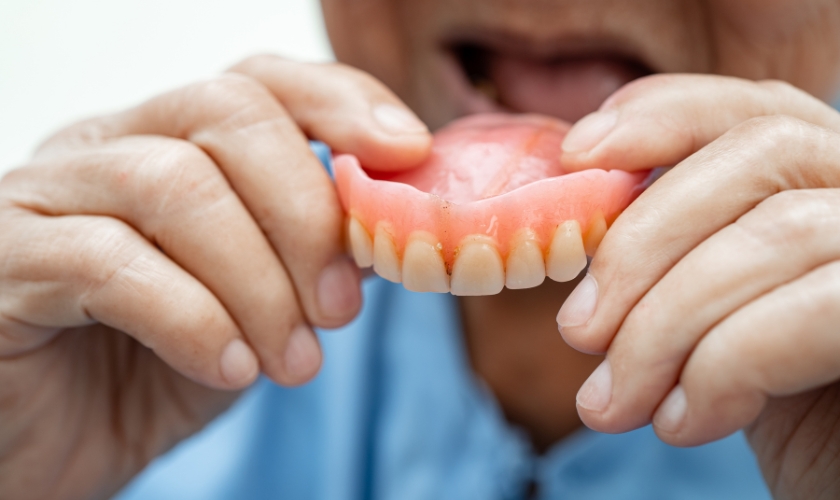
So, you’ve got your new dentures, and you’re ready to flash that confident smile! But then reality kicks in, and you realize that eating with dentures might take some getting used to. Don’t worry, though! This guide is here to help you navigate the world of food with dentures while keeping your nutrition game strong.
Adjusting your diet is totally normal, and with a few tweaks, you’ll be back to enjoying your favorite meals in no time. Let’s dive into what you can eat, what to avoid, and some nutrition hacks to keep you healthy and happy!
The First Few Days: Soft Foods Are Your Buddies
Right after getting your dentures, your gums and jaw are going through an adjustment period. Chewing tough or crunchy foods may feel like a challenge at first. So, for the first few days, you’ll want to stick to soft foods that are gentle on your gums and easy to chew.
Top Picks for Soft Foods:
- Mashed Potatoes: Creamy, delicious, and super easy to eat.
- Scrambled Eggs: Soft, fluffy, and full of protein to keep you energized.
- Smoothies: Pack your smoothies with fruits, veggies, and some yogurt for a nutritious meal.
- Soup: Go for broth-based or creamy soups with soft veggies for a comforting option.
- Oatmeal: A warm, hearty choice that’s both filling and easy to chew.
Don’t worry—you won’t be stuck with soft foods forever. This is just a temporary phase to help your mouth adjust.
Navigating the Food Landscape: What to Eat and What to Avoid?
Once you’re past the initial healing stage, it’s time to expand your food choices. But there are still some foods you’ll want to approach with caution to avoid damaging your dentures or causing discomfort.
Foods to Enjoy:
- Cooked Veggies: Think steamed carrots, zucchini, or mashed cauliflower. These are nutritious and gentle on your dentures.
- Soft Meats: Shredded chicken, tender fish, or ground turkey are great protein sources that won’t stress your dentures.
- Rice, Pasta, and Quinoa: These carbs are easy to chew and provide great energy.
- Dairy: Yogurt, cheese, and soft cheeses like feta or ricotta are rich in calcium and easy to eat.
- Fruit: Opt for soft fruits like bananas, berries, or pears. You can also bake apples or peaches to soften them up.
Foods to Avoid (for Now):
- Hard Nuts and Seeds: These can be tricky to chew and might get stuck under your dentures.
- Crunchy Raw Veggies: Carrots, celery, and raw corn can be tough on your dentures. Cook them to make them softer.
- Chewy Candies and Gums: These can stick to your dentures and pull them loose.
- Popcorn: Those little kernels are notorious for getting stuck under dentures.
- Steak and Tough Meats: While meat is great for protein, tough cuts can be challenging to chew with dentures. Opt for tender options or finely shred your meat.
Nutrition Hacks for Denture Wearers: Stay Healthy, Stay Strong
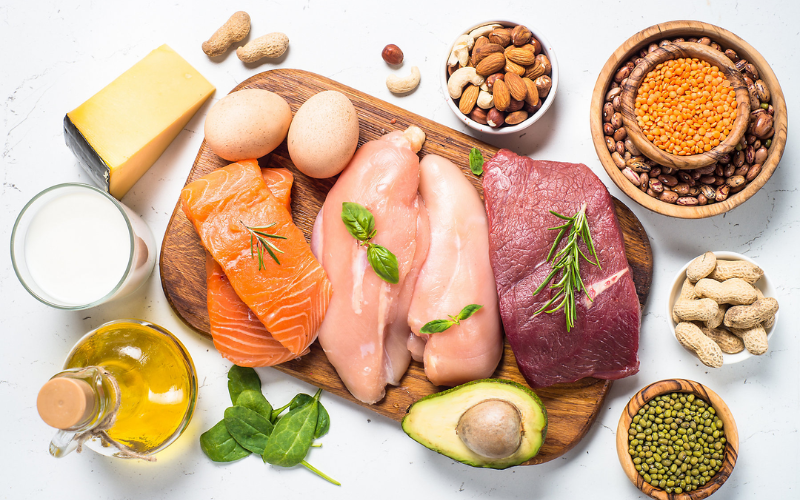
Maintaining a balanced diet with dentures is essential to keeping your body fueled and your overall health in check. Denture wearers might struggle with certain textures or temperatures, but that doesn’t mean you have to compromise on your nutrition. Here are some easy ways to stay healthy.
Boost Your Protein:
Protein is key for muscle health, and it’s especially important as you adjust to your dentures. Make sure you’re getting enough through softer, easy-to-eat sources:
- Scrambled or poached eggs
- Yogurt (Greek yogurt for an extra protein punch)
- Smooth peanut butter
- Soft fish like salmon or tilapia
- Tofu: A fantastic plant-based protein that’s easy to prepare.
Get Your Fiber:
Fiber is essential for digestion, but chomping on raw veggies or tough whole grains can be tough with dentures. Don’t skip your fiber! Instead, try these denture-friendly alternatives:
- Cooked oats: Add fruit or honey for flavor.
- Stewed fruits: Apples, pears, and prunes all soften up beautifully when stewed.
- Avocados: Creamy and packed with fiber, this fruit is a denture-wearer’s dream.
- Soft whole grains: Quinoa, barley, or couscous are all fiber-rich and easy to chew.
Stay Hydrated:
When you wear dentures, your mouth might not produce as much saliva as it used to, which can lead to a dry mouth. Staying hydrated is crucial, and it also helps you chew and swallow more easily.
- Drink plenty of water throughout the day.
- Snack on water-rich foods like watermelon, cucumbers, and oranges.
Meal Prep Tips for Denture Wearers
Feeling a little unsure about how to cook with your new dietary needs? Here are some meal prep tips that can make your life a whole lot easier.
Blend It Up
A blender can become your best friend. Use it to make smoothies, soups, and sauces packed with nutrients. The beauty of a blender is that you can mix all sorts of ingredients, from leafy greens to nuts (just make sure they’re ground up), and still get a balanced meal.
Cut Your Food into Smaller Pieces
Even after you’ve fully adjusted to your dentures, cutting your food into smaller, bite-sized pieces can make eating easier and more enjoyable. Plus, it helps prevent any unnecessary stress on your dentures.
Embrace the Slow Cooker
A slow cooker is a game-changer for denture wearers. It can take tough meats and veggies and turn them into soft, tender meals. Think of hearty stews, shredded chicken, and flavorful soups that are easy to eat but still packed with flavor.
Enjoying Your Favorite Foods Again
You don’t have to say goodbye to your favorite foods forever. It’s all about adapting. If you’re craving something crunchy like chips, try baking kale chips instead—crispy and easy on your dentures. Love fruit but worried about the tough skins? Try canned fruits or blend them into smoothies.
By taking small steps and giving your body time to adjust, you’ll be able to get back to enjoying a wide variety of foods. Be patient, and don’t rush the process!
How to Protect Your Dentures While Eating?
Eating with dentures doesn’t just mean adjusting your diet—it also means learning how to take care of your dentures to keep them in top shape.
- Chew on Both Sides: This distributes the pressure more evenly, keeping your dentures stable and comfortable.
- Avoid Sticky Foods: Anything sticky can pull your dentures out of place.
- Take Smaller Bites: This helps you control the chewing process and keeps your dentures from shifting.
- Rinse Your Mouth After Eating: This will help remove any food particles and prevent infections or irritation.
By following these tips, you’ll extend the life of your dentures and ensure your eating experience is as comfortable as possible.
Eating with dentures might take some getting used to, but with a few adjustments and the right approach, you’ll be back to enjoying meals in no time. From choosing softer foods to staying hydrated and keeping your dentures in top shape, there are plenty of ways to make sure your diet stays balanced and delicious.
So go ahead—experiment with new recipes, blend up some nutrient-packed smoothies, and embrace your denture-friendly diet! You’ve got this.