4402 E 32nd St Suite B, Joplin, MO 64804, United States

Dental Veneers Cost & Longevity in Joplin, MO
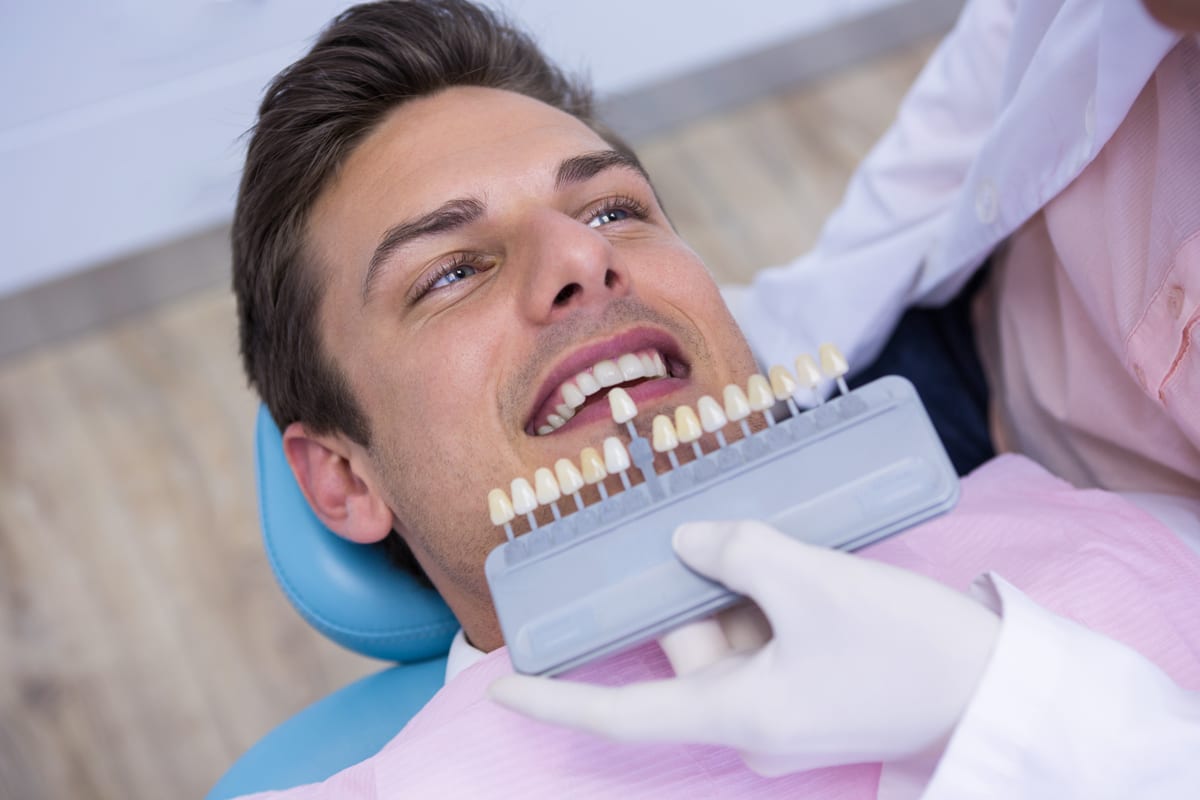
If you’ve ever wondered whether dental veneers are worth the investment, you’re not alone. Many patients in Joplin, MO ask Dr. Grant Kirk this exact question. Are dental veneers worth it? Breaking down cost per year in Joplin helps put the numbers in real perspective. When you understand what drives the price — and how long veneers actually last — the math often surprises people in a good way.
What Are Dental Veneers and Why Do People Choose Them?
Dental veneers are thin shells of porcelain or composite resin. They bond directly to the front surface of your teeth. Veneers can correct chips, stains, gaps, and uneven shapes in one streamlined treatment.
At Joplin Family Dental, veneers fall under the broader umbrella of Cosmetic Dentistry — treatments designed to improve the appearance of your smile. Patients choose veneers because they deliver dramatic, long-lasting results. They also look incredibly natural once placed correctly.
Veneers are not just a cosmetic luxury. For many patients, they restore confidence that affects daily life. Smiling freely at work, in photos, and with family matters more than most people admit out loud.
What Drives the Cost of Veneers in Joplin?
Veneer pricing isn’t random — several clear factors influence the final number. Understanding these factors helps you make a well-informed decision. It also helps you compare quotes fairly if you shop around.
Here are the main cost drivers for dental veneers:
- Material type: Porcelain veneers cost more than composite resin veneers. Porcelain lasts longer and looks more lifelike.
- Number of teeth treated: Single-tooth veneers cost less than a full smile makeover across 8–10 teeth.
- Lab fees: Porcelain veneers are custom-crafted by a dental lab. That craftsmanship adds to the cost.
- Prep work needed: Some teeth require minor reshaping or treatment before veneers can be placed.
- Provider experience: A skilled cosmetic dentist charges more — and delivers better long-term results.
In Joplin, porcelain veneers typically range from $900 to $2,500 per tooth. Composite veneers run lower, often between $250 and $1,500 per tooth. These are general estimates — your specific treatment plan will determine the exact investment.
How Long Do Dental Veneers Actually Last?
This is where the cost conversation gets really interesting. Longevity changes everything about how you evaluate value. A higher upfront cost often means a much lower annual cost over time.
Porcelain veneers, when properly cared for, typically last 10 to 20 years. Some patients keep them for even longer with excellent oral hygiene habits. Composite veneers usually last 5 to 7 years before they need repair or replacement.
Let’s break that down with a simple example. A single porcelain veneer at $1,500 lasting 15 years costs you $100 per year. That’s less than $9 per month for a transformed smile. Suddenly the investment looks very different.
Of course, longevity depends heavily on how you care for your veneers. Habits that shorten veneer lifespan include:
- Grinding or clenching your teeth at night
- Biting your nails or chewing on pens
- Eating very hard foods repeatedly
- Skipping regular dental cleanings and checkups
- Using your teeth as tools to open packages
Dr. Kirk often recommends a custom nightguard for patients who grind. This simple step can add years to your veneers — and protect your natural teeth as well.
Breaking Down the Real Cost Per Year in Joplin
Let’s put real numbers to the question — are dental veneers worth it? Breaking down cost per year in Joplin makes the value much clearer. Most patients treat six to eight front teeth for a complete smile transformation.
Here’s a realistic scenario. Treating six teeth with porcelain veneers at $1,500 each totals $9,000. Over a 15-year lifespan, that’s $600 per year — or just $50 per month. Many patients spend more than that on coffee alone.
Composite veneers offer a lower entry point. Six composite veneers at $800 each totals $4,800. But if they last only six years, that’s $800 per year. You may end up spending more over time compared to porcelain.
This is why Dr. Kirk walks every patient through both options before making a recommendation. The right choice depends on your goals, your budget, and your lifestyle. There is no one-size-fits-all answer — but the math usually points toward porcelain for patients who want lasting value.
How to Get the Most Out of Your Veneer Investment
Getting veneers placed is just the beginning. Protecting that investment over the long term takes consistent habits. The good news is that caring for veneers isn’t complicated.
Here’s what Dr. Kirk recommends for veneer longevity:
- Brush twice daily with a non-abrasive toothpaste
- Floss every day to keep gum tissue healthy around veneers
- Visit Joplin Family Dental for regular cleanings and exams
- Wear a nightguard if you grind your teeth
- Avoid staining beverages like coffee, tea, and red wine in excess
It’s also worth noting that veneers can chip if impacted by force. If you play contact sports, a mouthguard is a smart investment. Think of it as protecting your smile the same way athletes protect their joints.
One thing patients often ask about is tooth sensitivity after placement. Some patients experience mild sensitivity for a few days or weeks. This is normal and usually fades quickly. If you have concerns about discomfort, our team can discuss Root Canal Aftercare tips that also apply to post-procedure tooth sensitivity management.
The key takeaway is simple. Veneers reward patients who take care of them. A small daily investment in your oral hygiene routine protects a significant financial investment in your smile.
Is the Investment Right for You?
Not every patient needs veneers — and a trustworthy dentist will tell you that honestly. Sometimes teeth whitening or dental bonding solves the problem at a fraction of the cost. Dr. Kirk always recommends the most conservative effective treatment for each patient’s situation.
However, if you have multiple cosmetic concerns — staining, chips, gaps, and shape issues — veneers solve them all at once. That efficiency has real value. You avoid multiple separate treatments and get one cohesive result.
Patients in Joplin who feel self-conscious about their smiles often tell us that veneers changed their lives. That’s not marketing — it’s what we hear in our chairs every week. A confident smile affects how you present yourself professionally and personally.
If you’re ready to explore whether veneers make sense for your smile and your budget, our team is here to help. Book Now to schedule your appointment with our team.
Frequently Asked Questions
Are dental veneers worth it for just one or two teeth?
Yes, veneers can absolutely be worth it for one or two teeth. They work well for chipped, stained, or misshapen individual teeth. Dr. Kirk will help you decide if veneers or a simpler option like bonding makes more sense for your specific case.
How much do veneers cost per tooth in Joplin, MO?
In Joplin, porcelain veneers generally range from $900 to $2,500 per tooth. Composite veneers typically cost between $250 and $1,500 per tooth. Your final cost depends on the number of teeth treated, the material chosen, and any preparatory work needed.
Can veneers be replaced if they chip or wear out?
Yes, veneers can be replaced when they reach the end of their lifespan. Individual veneers can also be repaired or replaced if they chip before then. Replacement costs are similar to the original placement cost, which is why choosing a durable material upfront matters.
Do veneers look natural?
Porcelain veneers look extremely natural because the material reflects light similarly to real tooth enamel. Dr. Kirk customizes the shade and shape to match your facial features and natural teeth. Most people won’t know you have veneers unless you tell them.
How long does the veneer placement process take at Joplin Family Dental?
The veneer process typically requires two to three appointments. The first visit involves a consultation and tooth preparation. The second visit is for placement once your custom veneers arrive from the dental lab. Some patients also have a follow-up to ensure everything feels comfortable.