4402 E 32nd St Suite B, Joplin, MO 64804, United States

How Can You Floss Your Dental Implants?
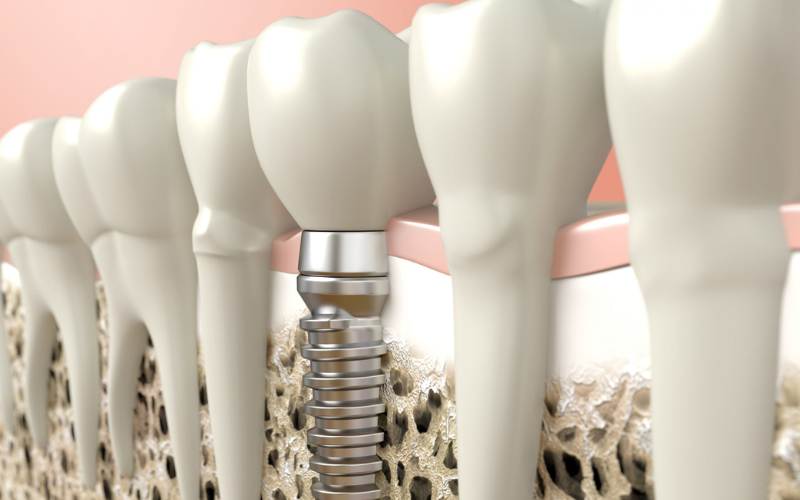
Dental implants offer strength, functionality, and a natural appearance, making them a great long-term alternative for lost teeth. But that doesn’t imply they don’t require care—just because they’re artificial.
Flossing is one of the most neglected aspects of implant care. Plaque can grow around implants if they are not cleaned properly, which eventually can lead to gum infections and possibly implant failure. Yes, research indicates that inadequate oral hygiene is responsible for more than half of implant failures.
What is the proper flossing technique for dental implants? Let’s have a look at the specifics.
Importance of Flossing Your Dental Implants
The gums and surrounding tissues are susceptible to infection and inflammation even if implants are impervious to cavities. Flossing correctly helps in:
- Erasing germs and stuck food particles.
- Preventing gum disease and plaque growth.
- Preserving the durability of your implants.
- Maintaining a fresh breath.
The Appropriate Method for Cleaning Dental Implants
Not every flossing method is suitable for dental implants. To keep them healthy and clean, do the following:
1. Select the Proper Floss Type
- Soft, thick floss made specifically to be gentle to your implants is known as implant-specific floss.
- Super Floss has a spongy center for cleaning and a firm end for threading.
- A water flosser cleans the area around implants by using a stream of water under pressure.
- Unwaxed dental floss is less likely to tear and cause gum irritation.
2. Flossing In Detail
- Step 1: Carefully place the floss between the adjacent tooth and the implant.
- Step 2: Encircle the implant with the floss in a C shape.
- Step 3: Make sure the floss reaches just below the gum line by moving it up and down.
- Step 4: To avoid irritating your gums, do not snap or force the floss.
- Step 5: Carry out the same procedure for every implant and tooth.
3. Water Flossers: A Game-Changer for Implant Care
If traditional flossing feels difficult, try a water flosser. It’s an effective alternative that removes debris without irritating your gums, promoting oral health naturally. Simply aim the nozzle at the implant and let the pressurized water do the work.
Extra Tips to Keep Your Implants in Top Shape
- Brush Twice Daily – Use a soft-bristled toothbrush and non-abrasive toothpaste.
- Use an Antimicrobial Mouthwash – Helps reduce bacteria around the implants.
- Schedule Regular Checkups – A dentist can detect early signs of gum issues.
- Avoid Smoking – Smoking increases the risk of implant failure.
A Few Minutes of Flossing = A Lifetime of Healthy Implants
Flossing may seem like a small step, but it plays a huge role in maintaining the health of your dental implants. By using the right tools and techniques, you can extend the life of your implants and keep your smile in top shape.
Don’t let poor hygiene put your investment at risk! Start flossing properly today, and schedule regular dental checkups to keep your implants—and your smile—healthy.
Would you like personalized advice on your implant care? Book a consultation with our dentist now!