4402 E 32nd St Suite B, Joplin, MO 64804, United States

Things To Avoid After Tooth Extraction
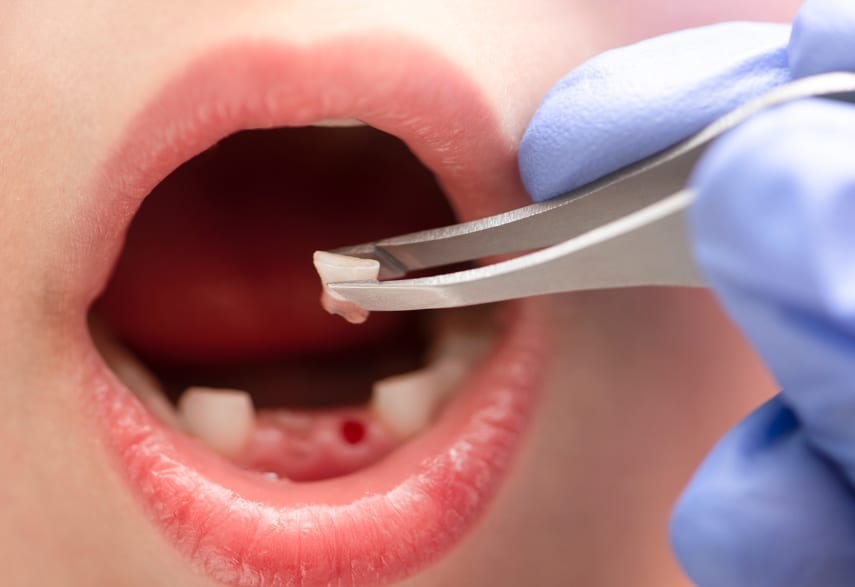
We are here to present you with some important information, regardless of whether you have had a tooth extracted recently or are considering getting one soon. A frequent dental treatment is tooth extraction, which entails removing a tooth from its bone socket. Even though it can sound frightening, rest assured that dental improvements have made this procedure simpler and more comfortable than in the past. This article will review several crucial things to avoid to ensure a successful and painless recovery following tooth extraction. Now, let’s learn what to do—and what not to do—after your tooth extraction.
Immediate Post-Extraction Care
After the treatment, the dental experts will provide you with precise recommendations. Please pay close attention and follow these suggestions because they are suited to your specific scenario. Typical instructions include:
Avoid Vigorous Rinsing and Spitting: Avoid vigorous rinsing or spitting for the first 24 hours. This can dislodge the blood clot, which is necessary for healing.
Apply Gauze Pads: Apply a sterile gauze pad to the extraction site and gently bite down. This aids in the management of bleeding and the development of clots.
Follow Your Dentist’s Prescription: Your dentist may prescribe pain relievers or antibiotics. Taking them exactly as advised is critical to manage pain and prevent infection.
Diet and Nutrition
After tooth extraction, it’s essential to make wise dietary choices to ensure a comfortable recovery. Here are some dietary considerations:
Soft and Easy-to-Eat Foods: Stick to a soft diet in the first few days. Foods like yogurt, mashed potatoes, and applesauce are gentle on your healing gums.
Avoid Hot, Spicy, and Crunchy Foods: Avoid hot beverages, spicy foods, and hard, crunchy snacks. These can irritate the extraction site and slow down the healing process.
Stay Hydrated: Drink plenty of water to prevent dehydration. Dehydration can hinder the healing process, so ensure you get enough fluids.
Limit Alcohol and Caffeine: Alcohol and caffeine can interfere with healing. Avoid them, or at least consume them in moderation.
Oral Hygiene
Maintaining good oral hygiene is crucial after tooth extraction. Here’s how to do it safely:
Gentle Brushing and Flossing: Continue to brush your teeth, but be very gentle around the extraction site. Avoid the area directly for the first few days.
Avoiding the Extraction Site: Do not directly brush or floss the extraction area for at least a few days. Your dentist will instruct you when it’s safe to resume regular oral hygiene.
Use Prescribed Mouthwash: Use it as directed if your dentist prescribes a specific mouthwash. This can help prevent infection and keep your mouth clean.
Oral Hygiene After Healing: Once you’ve healed, continue your normal oral hygiene routine, but be cautious around the healing gum tissue.
Physical Activity and Rest
Your body needs time to heal after a tooth extraction, so it’s important to take it easy:
Limit Strenuous Physical Activities: Avoid heavy lifting, intense exercise, or any activities that could raise your blood pressure during the first few days.
Avoid Activities That Can Dislodge the Blood Clot: Anything that might disrupt the blood clot formation in the extraction site should be avoided. This includes not using straws or smoking.
Importance of Rest: Get ample rest during the initial recovery period. This will help your body divert its energy toward healing.
Tobacco and Alcohol
Two substances that can significantly impede the healing process are tobacco and alcohol:
Negative Effects of Smoking After Extraction: Smoking can delay healing and increase the risk of complications, such as dry sockets. It’s advised to avoid smoking for at least a few days, and ideally longer.
The Impact of Alcohol on Healing: Alcohol can interfere with blood clot formation, vital for healing. It’s best to abstain from alcohol during your recovery period.
Medication and Pain Management
Your dentist may prescribe medications to manage pain and prevent infection:
Follow Your Dentist’s Pain Relief Recommendations: Take the prescribed pain medications as directed to manage discomfort effectively.
The Importance of Not Exceeding Prescribed Doses: Do not exceed the recommended dosage of your medications. Overdoing it can lead to unwanted side effects.
Over-the-counter Medication Considerations: If your dentist recommends over-the-counter pain relievers, use them according to their instructions. Avoid any medications that can thin your blood, as they may increase the risk of bleeding.
Signs of Complications
It’s essential to recognize potential complications and seek prompt treatment if they arise:
Recognizing Signs of Infection: Watch for signs of infection, such as persistent swelling, pain, redness, or fever. If you suspect an infection, contact your dentist immediately.
Identifying Dry Socket Symptoms: A dry socket is a painful condition that can occur when the blood clot is dislodged or dissolves prematurely. Symptoms include intense pain, bad breath, and an unpleasant taste. If you suspect a dry socket, contact your dentist for treatment.
When to Contact Your Dentist: If you experience any unexpected or severe symptoms, don’t hesitate to contact your dentist. Early intervention can prevent more significant problems.
Follow-Up Appointments
After your tooth extraction, you’ll likely have follow-up appointments with your dentist:
Importance of Attending Post-Extraction Check-Ups: These appointments are crucial to monitor your healing progress and address any concerns or questions.
Monitoring Healing Progress: Your dentist will assess your healing and make any necessary adjustments to your treatment plan during these visits.
Addressing Concerns or Questions: If you have any doubts or issues during your recovery, your follow-up appointments are the perfect time to discuss them with your dentist.
Following a tooth extraction, it is critical to properly care for the damaged area to aid healing and avoid complications. Avoiding certain meals and activities can help a lot with this. Smoking, hard or sticky foods, and vigorous physical activity should be avoided to promote pain-free recuperation. Following any post-operative recommendations your dentist provides is also suggested for best results. Remember to prioritize your oral health following tooth extraction and to seek professional help if you suffer any troubling symptoms during the healing period.