4402 E 32nd St Suite B, Joplin, MO 64804, United States

Veneers vs. Bonding in Joplin, MO
If you’ve been researching Cosmetic Dentistry options, you’ve probably landed on two popular choices: veneers and dental bonding. Both treatments can dramatically improve your smile. But when it comes to veneers vs. bonding and which cosmetic fix actually lasts longer in Joplin, the answer depends on several key factors. Understanding those factors helps you make a confident, informed decision.
What Are Veneers and Dental Bonding?
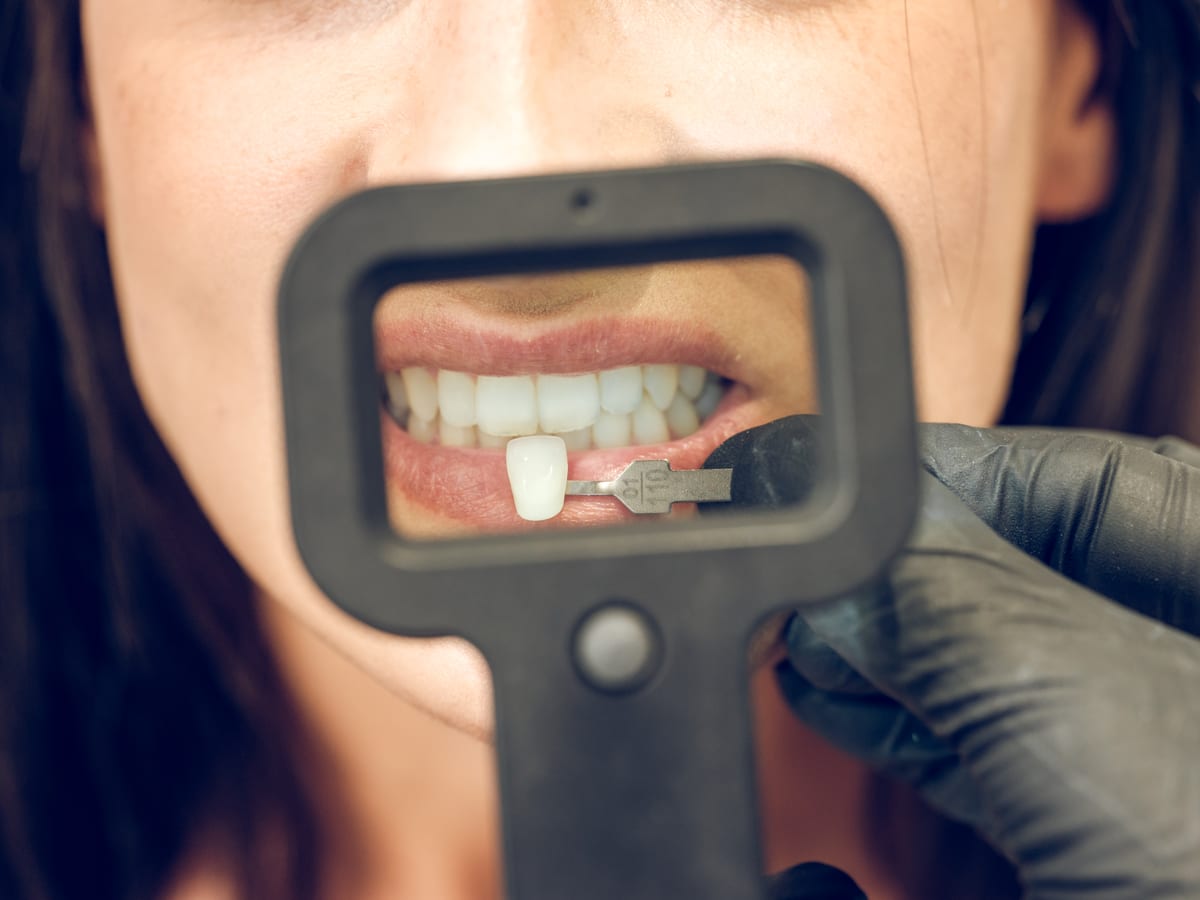
Veneers are thin shells of porcelain or composite material. They bond permanently to the front surface of your teeth. Porcelain veneers are custom-made in a dental lab and require some enamel removal before placement. They’re designed to look completely natural and blend seamlessly with surrounding teeth.
Dental bonding uses a tooth-colored composite resin. Dr. Grant Kirk applies it directly to the tooth surface, shapes it, and hardens it with a curing light. It’s a more straightforward process that usually takes just one visit. Bonding works well for minor chips, gaps, and discoloration.
Both treatments fall under the cosmetic dentistry umbrella. Both can fix similar concerns. But they differ significantly in terms of durability, cost, and how much tooth structure they affect.
Veneers vs. Bonding: Longevity and Durability Compared in Joplin
This is the heart of the comparison. Porcelain veneers typically last 10 to 20 years with proper care. They resist staining better than natural enamel. Porcelain is also harder and less prone to chipping under normal use.
Dental bonding, by comparison, usually lasts 5 to 10 years. The composite resin is more susceptible to staining from coffee, tea, and wine. It can also chip more easily if you bite into hard foods or grind your teeth at night.
Here’s a quick breakdown of how the two compare on key factors:
- Veneers lifespan: 10–20 years on average
- Bonding lifespan: 5–10 years on average
- Stain resistance: Veneers are much more resistant
- Chip resistance: Veneers hold up better long-term
- Reversibility: Bonding is reversible; veneers are not
So if longevity is your top priority, veneers typically win. But that doesn’t automatically make them the right choice for every patient in Joplin.
Cost and Invasiveness: What to Expect With Each Option
Cost is a major factor for most patients. Dental bonding is the more affordable option in nearly every case. It requires fewer visits, no lab fees, and less chair time. That makes it accessible for patients who want a quick cosmetic improvement without a large upfront investment.
Veneers cost more because of the materials and the lab work involved. Porcelain veneers require at least two visits. The first visit involves removing a thin layer of enamel to prepare the tooth. That step is permanent, which means veneers are a lifelong commitment for that tooth.
Bonding requires little to no enamel removal. Dr. Grant Kirk can often complete bonding in a single appointment. That lower invasiveness makes it a great option for younger patients or those with minor cosmetic concerns who aren’t ready for a permanent change.
Key differences in terms of process and commitment:
- Visits needed: Bonding takes 1 visit; veneers typically take 2 or more
- Enamel removal: Minimal with bonding; necessary with porcelain veneers
- Reversibility: Bonding can be removed or replaced; veneers cannot
- Lab involvement: None for bonding; required for porcelain veneers
Which Treatment Is Right for Your Smile Goal?
The best choice depends on what specifically bothers you about your smile. Bonding works beautifully for small chips, minor gaps, or slight discoloration on one or two teeth. If your concern is isolated and minor, bonding is often the smarter starting point.
Veneers make more sense for patients who want a complete smile transformation. They work best for multiple teeth with significant staining, uneven shapes, or wear. If you’ve tried whitening without success, veneers can deliver the bright, uniform look that bleaching can’t achieve.
Patients with bruxism (teeth grinding) should approach both options carefully. Grinding wears down bonding faster and can crack veneers. Dr. Grant Kirk may recommend a nightguard to protect your investment in either case. It’s also worth noting that some patients who’ve recently had Root Canal Aftercare may need to discuss timing before moving forward with cosmetic work on treated teeth.
Your unique dental health also matters. Cavities, gum disease, or significant enamel erosion should be addressed before any cosmetic treatment. Dr. Kirk always evaluates your overall oral health before recommending a cosmetic path forward.
How Dr. Grant Kirk Approaches Cosmetic Cases in Joplin
At Joplin Family Dental, Dr. Grant Kirk takes a patient-first, education-focused approach. He won’t recommend veneers just because they cost more. He looks at your smile goals, your budget, and the condition of your teeth before suggesting anything.
For patients who are uncertain, he often recommends starting with bonding. It’s lower risk, lower cost, and reversible. You can always upgrade to veneers later if you want a more permanent result. That flexibility gives Joplin patients more control over their smile journey.
Dr. Kirk also factors in your lifestyle. If you drink a lot of dark beverages or have habits that put extra stress on your teeth, that affects which option makes sense for you long-term. Honest, personalized guidance is a core part of every cosmetic consultation at Joplin Family Dental.
Making Your Decision: A Simple Summary
Still not sure which option fits your situation? Here’s a simplified guide to help you think it through before your appointment.
Choose dental bonding if you:
- Have minor chips, gaps, or slight discoloration
- Prefer a lower-cost, reversible option
- Want results in a single visit
- Are not ready for a permanent commitment
Choose veneers if you:
- Want a long-lasting, dramatic smile transformation
- Have multiple teeth with significant cosmetic issues
- Are comfortable with a permanent, multi-visit process
- Prioritize stain resistance and durability
Both options can produce stunning results in skilled hands. The right choice is the one that fits your specific goals, timeline, and dental health. A consultation with Dr. Kirk is the best first step to figuring out which path is right for you.
At Joplin Family Dental, we help patients across Joplin, MO make confident cosmetic decisions every day. Whether you’re leaning toward bonding or veneers, Dr. Grant Kirk will walk you through every detail so you know exactly what to expect. Book Now to schedule your appointment with our team.
Frequently Asked Questions
How long do veneers actually last compared to bonding?
Porcelain veneers typically last 10 to 20 years with proper care. Dental bonding usually lasts 5 to 10 years before it may need touch-ups or replacement. Veneers offer longer durability, but bonding is easier to repair when it does wear down.
Is dental bonding a good option for Joplin patients on a budget?
Yes. Dental bonding is one of the most affordable cosmetic treatments available. It requires fewer visits and no lab fees, which keeps the overall cost lower. It’s an excellent option for patients who want visible improvement without a large financial commitment.
Can I get veneers if I grind my teeth?
Teeth grinding (bruxism) can shorten the lifespan of both veneers and bonding. Dr. Grant Kirk may recommend treating the grinding first or wearing a custom nightguard after your cosmetic work. This protects your investment and helps the results last longer.
Does getting veneers hurt?
The veneer process involves removing a small amount of enamel, which is done under local anesthesia. Most patients experience little to no discomfort during the procedure. Some mild sensitivity is possible afterward, but it typically fades within a few days.
Can dental bonding fix the same problems as veneers?
Bonding and veneers can both fix chips, gaps, discoloration, and minor shape irregularities. Bonding works best for isolated, minor concerns. Veneers are better suited for multiple teeth or more significant cosmetic issues where long-term durability and stain resistance are priorities.