4402 E 32nd St Suite B, Joplin, MO 64804, United States

How To Care For Your Teeth At Home After Dental Implant Surgery
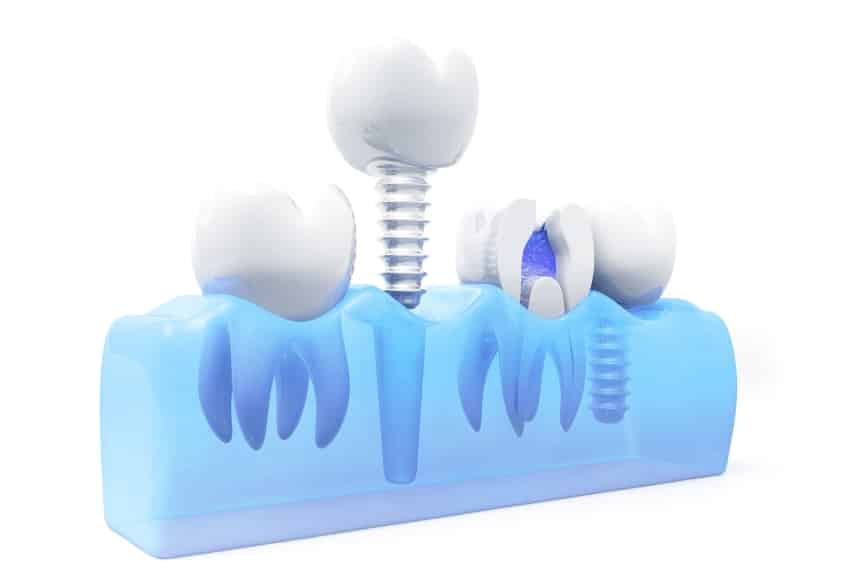
Are you ready to unleash your perfect smile after dental implant surgery? Congratulations on taking this life-changing step towards a healthier and more confident you! But hold on, your journey doesn’t end in the dentist’s chair. To ensure long-lasting success for your new pearly whites, it’s crucial to know how to care for them at home. In this blog post, we’ll guide you through the essential tips and tricks that will keep your teeth shining bright like diamonds. Get ready to embrace a lifetime of oral health as we dive into post-implant surgical care – because your smile deserves nothing less than perfection!
Immediate Post-Surgery Care
Immediate care is essential to ensure a smooth recovery after dental implant surgery:
Managing Pain and Swelling: Your dentist may prescribe pain medications or recommend over-the-counter pain relief options. Applying a cold pack to the outside of your cheek can help reduce swelling.
Guidelines for Eating and Drinking: Stick to soft foods for the first few days after surgery. Opt for cool or lukewarm foods and avoid hot or spicy items. It’s important to stay hydrated, but avoid using straws, as the suction can disrupt the healing process.
Avoiding Strenuous Activities: Rest and relaxation are crucial during the initial recovery phase. Avoid strenuous physical activities, as they can lead to increased swelling and potential complications.
Oral Hygiene Instructions
Proper oral hygiene is vital for maintaining the health of your dental implants:
Brushing Techniques for the Implant Area: Gently brush the implant area using a soft-bristle toothbrush. Be mindful not to apply too much pressure, which can irritate the surgical site. It’s essential to maintain your regular brushing routine for the rest of your mouth.
Using a Mouth Rinse or Antiseptic Solution: Your dentist may recommend an antimicrobial mouth rinse or antiseptic solution to keep the surgical area clean and bacteria-free. Follow their instructions carefully.
Tips for Flossing Around the Implant: Flossing around the implant can be tricky. Your dentist may provide specialized floss or brushes for this purpose. Ensure you clean gently to avoid irritating the area.
Dietary Recommendations
What you eat plays a significant role in your recovery:
Soft Food Options for the First Few Days: Stick to soft foods like yogurt, mashed potatoes, and pureed soups immediately after surgery. These foods are easier on your healing gums and implants.
Gradually Reintroducing Harder Foods: As you heal, you can gradually reintroduce harder foods into your diet. Be cautious and ensure you’re comfortable chewing.
Foods and Drinks to Avoid for Optimal Healing: Avoid hot, spicy, and acidic foods, as they can cause discomfort. Also, avoid alcohol and tobacco, as they can hinder the healing process.
Managing Discomfort and Complications
Be prepared to address discomfort and potential issues:
Over-the-counter Pain Relief Options: Over-the-counter pain relievers can help manage discomfort. Follow the recommended dosage, and avoid aspirin if it can cause bleeding.
Dealing with Potential Bleeding or Infection Signs: If you experience persistent bleeding, signs of infection, or any concerning symptoms, contact your dentist promptly. Early intervention is crucial.
When to Contact Your Dentist for Further Assistance: Don’t hesitate to contact your dentist if you have any questions or concerns during your recovery. They are there to support you throughout the healing process.
Long-Term Maintenance
Long-term maintenance is key to ensuring the lasting success of your dental implants:
Regular Dental Check-Ups and Cleanings: Schedule regular check-ups and cleanings with your dentist to monitor the health of your implants and overall oral health.
Importance of Proper Oral Hygiene Routine: Continue to follow a rigorous oral hygiene routine that includes brushing, flossing, and mouthwash. Your dental professional can guide the best practices for your specific case.
Protecting Your Implants from Damage: Avoid nail-biting or using your teeth to open packages, as they can damage your implants. Protect your investment with mindful oral care.
Caring for your teeth at home after dental implant surgery is essential for the success and longevity of your implants. Immediate post-surgery care, diligent oral hygiene, dietary choices, and prompt attention to discomfort or complications are vital. Additionally, long-term maintenance, including regular dental check-ups and proper oral hygiene, is crucial for preserving your smile.
We encourage you to prioritize dental implant aftercare and contact your dentist if you have any questions or concerns during your recovery. With the right care and guidance, your dental implants will continue to shine brightly for years.