4402 E 32nd St Suite B, Joplin, MO 64804, United States

Conquering Dentures: Your Guide to Adjustment & Confidence
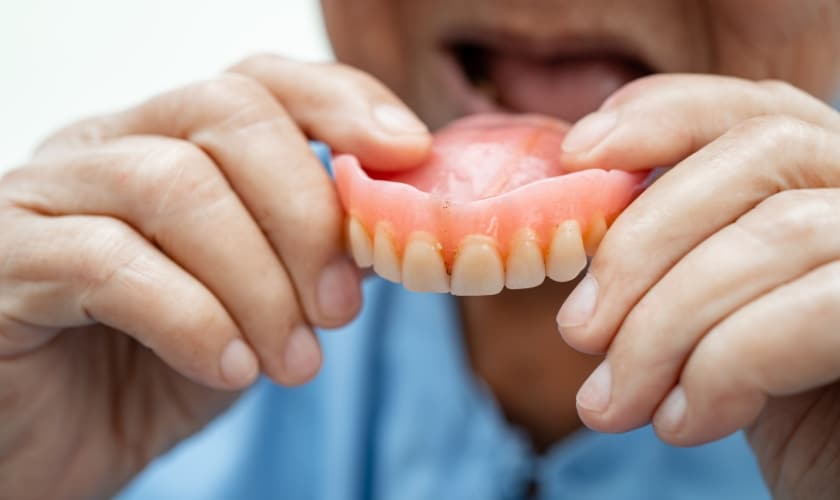
Dentures are removable replacements for missing teeth and surrounding tissues. They can be either full dentures, which replace all teeth in an arch (upper or lower jaw), or partial dentures, which replace some missing teeth but leave some natural teeth remaining.
Types of Dentures
There are two main types of dentures:
- Full Dentures: These dentures replace all of the teeth in either the upper or lower jaw or both. They are typically made of acrylic resin and fit snugly against the gums.
- Partial Dentures: These dentures are used when some natural teeth remain. They consist of replacement teeth attached to a pink or gum-colored plastic base that clasps onto the remaining natural teeth for support.
Benefits of Dentures
Dentures offer a variety of benefits, including:
- Improved Chewing: Dentures allow you to chew food more effectively, which can lead to better digestion and nutrient absorption.
- Enhanced Speech: Dentures can help improve your speech by filling out the gaps left by missing teeth. This can make speaking and pronunciation easier.
- Boosted Facial Appearance: Dentures can restore the natural contours of your face, reducing the sunken appearance that can occur with tooth loss. This can improve your overall confidence and self-esteem.
- Increased Confidence: With a full and functional smile, you may feel more confident in social situations and be more willing to smile and laugh freely.
How Dentures Work
Dentures stay in place through a combination of adhesion and suction. The denture base is designed to fit snugly against your gums, creating a seal that helps hold it in place. Saliva also plays a role in creating suction between the denture and the gums. In some cases, denture adhesives may be used for additional stability.
Adjusting to Dentures: 5 Key Tips
Getting used to dentures takes time and patience. Here are 5 key tips to help you adjust to your new smile:
A. Start Slow & Be Patient
- Allow your gums to heal after getting dentures fitted. Your dentist will advise you on a wear schedule, typically starting with a few hours a day and gradually increasing wear time.
- Practice wearing your dentures for short periods throughout the day to get your mouth accustomed to the feel.
B. Speaking with Dentures
- Speaking clearly with dentures may take some practice. Your tongue positioning may need to adjust slightly to form words.
- Read aloud to yourself or practice conversations with a trusted friend or family member.
- Tongue exercises can help improve muscle control and speech clarity. Your dentist may recommend specific exercises.
C. Eating with Dentures
- Start with soft foods that are easy to chew, such as mashed potatoes, yogurt, and cooked vegetables.
- Cut food into small pieces to make chewing easier.
- Avoid sticky foods and hard foods like nuts and candy, which can damage dentures.
- Chew slowly and on both sides of your mouth to help distribute pressure evenly.
D. Taking Care of Dentures
- Proper cleaning is essential for maintaining good oral health and preventing denture problems.
- Brush your dentures daily with a soft-bristled toothbrush and denture cleanser. Avoid using harsh toothpaste or abrasive cleaners, which can scratch the dentures.
- Soak your dentures overnight in a denture cleaning solution as recommended by your dentist in Joplin. This helps remove plaque and bacteria buildup.
- Brush your gums and tongue gently with a soft toothbrush to remove bacteria and freshen your breath.
E. Addressing Discomfort & Common Issues
- It’s normal to experience some discomfort during the initial adjustment period.
- If you have sore spots, consult your dentist for adjustments. They can reline the denture base or make minor adjustments for a better fit.
- If your dentures feel loose or slip, don’t try to adjust them yourself. This could damage the dentures. Talk to your dentist about refitting or using a denture adhesive.
Maintaining Oral Health with Dentures
Even though you have dentures, maintaining good oral health is still essential. Here’s how:
A. Importance of Regular Dental Checkups
Schedule regular dental checkups with your dentist, even if you wear dentures. These appointments allow your dentist to:
- Examine your mouth for signs of oral health problems like gum disease or thrush.
- Check the fit of your dentures and make adjustments as needed.
- Evaluate your oral health and make recommendations for maintaining a healthy mouth.
B. Brushing Your Gums & Tongue
While dentures replace your teeth, they don’t replace the need to care for your gums and tongue. Brushing your gums and tongue daily with a soft toothbrush removes plaque and bacteria that can contribute to gum disease and bad breath.
C. Diet & Nutrition for Denture Wearers
A balanced diet is important for overall health, including oral health. Here are some tips for denture wearers:
- Choose nutritious foods from all food groups to ensure you’re getting the vitamins and minerals your body needs.
- Cut food into small pieces to make chewing easier.
- Drink plenty of water throughout the day to stay hydrated and keep your mouth moist.
Living with Confidence: Life with Dentures
Adjusting to dentures can be a journey, but with time and these tips, you can live confidently with your new smile.
A. Socializing & Talking with Dentures
- Don’t be afraid to socialize and engage in conversations. With practice, speaking with dentures becomes natural.
- If you’re experiencing difficulty speaking clearly, consult your Joplin dentist or speech therapist for exercises to improve your articulation.
B. Taking Care of Your Smile (denture adhesives, denture repairs)
- Denture adhesives can provide extra stability and security, especially when you’re first getting used to dentures or if they become loose due to natural wear and tear. Choose an adhesive recommended by your nearest dentist and follow the application instructions carefully.
- Minor chips or cracks in dentures can usually be repaired by a dentist. If you notice any damage, don’t attempt to fix it yourself. Schedule an appointment with your dentist to have it professionally repaired.
C. Enjoying Life with a Renewed Smile
Dentures can empower you to smile confidently, eat your favorite foods, and enjoy a better quality of life. Embrace your new smile and all the possibilities it brings!
Final Thoughts
Dentures are a valuable tool for restoring your smile and improving your ability to chew and speak. By following the tips in this guide and consulting your Joplin dentist regularly, you can successfully adjust to dentures and enjoy the benefits for years to come. Remember, don’t hesitate to ask your dentist any questions you may have throughout the process. With a little patience and practice, you’ll be well on your way to a confident smile and a renewed sense of well-being.
Frequently Asked Questions
How often should I clean my dentures?
You should clean your dentures daily, just like you would clean your natural teeth. Brush them with a soft-bristled toothbrush and denture cleanser after each meal and before bed.
What cleaning products should I use?
Use a denture cleanser specifically formulated for dentures. Avoid using harsh soaps, toothpaste, or abrasive cleaners, as these can scratch and damage the dentures.
Can I sleep with my dentures in?
While some people can sleep with their dentures comfortably, most dentists recommend removing them at night. This allows your gums to rest and reduces the risk of irritation or infection.