4402 E 32nd St Suite B, Joplin, MO 64804, United States

Do Dental Implants Really Last a Lifetime? Here’s What We Know
Many patients in Joplin ask Dr. Grant Kirk the same question before committing to treatment: do dental implants really last a lifetime? It is one of the most important things to understand before choosing tooth replacement. The short answer is yes — but only under the right conditions. In this article, we will break down what the research says, what shortens implant lifespan, and how Joplin patients can protect their investment for decades to come.
What Does the Research Say About Dental Implant Longevity in Joplin?
Studies consistently show that dental implants have impressive long-term success rates. Research published in peer-reviewed dental journals reports survival rates above 95% at the ten-year mark. Some long-term studies track implants lasting 25 years or more with proper care. That makes implants one of the most durable tooth replacement options available today.
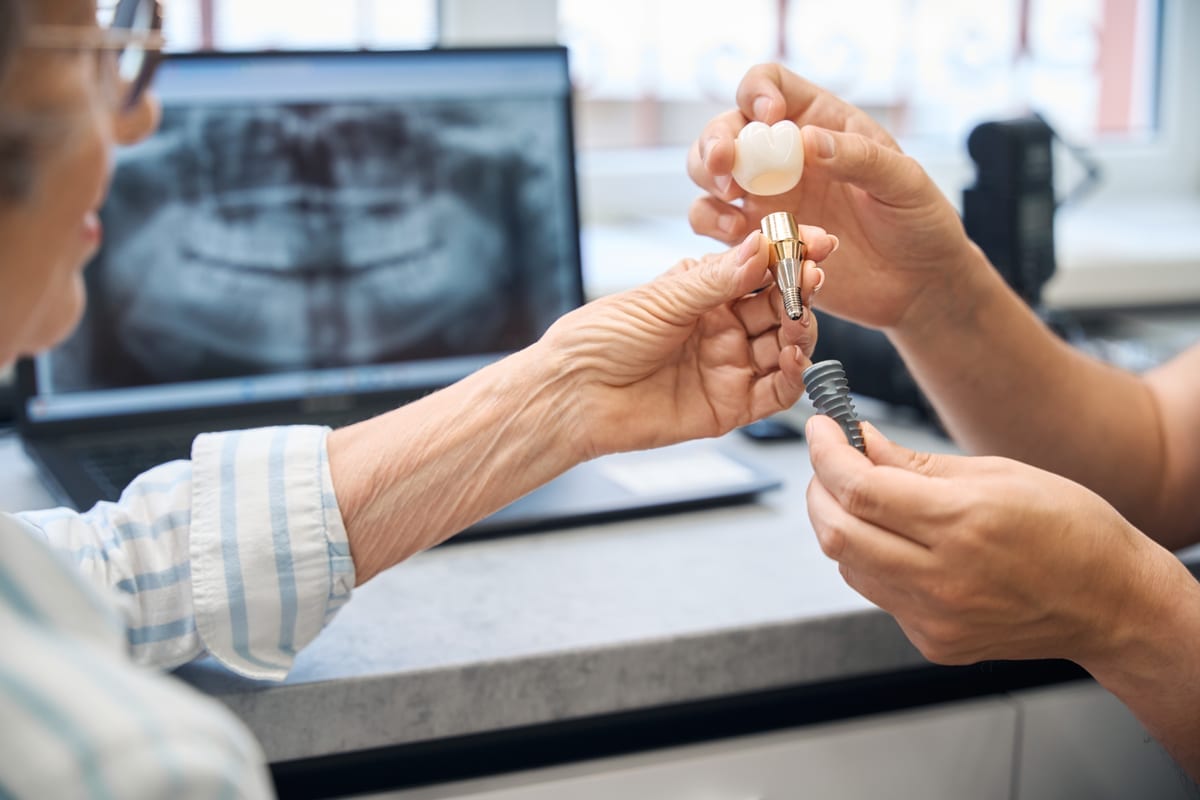
The implant itself — the titanium post placed in your jawbone — is built to last permanently. It fuses with the bone through a process called osseointegration. Once that bond forms, the post is essentially part of your jaw. The crown attached to the implant, however, may need replacement after 10 to 15 years due to normal wear.
Unlike Dentures Custom Joplin, which rest on the gums and may need adjustments or replacements over time, implants are anchored directly in the bone. That structural difference is a big part of why implants tend to outlast other options significantly.
Key Factors That Can Shorten Implant Lifespan
Not every implant lasts decades. Certain habits and health conditions can reduce how long yours will perform well. Understanding these risks helps you make smarter decisions before and after your procedure.
Here are the most common factors that shorten implant lifespan:
- Smoking and tobacco use — reduces blood flow and slows healing after placement
- Poor oral hygiene — allows bacteria to cause peri-implantitis, an infection around the implant
- Uncontrolled diabetes — impairs healing and increases infection risk
- Teeth grinding (bruxism) — puts excessive pressure on the implant crown and post
- Bone loss or low bone density — affects how well the implant integrates with the jaw
- Skipping routine dental checkups — allows small issues to become serious problems
Peri-implantitis is one of the leading causes of implant failure. It starts as inflammation in the gum tissue around the implant. If left untreated, it can destroy the bone supporting the post. Catching it early at a routine checkup is essential to preventing implant loss.
Bruxism is another overlooked risk. Many patients grind their teeth at night without realizing it. A custom nightguard from Dr. Kirk can protect your implant crown and extend its lifespan considerably.
What You Can Do to Help Your Implants Last a Lifetime
The good news is that most of the factors affecting longevity are within your control. Simple, consistent habits make a significant difference in how long your implants perform. Dr. Kirk and the team at Joplin Family Dental will walk you through a personalized aftercare plan after your procedure.
Follow these steps to give your implants the best chance at lasting a lifetime:
- Brush twice daily using a soft-bristled toothbrush around the implant site
- Floss daily with implant-specific floss or a water flosser to clean between teeth
- Attend regular checkups every six months so Dr. Kirk can monitor implant health
- Avoid smoking or quit as soon as possible after placement
- Wear a nightguard if you grind your teeth during sleep
- Eat a balanced diet and limit hard or sticky foods that stress the crown
Maintaining good oral hygiene around an implant is not difficult. It simply requires consistency. Think of your implant the same way you think of a natural tooth — it needs daily attention to stay healthy long-term.
It is also worth noting that some dental procedures can impact implant health indirectly. For example, untreated infections in nearby teeth can spread. If you ever need a Root Canal Joplin on a tooth adjacent to your implant, addressing it promptly protects the surrounding bone and tissue your implant depends on.
How Dr. Grant Kirk Approaches Implant Placement in Joplin
Implant longevity starts before the implant is even placed. Proper planning, accurate placement, and thorough patient education all contribute to long-term success. At Joplin Family Dental, Dr. Kirk takes a comprehensive approach to every implant case.
Before placement, Dr. Kirk evaluates bone density, gum health, and your overall medical history. This helps identify any risk factors that need to be addressed beforehand. Getting those details right upfront dramatically improves long-term outcomes.
During your consultation, Dr. Kirk will also discuss whether sedation dentistry is right for you. Many patients in Joplin feel anxious about oral surgery. Sedation options help you stay comfortable throughout the procedure. A relaxed patient heals better and experiences less post-operative stress on the treatment site.
After placement, you will receive detailed aftercare instructions and scheduled follow-up visits. Dr. Kirk monitors the osseointegration process closely during the healing phase. Catching any early complications quickly is a key part of protecting your implant for the long haul.
Dental Implants Versus Other Tooth Replacement Options
It helps to put implant longevity in perspective by comparing it to alternatives. Each option has its place, but lifespan varies considerably across the board.
Traditional dentures typically need relining every few years and full replacement every 5 to 10 years. Fixed bridges, while more stable than dentures, often last around 10 to 15 years. Dental implants, when properly placed and maintained, can realistically last 25 years or more — often a lifetime.
Implants also preserve jawbone better than other options. When a tooth is lost, the underlying bone begins to deteriorate. An implant post stimulates the bone the same way a natural tooth root does. This prevents the bone loss that can change your facial structure and make future dental work more complicated.
Choosing implants is not just about filling a gap. It is an investment in your long-term oral health and quality of life. Patients in Joplin who make that investment and care for it properly consistently report high satisfaction years after their procedure.
Frequently Asked Questions
Do dental implants really last a lifetime for most patients?
For many patients, yes. The titanium post can last decades or even a lifetime when properly placed and maintained. The crown on top may need replacement after 10 to 15 years. Good oral hygiene and regular dental visits are the most important factors in long-term success.
What is the biggest threat to implant longevity?
Peri-implantitis — an infection in the gum and bone around the implant — is one of the top causes of implant failure. Smoking and poor oral hygiene are the leading causes of this condition. Routine checkups with Dr. Kirk allow early detection and treatment before serious damage occurs.
Can I get dental implants if I have bone loss in my jaw?
Bone loss does not automatically disqualify you from implants. Dr. Kirk evaluates bone density during your consultation. In some cases, a bone graft procedure is recommended to rebuild the area before implant placement. Many patients with moderate bone loss successfully receive implants after grafting.
How long does the implant healing process take?
Osseointegration — the process where the implant fuses with your jawbone — typically takes three to six months. Full healing time varies depending on your health, bone quality, and whether any preparatory procedures were needed. Dr. Kirk monitors your healing at follow-up appointments throughout the process.
Are dental implants a good option for older adults in Joplin?
Age alone is not a barrier to dental implants. Overall health, bone density, and gum health matter far more than age. Many older adults in Joplin have successfully received implants and enjoy excellent long-term results. Dr. Kirk will assess your individual situation during a full consultation at Joplin Family Dental.
If you are ready to explore whether dental implants are the right long-term solution for your smile, our team is here to guide you every step of the way. Book Now to schedule your appointment with our team.