4402 E 32nd St Suite B, Joplin, MO 64804, United States

The Difference Between Dental Implants and Mini Dental Implants
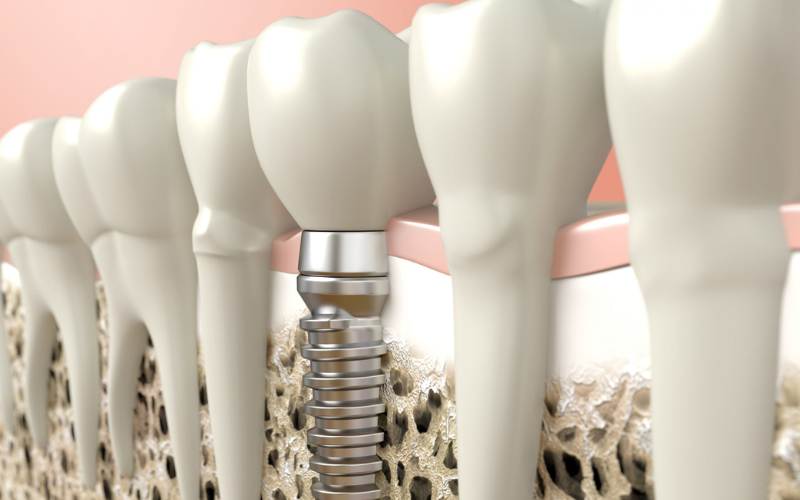
Dental implants stand out as a popular and enduring solution for addressing missing teeth, offering both cosmetic and functional benefits. Crafted from lightweight, biocompatible titanium, implants replace individual or multiple teeth and provide stability for removable dentures. Remarkably, they stimulate bone growth, enhancing jaw structure.
Dental implants contribute to stronger bite power compared to conventional dentures. They offer stability for surrounding natural teeth and, with proper care, can last for decades. Embrace the enduring benefits of dental implants, ensuring a confident smile, enhanced eating experience, and long-term oral health.
Understanding Traditional Dental Implants :
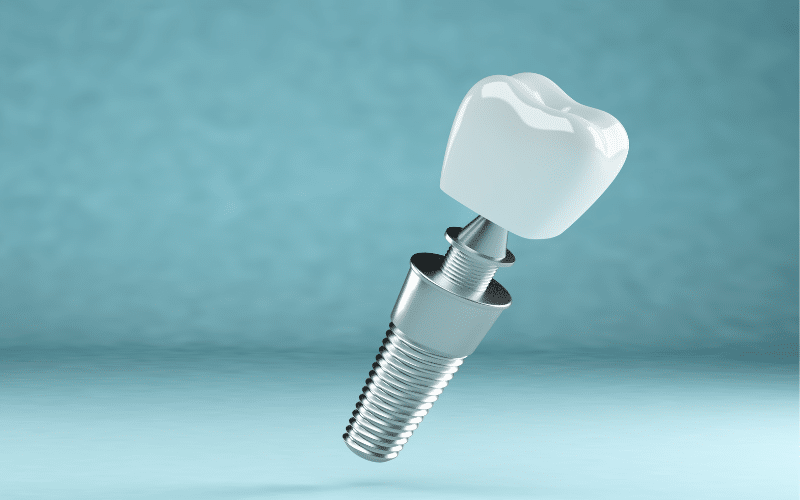
A Traditional Dental Implant serves as an artificial piece resembling a small screw strategically designed to mimic a natural tooth root. These implants are securely anchored in the jawbone, offering steadfast support for various dental restorations such as crowns, bridges, or dentures—effectively replacing missing teeth.
The longevity of traditional dental implants is notable, potentially lasting a lifetime and up to 25 years with proper care. Beyond their durability, these implants demand minimal maintenance, proving effective in preventing bone loss and ensuring sustained oral health. Embrace the reliability and lasting benefits of traditional dental implants for a confident and functional smile.
Understanding Mini Dental Implants :
A Mini Dental Implant functions similarly to a traditional implant but stands out in its design. These implants are notably smaller, about half the size of regular implants, making them ideal for individuals with lower bone density who may not accommodate larger traditional implants.
What sets mini dental implants apart is their quick and less invasive placement compared to traditional counterparts, facilitating a faster healing process for patients. Additionally, once a mini dental implant is in place, artificial teeth can be promptly utilized, offering immediate functionality—a feature distinct from traditional implants.
Mini dental implants feature a ball on the exposed end. This design variation adds versatility to the application of mini dental implants. Embrace the convenience and efficiency of mini dental implants, especially suitable for those with lower bone density, ensuring a swift and effective tooth replacement experience.
Exploring the Distinctions Between Mini and Traditional Dental Implants:
Dental implants manifest in two distinct forms: traditional implants and Mini Dental Implants (MDIs). The key disparities lie in their size, durability, and overall functionality.
Traditional Implants:
Regular implants typically consist of two pieces with a diameter ranging from 3.25 to 5 millimeters. These are inserted into the bone socket of missing teeth using an external screw.
Mini Dental Implants:
Mini implants are compact, one-piece screws with a diameter of less than 3mm, featuring a unique ball-shaped end protruding from the jawbone. Due to their smaller size, they are also known as Narrow Diameter Implants (NDIs) or Small Diameter Implants (SDIs).
Both regular and mini implants have their advantages and drawbacks, contingent upon individual oral conditions. The determination of the most suitable implant treatment necessitates the expertise of an experienced dentist. Here are some considerations regarding the pros and cons of mini dental implants versus traditional dental implants.
Pros of Mini Dental Implants:
Suitable for Bone Loss: Mini implants are ideal for individuals with significant jaw bone loss, offering stability for denture wearers.
Non-Invasive Treatment: MDIs eliminate the need for major surgery, streamlining the implant procedure.
Cost-Effective: Mini implants are generally more affordable than traditional ones.
Versatility: Commonly used to stabilize lower dentures, they can replace one or more missing teeth anywhere in the mouth.
Improved Denture Fit: Enhances denture stability, chewing, and biting.
Cons of Mini Dental Implants:
Quantity Requirement: Two MDIs may be needed to match the function of a single standard implant, potentially exerting more stress on the jawbone.
Longer Healing Time: Due to different weight distribution, healing may take longer compared to traditional implants.
Maintenance of O-rings: Rubber O-rings on dentures require periodic replacement, influenced by the frequency of denture removal.
Choosing Between Traditional and Mini Implants:
Determining whether traditional or mini implants are suitable depends on individual health, existing conditions, and treatment preferences. While anyone healthy enough for routine tooth extraction is a potential candidate for regular implants, mini implants may serve as an effective alternative in cases of chronic illnesses, heavy smoking, or prior radiation therapy.
Consult an Implant Expert:
To make an informed decision tailored to your specific needs, seek advice from a dentist proficient in both mini and standard implant procedures. Implants contribute to jaw bone strength, and the choice between standard and mini implants hinges on a thorough evaluation of your oral health and jaw condition. According to the American Academy of Implant Dentistry (AAID), consulting an experienced dentist is crucial for the estimated 35 million Americans who have lost all their upper or lower teeth or both.