4402 E 32nd St Suite B, Joplin, MO 64804, United States

Porcelain Inlays and Onlays: A Conservative Approach to Restorations
Porcelain inlays and onlays offer a conservative approach to dental restorations, combining functionality with aesthetic appeal. These options are ideal for repairing damaged teeth while keeping the majority of the tooth’s natural structure intact. This blog delves into the benefits, procedures, and maintenance of porcelain inlays and onlays, helping you understand why they might be the right choice for your dental needs.
What Are Porcelain Inlays and Onlays?
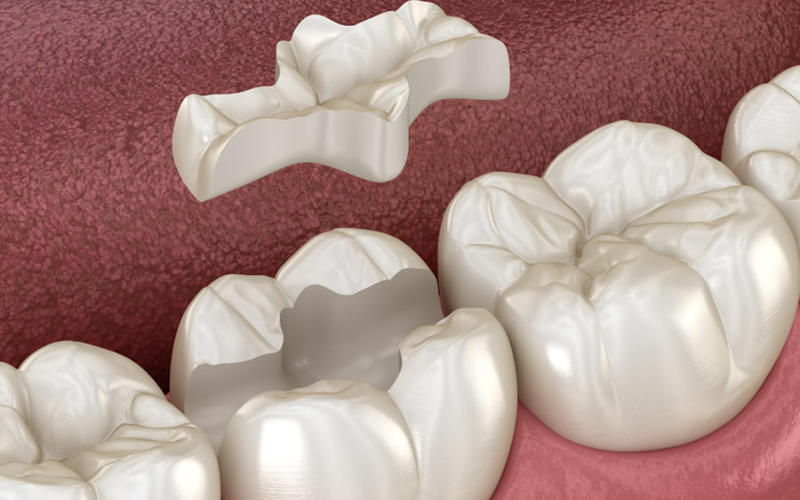
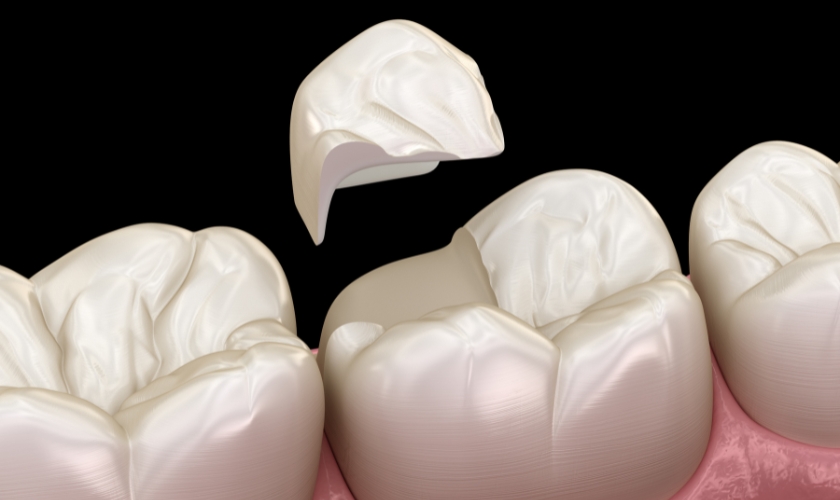
Porcelain inlays and onlays are dental restorations designed to restore teeth that have suffered deterioration or trauma. Both types are crafted from high-quality porcelain, which closely resembles your teeth’s natural color. Here’s a closer look at these restorations:
- Inlays: These are used for cavities located within the cusps of a tooth. Inlays fit snugly into the cavity, providing a seamless and durable repair. They are ideal for small to moderate damage and are less invasive than crowns.
- Onlays: Often referred to as “partial crowns,” onlays cover a tooth’s cusp or cusps. They are suitable for more extensive damage and provide greater coverage than inlays. Onlays are used when the damage extends beyond a single cavity but doesn’t require a full crown.
Both inlays and onlays are designed to Their flawless integration with your natural teeth makes them a great option for visible areas where aesthetics are a concern.
Benefits of Porcelain Inlays and Onlays
Porcelain inlays and onlays offer several advantages over other types of dental restorations:
- Aesthetic Appeal: Porcelain is highly effective at mimicking the natural appearance of your teeth. The color and translucency of porcelain ensure that the restoration looks natural, making it ideal for front teeth and other visible areas.
- Durability: Porcelain is a strong and robust substance that is able to tolerate the typical chewing pressures. Inlays and onlays can last for many years with the right maintenance, making them a long-lasting solution for dental repairs.
- Conservative Approach: Unlike traditional fillings and crowns, only a small amount of good tooth structure must be removed for inlays and onlays. This methodical technique aids in maintaining as much of the natural tooth as possible, maintaining its strength and integrity.
- Biocompatibility: Porcelain is a biocompatible material; this indicates that the body can tolerate it effectively and that allergic reactions are less likely to occur. This makes it a safe option for most patients.
- Stain Resistance: Porcelain is resistant to staining and discoloration, helping to keep your restoration looking bright and clean over time. This is particularly beneficial for those who consume staining foods and beverages.
The Procedure for Getting Porcelain Inlays and Onlays
The process involves several key steps:
- Initial Consultation: During your initial visit, your dentist will examine your tooth and discuss treatment options. This may include taking X-rays to evaluate the damage and choose the appropriate course of action.
- Tooth Preparation: The affected area of the tooth is cleaned and prepared. For inlays, this involves removing any decay within the cusps. For onlays, more extensive shaping may be required to ensure a proper fit.
- Impression: Your tooth is imprinted in order to fabricate a unique inlay or onlay. This can be done using traditional molds or digital scanning technology. The impression ensures that the restoration will fit precisely and comfortably.
- Temporary Restoration: During the process of creating your personalized restoration, a provisional inlay or onlay may be placed to protect the prepared tooth. This temporary solution helps to maintain tooth function and appearance during the waiting period.
- Placement: Once your porcelain inlay or onlay is ready, it is carefully fitted and bonded to the prepared tooth. Your dentist will examine the fit and make any required modifications to guarantee comfort and functionality.
- Final Check: After placement, your dentist will perform a final check to ensure that your bite is properly aligned and that the restoration functions as intended.
Care and Maintenance
Maintaining and caring for your porcelain inlays and onlays require proper care to extend its lifespan:
- Good Oral Hygiene: Brushing and flossing daily is a frequent way to maintain good dental hygiene. Apply fluoride toothpaste to your teeth to help prevent decay and keep your restorations clean.
- Regular Check-ups: Schedule regular dental check-ups and cleanings to monitor the condition of your restorations and overall dental health. Your dentist will be able to identify any issues early and address them promptly.
- Avoid Hard Foods: Although porcelain is durable, it is still a good idea to avoid extremely hard foods that could potentially damage your restoration. This includes items like ice, hard candies, and certain nuts.
- Wear a Mouthguard: If you grind your teeth or participate in contact sports, consider using a mouthguard. This can help protect your restorations and natural teeth from damage.
Making the Right Choice
Porcelain inlays and onlays offer a conservative and effective approach to dental restoration. They combine aesthetic appeal with durability, providing a solution that restores both function and appearance. Whether you need to repair a small cavity or address more extensive damage, these restorations can be tailored to meet your specific needs.
By opting for this, you can enjoy a healthier and more radiant smile while preserving your natural tooth structure. If you’re confused about the different materials to choose for restorative treatment, discuss with your dentist whether these options are the best choice for you. With proper care, this tooth restoration can provide long-lasting results that enhance both the function and beauty of your smile.
Frequently Asked Questions
Q. How long do porcelain inlays and onlays last?
A. Porcelain inlays and onlays can last between 10 to 15 years with proper care. Their longevity depends on factors like oral hygiene and avoiding hard foods.
Q. Are porcelain inlays and onlays more expensive than fillings?
A. Yes, porcelain inlays and onlays generally cost more than traditional dental fillings. The higher cost reflects the durability, aesthetic appeal, and custom nature of these restorations.
Q. Is the procedure for porcelain inlays and onlays painful?
A. The procedure for placing porcelain inlays and onlays is generally not painful. Local anesthesia is used to numb the area, ensuring comfort throughout the process.