4402 E 32nd St Suite B, Joplin, MO 64804, United States

Why Onlays Are Perfect For Large Cavities: Dentist In Joplin Explains
Cavities are among the most common dental problems worldwide. While small cavities can be addressed with traditional fillings, large cavities require more advanced solutions. For patients in Joplin, onlays offer the perfect middle ground between fillings and crowns.
These durable, conservative restorations not only repair the damage but also preserve the healthy parts of your teeth. This blog explores what onlays are, why they’re an ideal solution for large cavities, and how they’re applied to restore oral health.
Onlays & Its Characteristic
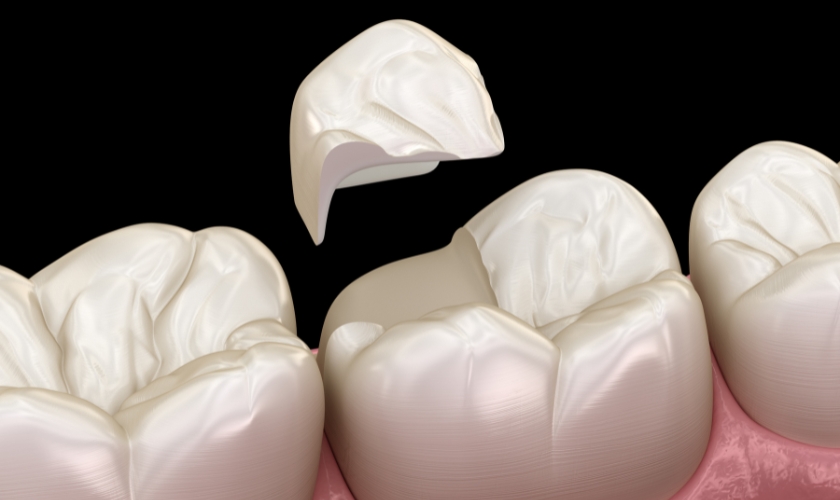
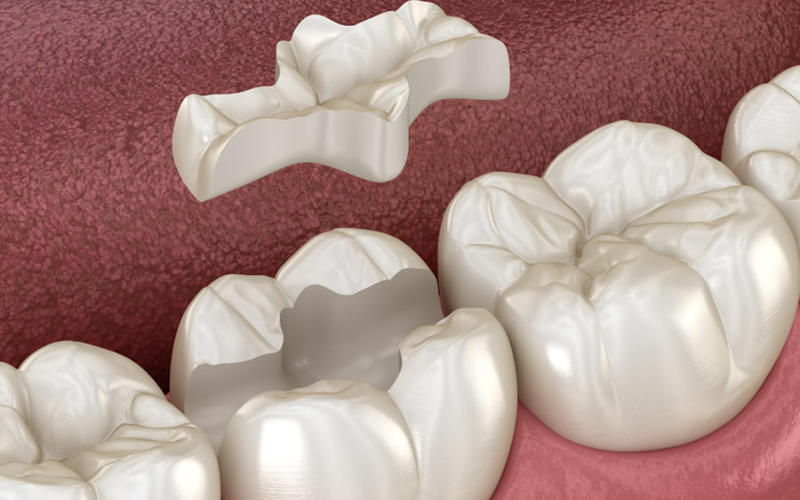
Dental onlays are restorative solutions used to repair teeth with moderate to severe decay or damage. Often called “partial crowns,” onlays cover the damaged part of the tooth while leaving the healthy structure intact.
Unlike regular fillings, which fill small cavities or crowns which encase the entire tooth, onlays strike a balance. They address damage that’s too large for a filling yet not severe enough to require a crown.
Key Characteristics of Onlays
- Made from materials like ceramic, porcelain, or composite resin for durability and aesthetics.
- Custom-crafted to fit the tooth perfectly.
- Bonded securely to the tooth surface for long-lasting results.
How Large Cavities Affect Dental Health?
Large cavities result from prolonged tooth decay, often exacerbated by poor oral hygiene, sugary diets, or neglecting regular dental checkups. If untreated, they can lead to:
- Weak Tooth Structure: The affected tooth becomes fragile and prone to fractures.
- Pain and Sensitivity: Exposed nerves can cause discomfort, especially when eating or drinking hot, cold, or sweet foods.
- Infection Risks: Deep cavities can allow bacteria to infect the tooth pulp, potentially leading to abscesses.
- Functional Issues: Large cavities can affect your ability to chew and speak comfortably.
Why Onlays Are The Perfect Solution for Large Cavities?
1. They Preserve Healthy Tooth Structure
One of the most significant benefits of onlays is their conservative nature. Unlike crowns, which require the entire tooth to be reshaped, onlays remove only the decayed or damaged portions. This preserves more of your natural tooth, which is always the goal in modern dentistry.
2. Long-Lasting Durability
Onlays are made from durable materials like ceramic or porcelain, which can withstand years of chewing and grinding. With proper care, onlays often last 10-15 years or even longer.
3. Natural Appearance
For patients concerned about aesthetics, onlays are an excellent choice. They’re custom-matched to your tooth’s color and shape, blending seamlessly with your smile.
4. Superior Strength
Onlays don’t just repair damage—they strengthen the tooth. By covering the affected areas and reinforcing the remaining structure, they restore full functionality and help prevent further fractures or decay.
5. A Middle Ground Between Fillings and Crowns
For many patients, fillings might not provide enough support for large cavities, while crowns might feel excessive. Onlays offer a balanced approach, addressing the damage without removing unnecessary tooth structure.
Process of Getting Onlays
The application of onlays typically involves two dental visits:
Step 1: Consultation and Tooth Preparation
- The dentist will examine the damaged tooth using tools like X-rays to determine the extent of the decay.
- They remove the decayed or damaged portion of the tooth, leaving the healthy structure intact.
- Then takes an impression of the tooth to create a custom onlay.
- The dentist may place a temporary filling to protect the tooth while crafting the onlay.
Step 2: Placement of The Onlay
- During the second visit, dental professionals remove the temporary filling and test the custom-made onlay for fit and comfort.
- The dentist bonds the onlay to the tooth using a strong dental adhesive.
- The dentist polishes the onlay for a natural look and ensures proper alignment with your bite.
How To Care for Your Onlays?
To maximize the lifespan of your onlays, follow these care tips:
- Maintain Oral Hygiene: Brush twice daily and floss around the onlay to prevent decay.
- Avoid Hard Foods: Refrain from chewing on hard items like ice or nuts, which can damage the onlay.
- Wear a Nightguard: If you grind your teeth at night, use a nightguard to protect the restoration.
- Regular Dental Visits: Schedule regular checkups with our dentist in Joplin to monitor the health of your onlays and overall oral health.
Myths Surrounding This Dental Option
Myth 1: Onlays Are Fragile
Fact: Dentists make onlays from highly durable materials and design them to withstand chewing forces.
Myth 2: They Don’t Look Natural
Fact: Dentists custom-craft onlays to match your tooth’s color, making them virtually invisible.
Myth 3: They’re Only for Severe Damage
Fact: Onlays are ideal for moderate damage, providing a middle-ground solution between fillings and crowns.
When it comes to addressing large cavities, onlays are a game-changer. They provide a durable, natural-looking, and conservative solution that preserves your tooth’s integrity while restoring its strength and functionality.
If you’re dealing with a large cavity, consult our dentist in Joplin to explore whether onlays are the right choice for you. With their long-lasting durability and aesthetic appeal, onlays ensure your smile remains healthy, functional, and beautiful for years.
Don’t let large cavities compromise your dental health—schedule an appointment today to discuss your restorative options and regain your confident smile!