4402 E 32nd St Suite B, Joplin, MO 64804, United States

Why Oral Hygiene Is Crucial to Your Overall Health.

We often get caught up in the daily grind and neglect routine tasks like brushing our teeth. However, what many people need to realize is that good oral hygiene goes far beyond a bright smile and fresh breath. It’s crucial for maintaining your overall health and well-being. This blog will explore the surprising connections between your mouth and your body. Also, we’ll highlight how neglecting oral hygiene can lead to various health issues. We’ll also delve into simple ways to improve your oral hygiene routine. This will empower you to take charge of your health and well-being, starting from the inside out.
The Mouth: A Gateway to Your Health
Our mouth is a complex ecosystem teeming with bacteria – both good and bad. These bacteria constantly interact with each other, and when the balance is disrupted, it can lead to oral health problems like cavities and gum disease. But what’s truly fascinating is that these oral health issues can have far-reaching consequences, impacting various aspects of your health. Here’s a deeper look at how the mouth acts as a gateway to your well-being:
The delicate balance
The beneficial bacteria in our mouths help break down food, aid in digestion and even contribute to a healthy immune system. However, when this delicate balance is disrupted by factors like poor oral hygiene, sugary foods, or certain medications, harmful bacteria can overgrow. This leads to the formation of plaque, a sticky film that clings to teeth and harbors harmful bacteria.
Beyond plaque
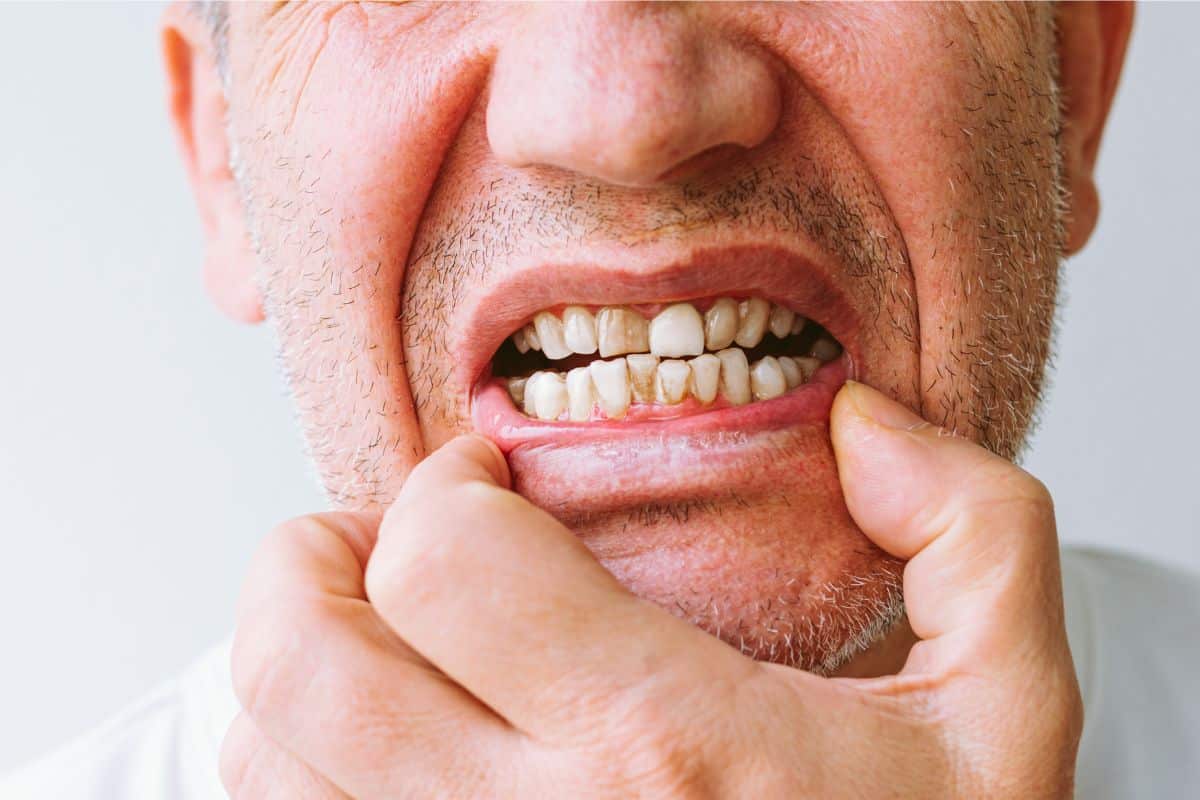
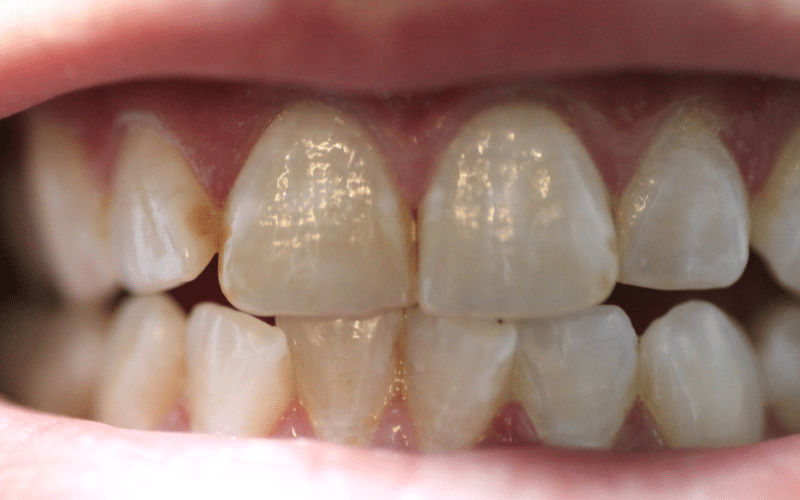
Beyond just causing cavities, plaque can irritate and inflame the gums, leading to gingivitis, the early stage of gum disease. If left untreated, gingivitis can progress to periodontitis, a severe gum infection that damages the soft tissue and bone supporting your teeth.
The inflammatory connection
Periodontitis is characterized by chronic inflammation, a state where the body’s immune system is constantly fighting the harmful bacteria in the mouth. This chronic inflammation isn’t confined to the mouth; it can enter the bloodstream and contribute to various systemic health issues.
A two-way street
The link between oral health and other health conditions is often described as a two-way street. For example, uncontrolled diabetes can worsen gum disease, while gum disease can contribute to poor blood sugar control in diabetic patients. Similarly, certain medications used to treat various health conditions can lead to dry mouth, which can increase the risk of tooth decay.
Cardiovascular Disease
Studies suggest a link between gum disease (periodontitis) and an increased risk of heart disease and stroke. The theory is that the inflammation and bacteria associated with gum disease can enter the bloodstream. As a result, it contributes to the buildup of plaque in arteries, putting you at increased risk of cardiovascular problems.
Early signs and symptoms
Our mouth can often send signals about our overall health. Swollen, bleeding gums, persistent bad breath, or loose teeth can all be signs of underlying oral health problems. Additionally, mouth ulcers, changes in taste, or white patches on the tongue can sometimes be indicative of other health concerns.
Respiratory Issues
Research suggests a connection between gum disease and respiratory infections like pneumonia. This is because the bacteria in the mouth can travel to the lungs, potentially contributing to respiratory problems.
Impact on mental and social well-being
Beyond physical health, poor oral health can negatively impact our mental and social well-being. Painful teeth, missing teeth, or bad breath can lead to feelings of self-consciousness and difficulty socializing. Maintaining good oral health contributes to a better quality of life by boosting self-esteem and promoting positive social interactions.
Beyond the Smile: Building a Strong Oral Hygiene Routine
Maintaining a healthy smile and optimal oral health goes beyond the basic act of brushing twice a day. While brushing is essential, it’s crucial to incorporate a comprehensive approach that addresses all aspects of oral care. Here’s an expanded guide to building a strong oral hygiene routine:
Brushing Technique Matters
- Choose the right toothbrush: Opt for a soft-bristled toothbrush with a small head, allowing you to reach all areas of your mouth effectively. Replace your toothbrush every 3-4 months or sooner if the bristles become frayed.
- Brush at the right angle: Angle your toothbrush 45 degrees against your gum line and use gentle, circular motions to clean all surfaces of your teeth. Don’t scrub harshly, as this can damage your gums and tooth enamel.
- Brush for the recommended duration: Aim for brushing for two minutes twice a day – morning and evening. You can use a timer or play a song for two minutes to ensure you’re brushing for the appropriate duration.
- Remember your tongue: The tongue harbors bacteria that can contribute to bad breath. Gently brush your tongue with your toothbrush or a tongue scraper to remove bacteria and freshen your breath.
Flossing – More Than Just a Recommendation
- Flossing reaches where brushing can’t: Brushing alone can only clean the surfaces of your teeth. Flossing is essential for removing plaque and food particles from between your teeth, which a toothbrush can’t reach.
- Different flossing options: Choose the flossing method that works best for you – traditional dental floss, floss picks, or water flossers.
- Focus on proper technique: Gently guide the floss between each tooth, curving it around the base of the tooth to remove plaque. Avoid snapping the floss, and be gentle with your gums.
Embrace the Power of Fluoride
- Fluoride strengthens teeth: Fluoride is a mineral naturally found in some foods and water sources. It can also be found in toothpaste and mouthwash. Fluoride helps strengthen tooth enamel, making teeth more resistant to cavities.
- Choose fluoride-containing toothpaste: Look for toothpaste with the American Dental Association (ADA) Seal of Acceptance. This guarantees it contains the recommended amount of fluoride.
- Consider additional fluoride sources: Depending on your risk factors for cavities, your dentist may recommend additional fluoride treatments, such as rinses or gels.
- Maintain a Healthy Diet
- Fuel your body and your smile: What you eat plays a significant role in your oral health. Limit sugary and processed foods, as these provide fuel for the harmful bacteria in your mouth, leading to plaque buildup and cavities.
- Choose healthy alternatives: Opt for fruits, vegetables, and whole grains, which are rich in vitamins and minerals essential for maintaining healthy teeth and gums.
- Hydration is key: Drinking plenty of water throughout the day helps wash away food particles and bacteria from your mouth, promoting a healthy oral environment.
Schedule Regular Dental Checkups and Cleanings
Regular checkups and cleanings by a dentist are crucial for maintaining good oral health. During these visits, your dentist can identify and address any potential problems early on, preventing them from becoming more serious and costly to treat. Also, they’ll perform professional cleanings, removing tartar (calculus) that is impossible to remove with brushing and flossing alone. Your dentist can offer personalized guidance and recommendations based on your individual oral health needs and risk factors.
Additional Tools for Optimal Oral Care
- Interdental brushes: These small brushes can help clean between teeth, especially for individuals with braces or wider gaps between their teeth.
- Antibacterial mouthwash: While not a substitute for brushing and flossing, a fluoride-containing mouthwash can offer additional benefits by reducing plaque and freshening breath.
- Tongue scraper: Using a tongue scraper regularly can help remove bacteria and debris from your tongue, leading to fresher breath and improved taste perception.
Oral hygiene is not merely about aesthetics; it’s about fostering a healthy body and mind. By understanding the intricate connections between your mouth and your overall health, you can empower yourself to take charge of your well-being, one brush stroke at a time. Remember, building a strong oral hygiene routine doesn’t require drastic changes. Start by incorporating the simple yet effective practices outlined above into your daily life. Consult your dentist regularly for personalized guidance and professional care. By prioritizing your oral health, you can invest in a brighter smile, fresher breath, and, most importantly, a healthier you. Remember, a healthy smile is a reflection of a healthy body, so brush, floss, and take charge of your smile, one step at a time!