4402 E 32nd St Suite B, Joplin, MO 64804, United States

Unveiling the Secrets of Discoloration and Teeth Stains: Causes and Treatment
A radiant, white smile is not only aesthetically pleasing but also a sign of good oral health. However, tooth discoloration and stains can mar the brilliance of our smiles, leaving many wondering about the causes and effective treatment options. In this comprehensive guide, we’ll delve into the various aspects of tooth discoloration, exploring intrinsic and extrinsic stains, age-related factors, and common causes based on color. Let’s uncover the root of the issue and provide practical tips for maintaining a bright, confident smile.
What Is Tooth Discoloration?
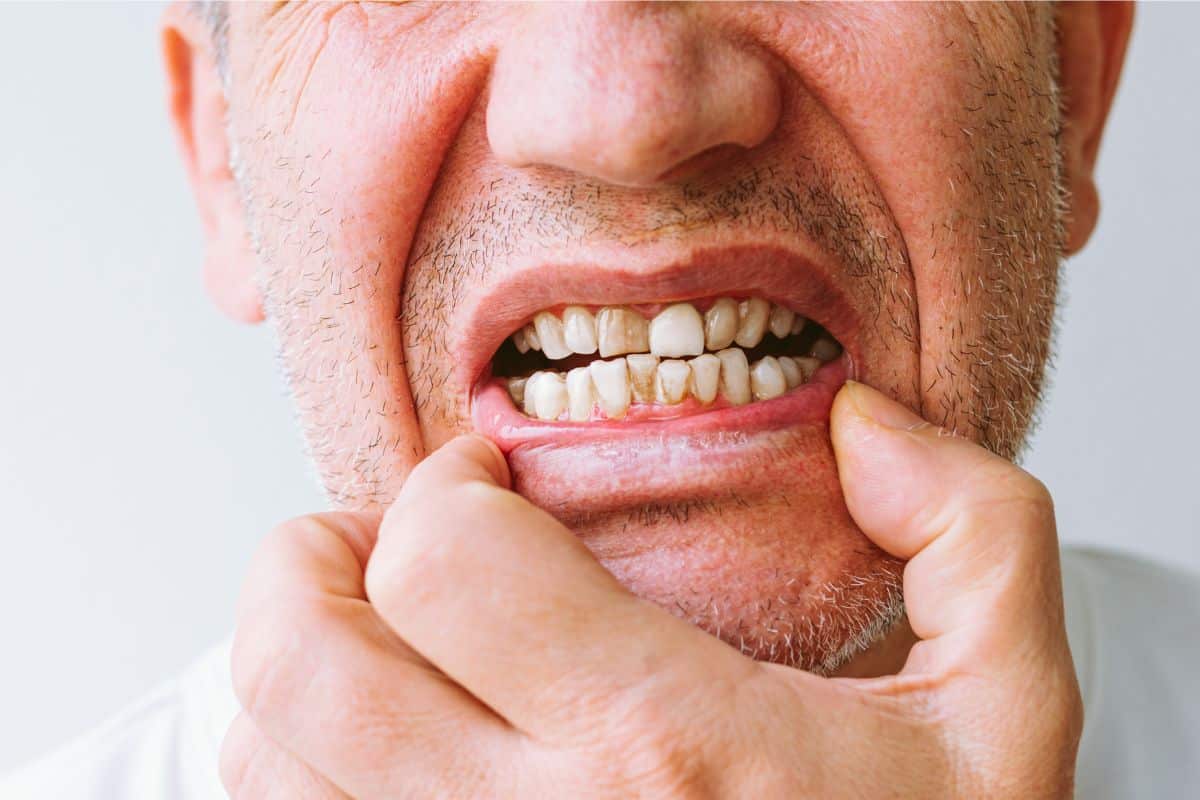
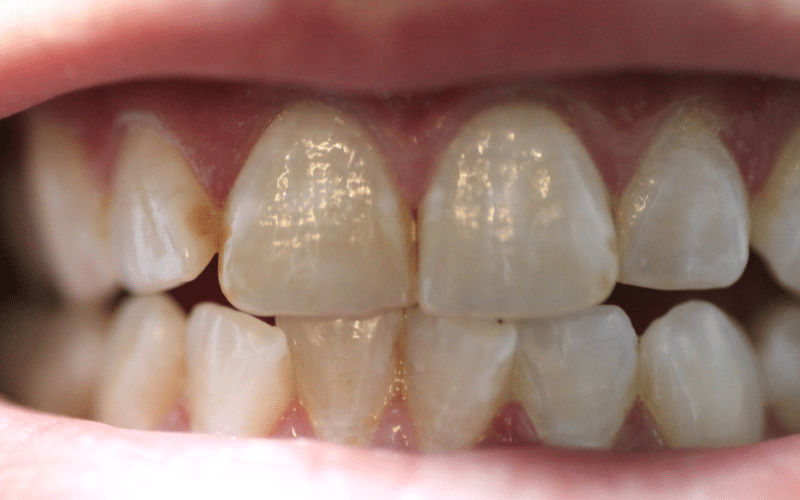
Tooth discoloration is a prevalent concern that affects people of all ages. It can manifest as intrinsic stains, which originate within the tooth, or extrinsic stains, which occur on the tooth’s surface. Additionally, age-related factors can contribute to the gradual transformation of our pearly whites.
Intrinsic Tooth Stains:
Intrinsic stains result from factors within the tooth, such as the use of certain medications during tooth development or exposure to excessive fluoride. These stains often appear as a result of internal changes within the tooth structure.
Extrinsic Teeth Stains:
Extrinsic stains, on the other hand, are caused by external factors like pigmented foods, drinks, and tobacco. These stains affect the tooth’s enamel and can be addressed through various preventive measures and treatment options.
Age-Related Teeth Stains:
As we age, our teeth naturally change. The enamel thins, revealing more of the yellowish dentin beneath, leading to age-related stains. Understanding these variations is crucial in devising effective strategies for maintaining a vibrant smile throughout life.
Tooth Discoloration Causes:
Vitamin Deficiency:
A deficiency in essential vitamins and minerals can contribute to tooth discoloration. Ensuring a well-balanced diet with sufficient nutrients is vital for oral health.
Food and Drink:
Consuming highly pigmented foods and beverages, such as coffee, tea, red wine, and berries, can lead to extrinsic stains over time.
Smoking:
Tobacco products contain compounds that not only stain teeth but also contribute to various oral health issues.
Trauma, Damage, or Disease:
Physical trauma, tooth damage, or certain diseases can result in intrinsic stains, affecting the tooth’s internal structure.
Braces:
While orthodontic braces are instrumental in achieving a straight smile, they can pose challenges in maintaining oral hygiene, leading to discoloration.
Medical Treatment:
Certain medications, such as antibiotics like tetracycline, can cause intrinsic tooth discoloration, especially during tooth development.
Understanding Tooth Discoloration Based on Color
Black Lines:
A black line stain on teeth commonly points to the accumulation of tartar around the teeth. This buildup, if left unaddressed, can contribute to the discoloration of the affected teeth.
Orange Stains:
Orange stains primarily manifest along the gum line and typically result from the accumulation of bacteria or food particles. Regular oral hygiene practices, including thorough cleaning along the gum line, can help prevent and alleviate these stains.
Grey Stains:
When tooth discoloration takes on a grey hue, it often signifies damage due to trauma. This occurrence is notably prevalent in children, emphasizing the importance of safeguarding oral health from an early age.
Dark Stains:
Dark stains on teeth commonly result from the consumption of staining substances like tea, coffee, or wine, or from smoking. These stains intensify with the buildup of tartar, underscoring the importance of consistent and thorough dental care routines.
Yellow Stains:
Inadequate cleaning after consuming foods high in tannins is a leading cause of yellow stains on teeth. Establishing an enhanced dental hygiene plan, coupled with the use of whitening toothpaste, can often effectively address and diminish these yellow stains.
Discoloration Between Teeth:
Discoloration between teeth may stem from tartar buildup, but it can also indicate wine-stained teeth. In this scenario, a stain-causing substance has become trapped between the teeth, emphasizing the need for regular and meticulous dental care to prevent and manage such discoloration.
How Common Are Discolored or Stained Teeth?
Tooth discoloration is a widespread concern, affecting a significant portion of the population. Understanding its prevalence underscores the importance of adopting proactive measures to prevent and treat stains.
How to Get Rid of Stains On Teeth:
Improve Your Daily Cleaning Routine and Schedule a Professional Dental Cleaning:
A meticulous oral hygiene routine, coupled with regular professional cleanings, is foundational in preventing and mitigating teeth stains.
Cut Back On High-Tannin Food and Drink:
Reducing the consumption of highly pigmented and tannin-rich items can help minimize the risk of extrinsic stains.
Whiten Your Teeth in Just 20 Minutes with Sinsational Smile:
Modern dental advancements offer convenient and effective teeth-whitening solutions, such as the Sinsational Smile procedure.
Same-Day Smile Makeover:
For those seeking immediate results, same-day smile makeovers provide a comprehensive approach to revitalizing the appearance of stained teeth.
Speak to a Professional:
Consulting with a dental professional ensures personalized advice and treatment options tailored to individual needs.
As you embark on the journey to a brighter smile, it’s crucial to emphasize the role of regular dental visits. Our dedicated team of dental professionals is here to guide you on the path to optimal oral health. Don’t let tooth discoloration diminish your confidence—visit our dental office for personalized care and comprehensive solutions. With the right knowledge and proactive measures, you can confidently showcase a radiant smile that reflects both health and happiness.
Speak to Joplin’s Dental Experts to Find Out More
Find out more about how to treat stained teeth, and how you could brighten your smile while keeping your teeth healthy and strong, by talking to the Living Well Dental team.
We’re always happy to provide advice or get you booked for a consultation. We’ll have your teeth white and bright in no time!
Call today at (417) 781-2900 or schedule an appointment right here on our website.