4402 E 32nd St Suite B, Joplin, MO 64804, United States

Can Probiotics Help With Gum Disease?
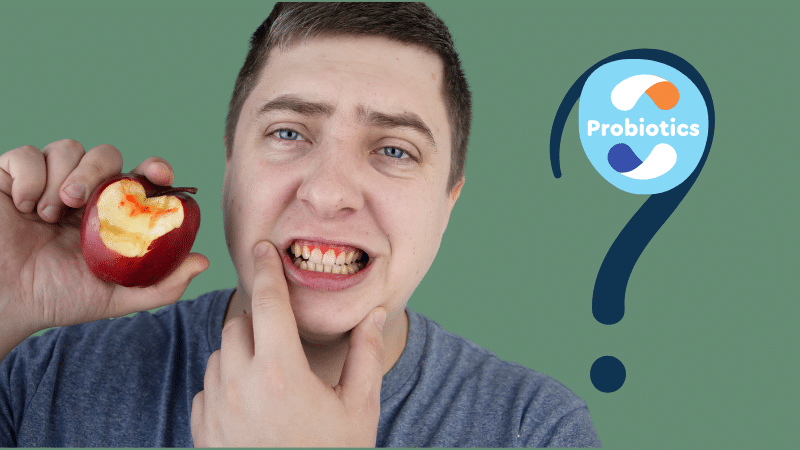
Gum disease, also known as periodontal disease, is an inflammation of the gums that can lead to serious health problems if left untreated. While brushing and flossing are the gold standards for maintaining good oral hygiene, probiotics might offer an additional line of defense for your gums. But how exactly do probiotics work, and can they truly combat gum disease? Let’s delve into the fascinating world of the oral microbiome and explore the potential of probiotics in promoting healthy gums.
Understanding the Oral Microbiome: A Balancing Act
Our mouths are teeming with life – a complex ecosystem of trillions of bacteria, viruses, and fungi, collectively known as the oral microbiome. Just like the gut microbiome, the oral microbiome plays a vital role in our health. The good bacteria in our mouths help digest food, break down plaque, and fight off harmful pathogens that can cause cavities and gum disease. However, when the balance of this delicate ecosystem is disrupted, the bad bacteria can overgrow. As a result, it leads to inflammation and the development of gum disease. Factors like poor oral hygiene, smoking, certain medications, and underlying health conditions can all contribute to this imbalance.
Probiotics: The Friendly Fighters of the Oral Cavity
Probiotics are live microorganisms that offer health benefits when consumed. They are most commonly associated with gut health. However, research suggests they may also play a role in oral health.
Probiotics work by introducing beneficial strains of bacteria into the mouth. This can help crowd out harmful bacteria and restore a healthy balance in the oral microbiome. Several strains of probiotics, particularly Lactobacillus and Bifidobacterium species, have shown promise in promoting gum health. Here’s how they might help:
Reducing Inflammation: Probiotics may help reduce inflammation in the gums, a hallmark of gum disease. Studies have shown that probiotic lozenges or chewing gum containing Lactobacillus strains can reduce bleeding gums. Additionally, it helps in improving gum health in people with gingivitis, the early stage of gum disease.
Combating Bad Breath: Bad breath, also known as halitosis, can be a symptom of gum disease. Probiotics may help combat bad breath by reducing the growth of odor-producing bacteria in the mouth.
Strengthening the Immune System: A healthy oral microbiome is linked to a strong immune system. Probiotics boost the body’s natural defenses against harmful bacteria in the mouth.
Probiotics for Gum Disease
The mouth is teeming with bacteria, both beneficial and harmful. When the balance between these two types gets disrupted, harmful bacteria can take over, leading to gum disease. This condition, also known as periodontal disease, affects millions of people worldwide and can cause inflammation, bleeding gums, and even tooth loss. While traditional treatments like scaling and root planing are effective, researchers are exploring the potential of probiotics to promote gum health. Probiotics are live bacteria that offer various health benefits. Here’s a closer look at what we know so far:
Promising Signs
Several studies have shown encouraging results. Probiotics appear to reduce inflammation, a key culprit in gum disease. This can lead to less redness, swelling, and discomfort in the gums. Additionally, some studies suggest that probiotics help decrease bleeding gums and plaque buildup, which contributes to gum problems.
Focus on Short-Term Benefits
While the initial effects seem positive, research suggests these benefits might be more short-term. More extensive studies are needed to determine if probiotics offer long-lasting protection against gum disease.
Brushing and Flossing Still Crucial
It’s important to remember that probiotics are not a magic bullet. They should always be considered as a replacement for proper oral hygiene practices. Brushing your teeth twice a day with fluoride toothpaste, flossing daily, and scheduling regular dental checkups remain the foundation of good gum health.
Exploring Probiotics for Oral Health
If you’re considering incorporating probiotics into your oral health routine, here are some key points to keep in mind:
Talk to Your Dentist: Discuss the potential benefits and risks of probiotics with your dentist before starting any new supplements. They can advise you on the best probiotic strains and forms for your specific needs.
Choose High-Quality Probiotics: Look for reputable brands that offer probiotics specifically formulated for oral health. These probiotics may contain strains like Lactobacillus reuteri, Lactobacillus plantarum, and Bifidobacterium lactis.
Consider Different Forms: Probiotics come in various forms, including capsules, tablets, chews, and even toothpaste. Choose a form that you find convenient to use regularly.
Maintain Good Oral Hygiene: Remember, probiotics are not a magic bullet. Consistent brushing, flossing, and professional dental cleanings are still essential for maintaining healthy gums.
While the initial research on probiotics for gum disease is encouraging, it’s still in its early days. More extensive studies are needed to confirm their long-term effectiveness. However, the current findings show promise. Probiotics may offer benefits like reducing inflammation, bleeding gums, and plaque buildup. The key takeaway? Probiotics can be a valuable addition to your gum health routine. If you’re considering probiotics for gum health, talk to your dentist. They can help you determine if they’re right for you and recommend the best approach for maintaining healthy gums and a happy smile.