4402 E 32nd St Suite B, Joplin, MO 64804, United States

What Happens If Gum Recession Is Left Untreated?
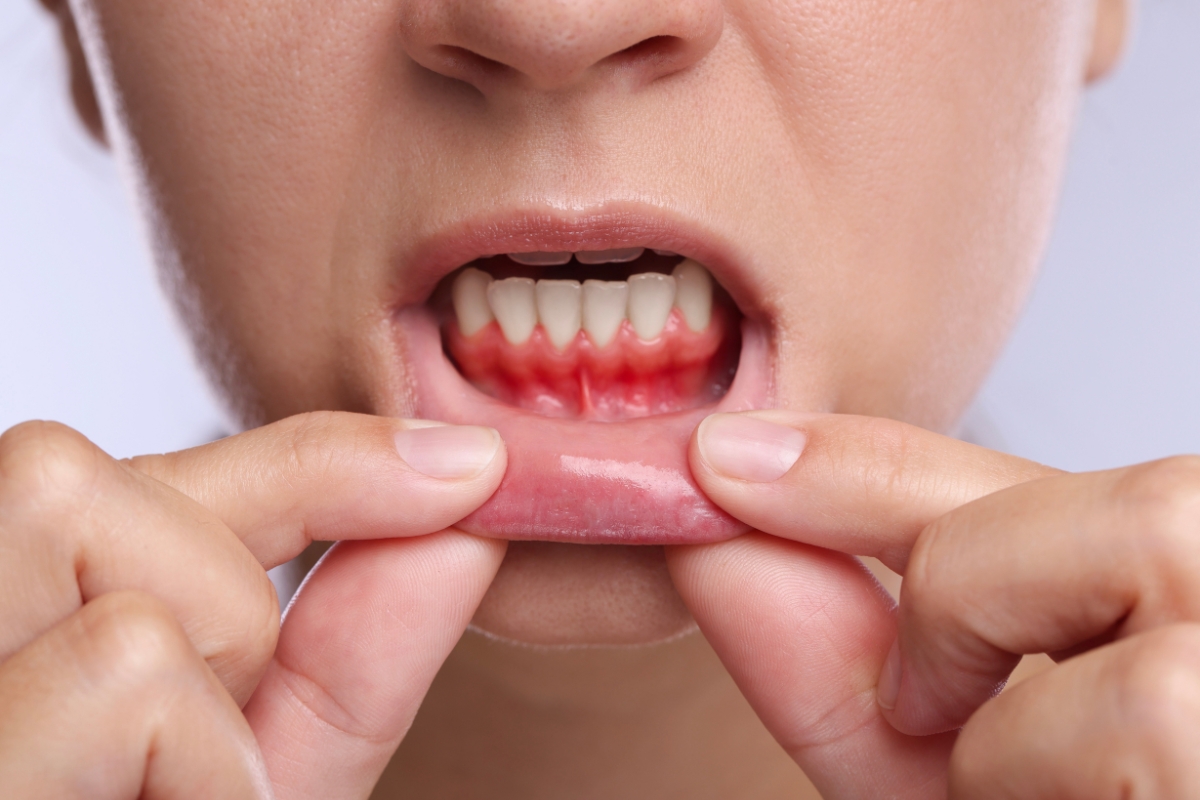
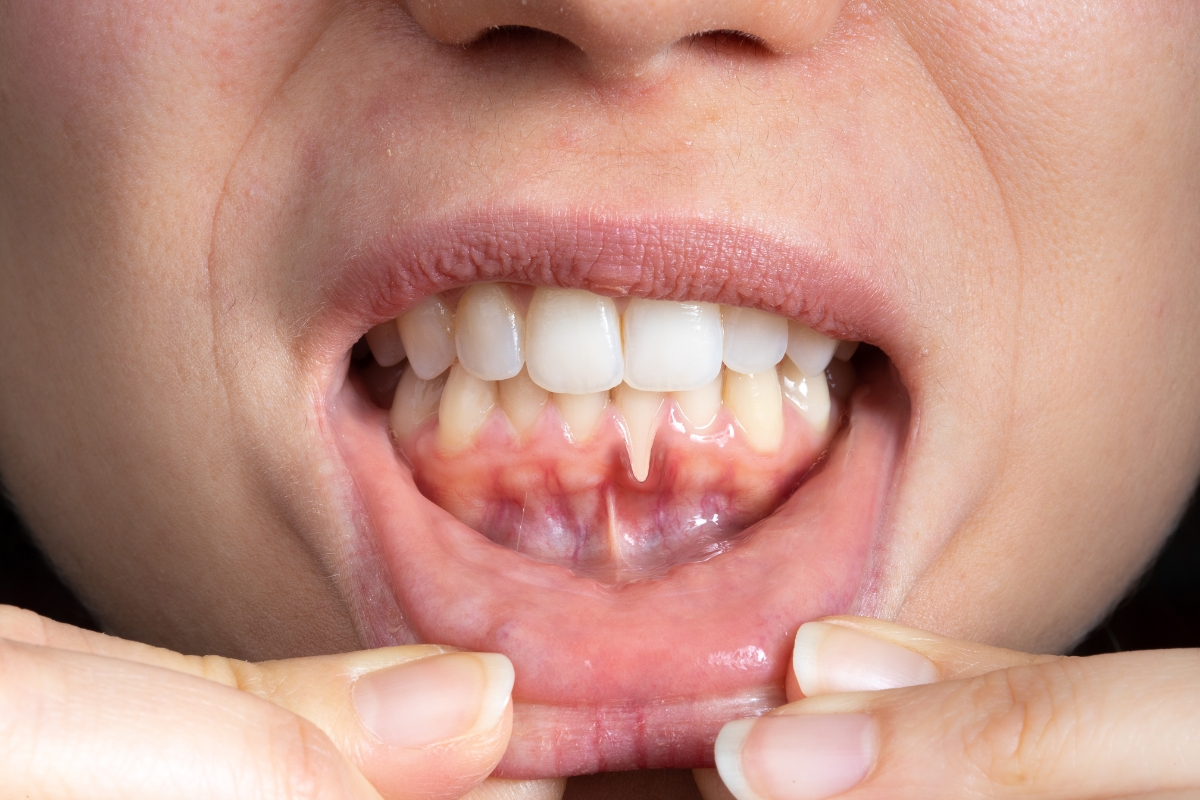
Most people don’t even notice gum recession until it becomes much worse. Your gums slowly pull back or wear away, and suddenly, you’re seeing more of your teeth (or even the roots) than you ever wanted to. At first, it might seem like a minor problem, but if you ignore it, gum recession can seriously compromise your oral health.
So, let’s talk about why you really shouldn’t let gum recession slide. We’ll cover what causes it, what happens if you ignore it, and why catching it early matters.
Why Do Gums Recede?
Before we get into the side effects, let’s look at what causes gums to pull back in the first place. There are a few usual suspects:
- Hasty brushing and flossing. If you’re not keeping up with your oral hygiene, plaque builds up and starts chewing away at your gums.
- Genetics. Some people just drew the short straw—if your family has a history of gum problems, you’re more likely to deal with it too.
- Getting older. Gums naturally recede as you age. It’s just one of those things.
- Brushing too hard. You think you’re doing your teeth a favor, but scrubbing too aggressively or using a stiff toothbrush can wear down your gums.
- Gum disease. Conditions like gingivitis or periodontitis are big reasons gums start to pull back.
What Happens If You Ignore Gum Recession?
Letting gum recession go untreated isn’t just a cosmetic thing—it opens the door to a bunch of dental problems that are much harder to fix later.
1. Tooth Sensitivity
Once your tooth roots are exposed, hot or cold foods can trigger sharp, sudden pain. Even something sweet can make you wince.
2. More Cavities
Tooth roots don’t have the tough enamel that protects the crowns of your teeth. Once they’re out in the open, they get cavities a lot more easily.
3. Gum Disease Gets Worse
Receding gums can create little pockets that trap bacteria. That makes it easier for infections like gingivitis or periodontitis to take hold, worsening your gums.
4. Tooth Loss
If your gums keep pulling back, your teeth lose their support and can actually start to loosen. In really severe cases, the bone underneath can get damaged, and you could end up losing teeth.
5. Changes to Your Smile
Gum recession can make your teeth look way longer than they should. Your smile might start to look uneven or just not like you anymore, which can take a hit on your confidence.
6. Bone Loss
Sometimes, gum recession goes deep enough to affect the bone in your jaw. Over time, that bone can shrink, making your teeth even less stable and the whole situation more challenging to treat.
How to Stop Gum Recession from Getting Worse
Notice your gums pulling back? Don’t wait. Here’s what helps:
- See your dentist regularly. They’ll spot gum recession early and tell you what to do next.
- Keep your brushing and flossing routine on point. Use a soft-bristled toothbrush and don’t go at your gums like you’re scrubbing a stain out of carpet.
- Treat gum disease fast. If that’s what’s causing your gums to recede, professional treatment is the only way to get ahead of it.
- Consider a gum graft. For severe cases, your dentist might suggest this to restore your gum tissue and protect your teeth.
Gum recession isn’t just annoying—it’s a real threat to your teeth and your smile. If you notice any signs, talk to our dentist at Joplin Family Dental right away. The sooner you deal with it, the easier it is to fix. Don’t wait—book your appointment now and keep your gums healthy for the long run.
Frequently Asked Questions
1. Can gum recession be reversed?
Unfortunately, gum recession cannot be fully reversed. However, early intervention can prevent it from worsening, and treatments like gum grafts can help restore lost tissue.
2. How can I tell if I have gum recession?
Signs of gum recession include visible tooth roots, increased tooth sensitivity, and changes in your smile’s appearance. If you notice any of these symptoms, consult a dentist as soon as possible.
3. Is gum recession only caused by poor oral hygiene?
No, while poor oral hygiene is a significant factor, other causes include genetics, age, aggressive brushing, and gum disease. It’s essential to address all potential risk factors.
4. What are the treatments for gum recession?
Treatments vary depending on the severity of the recession. Options include professional cleanings, scaling, root planing, and, for advanced cases, gum grafting. Your dentist can recommend the best treatment for your situation.
5. Can I still get dental implants if I have gum recession?
Yes, dental implants can be successful even if you have gum recession. However, you may need a gum graft to ensure the implant site is stable.