4402 E 32nd St Suite B, Joplin, MO 64804, United States

Home Remedies for Gum Recession: Myth vs. Reality

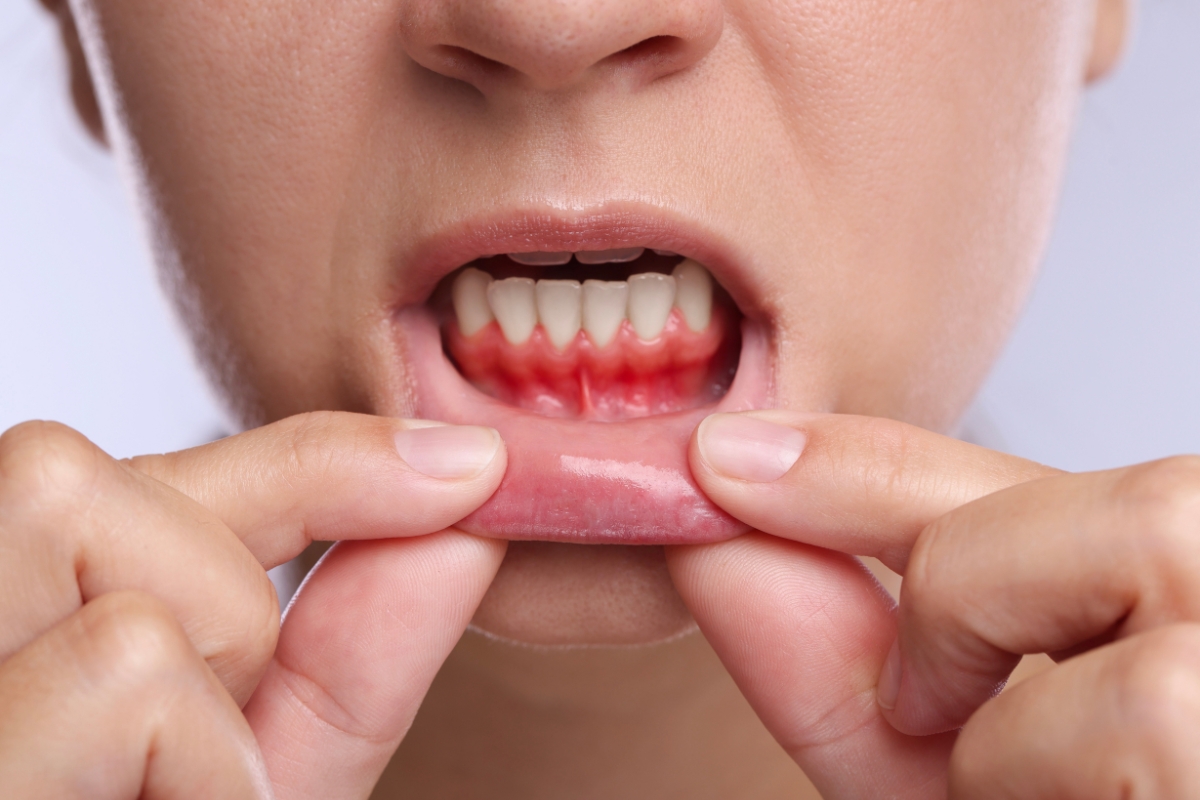
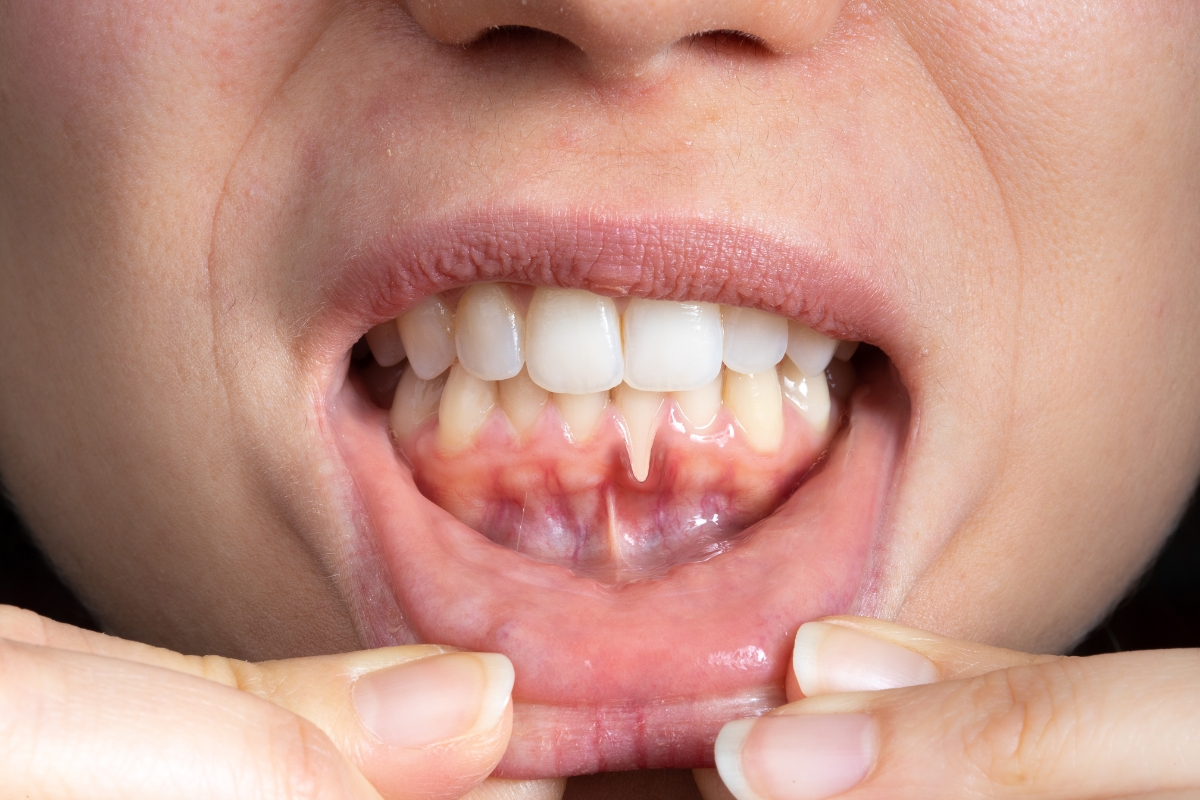
Gum recession happens when gum tissue wears away, revealing more of the tooth or its root. This can increase tooth sensitivity, raise the risk of decay, and affect your smile. While many people turn to home remedies for relief, it’s important to separate fact from fiction when managing gum recession.
In this blog, we’ll debunk common myths about home remedies and offer real solutions for maintaining healthy gums.
Understanding Gum Recession
Gum recession occurs gradually as the gum tissue pulls back from the teeth. Several factors contribute to this condition:
- Gum Disease: Bacterial infections can damage gum tissue and supporting bone, leading to recession.
- Aggressive Brushing: Brushing too hard or using a hard-bristled toothbrush can wear away gum tissue.
- Genetics: Some people are more prone to gum recession due to hereditary factors.
- Poor Oral Hygiene: Inadequate dental care causes plaque buildup, contributing to gum issues.
Debunking Myths About Home Remedies for Gum Recession
Several myths surround home remedies for gum recession. Let’s clear up these misconceptions to help you make better decisions for your oral health.
Myth 1: Salt Water Rinses Can Reverse Gum Recession
The Claim: Rinsing with salt water can reverse gum recession.
The Truth: While salt water can soothe gums and reduce inflammation, it won’t regenerate gum tissue. It works as a mild antiseptic but doesn’t fix the underlying causes of recession.
Myth 2: Brushing Harder Prevents Recession
The Claim: Brushing harder will stop or prevent gum recession.
The Truth: Brushing too aggressively can worsen gum recession. Overbrushing wears down both gum tissue and enamel. Using a soft-bristled toothbrush and gentle brushing techniques is key to protecting your gums.
Myth 3: Baking Soda Can Heal Receding Gums
The Claim: Baking soda can heal gum recession.
The Truth: While baking soda helps neutralize acids and clean teeth, it doesn’t repair receding gums. Its abrasive texture can irritate sensitive gums if overused. Stick to fluoride toothpaste for daily care.
Myth 4: Essential Oils Can Regrow Gum Tissue
The Claim: Essential oils like tea tree or clove oil can regenerate gum tissue.
The Truth: Essential oils have antibacterial properties that help maintain oral health, but they can’t regrow gum tissue. Use them to complement your dental routine, not as a replacement for professional care.
Myth 5: Lemon Juice Improves Gum Health
The Claim: Lemon juice, high in vitamin C, can boost gum health.
The Truth: Lemon juice’s high acidity can erode enamel and irritate gums. While vitamin C is great for oral health, using lemon juice directly on your teeth may do more harm than good. If you do use it, rinse your mouth with water afterward to protect your teeth.
By understanding the facts behind these popular myths, you can better manage gum recession and take proper steps to maintain healthy gums.
Effective Home Remedies for Managing Gum Recession
While some remedies may not be effective, there are practical steps you can take at home to support gum health and manage symptoms of gum recession. Here are some effective strategies:
Maintain Good Oral Hygiene
- Brushing: Use a soft-bristled toothbrush and fluoride toothpaste to brush your teeth twice a day. Gentle brushing helps remove plaque without damaging your gums.
- Flossing: Floss daily to clean between your teeth and along the gumline. Flossing removes food particles and plaque that can lead to gum disease.
Use a Mouthwash
- Antimicrobial Mouthwash: An antimicrobial mouthwash can help reduce bacteria and plaque buildup. This helps maintain gum health and prevent further recession.
- Alcohol-Free Options: Choose alcohol-free mouthwashes to avoid irritating sensitive gums. Alcohol-free formulas are gentler and less likely to cause dryness.
Improve Your Diet
- Nutrient-Rich Foods: Eat foods rich in vitamins and minerals that support gum health. Vitamin C is essential for gum tissue repair and overall oral health. Include fruits like oranges and strawberries and vegetables like bell peppers in your diet.
- Avoid Sugary Foods: Limit your intake of sugary foods and drinks, which can contribute to plaque buildup and gum disease. Opt for healthier snacks like fruits, vegetables, and nuts.
Stay Hydrated
- Drink Water: Drinking plenty of water helps maintain saliva production, which is crucial for oral health. Saliva helps wash away food particles and bacteria, reducing the risk of gum issues.
Avoid Tobacco Products
- Smoking and Chewing Tobacco: Tobacco use is a significant risk factor for gum disease and can worsen gum recession. Quitting tobacco products can improve your gum health and reduce further recession.
Consider Herbal Remedies
- Aloe Vera: Aloe vera has anti-inflammatory properties and can soothe irritated gums. Applying aloe vera gel to the gums may provide relief from discomfort.
- Green Tea: Green tea has antioxidants that can reduce inflammation and support gum health. Drinking green tea regularly may help manage symptoms of gum recession.
When to See a Dentist?
While home remedies can support gum health, they are not a substitute for professional dental care. If you notice signs of gum recession, such as increased sensitivity, visible gum loss, or persistent gum bleeding, it’s important to consult a dentist. Your dentist can provide a thorough examination and recommend appropriate treatments, such as:
- Scaling and Root Planing: This deep cleaning procedure removes plaque and tartar from below the gumline.
- Gum Grafts: In some cases, gum grafts may be necessary to restore lost gum tissue.
- Regular Cleanings: Professional cleanings help prevent plaque buildup and maintain gum health.
Managing Gum Recession Effectively
Gum recession is a serious condition that requires proper management. While some home remedies can support gum health, they cannot replace professional dental care. Maintaining good oral hygiene, using appropriate products, and making healthy lifestyle choices are essential steps in managing and preventing gum recession. If you have any more concerns, consult with your dentist in Joplin, MO, to receive personalized advice and treatment options. Taking proactive measures can help protect your gums and maintain a healthy, confident smile.
Frequently Asked Questions
Q. Is there a specific diet that can help with gum recession?
A. A diet rich in vitamins and minerals can support gum health. Foods high in vitamin C (like oranges and bell peppers) are beneficial as they help repair gum tissue. Calcium and phosphorus-rich foods (such as dairy products and nuts) also strengthen teeth and support gum health. Avoiding sugary foods and drinks can prevent further plaque buildup.
Q. How often should I use salt water rinses for gum health?
A. Saltwater rinses can be used a few times a day, especially after meals, to help reduce gum inflammation and clean the mouth. However, they should not replace regular brushing and flossing or be seen as a cure for gum recession. They are a supportive measure rather than a primary treatment.
Q. Can using a soft-bristled toothbrush really make a difference?
A. Yes, using a soft-bristled toothbrush is crucial for preventing further gum recession. Hard-bristled toothbrushes or brushing too aggressively can damage the gum tissue and exacerbate recession. A soft-bristled toothbrush helps clean teeth effectively while being gentle on the gums.