4402 E 32nd St Suite B, Joplin, MO 64804, United States

Is Root Canal Treatment Safe for People with Diabetes?
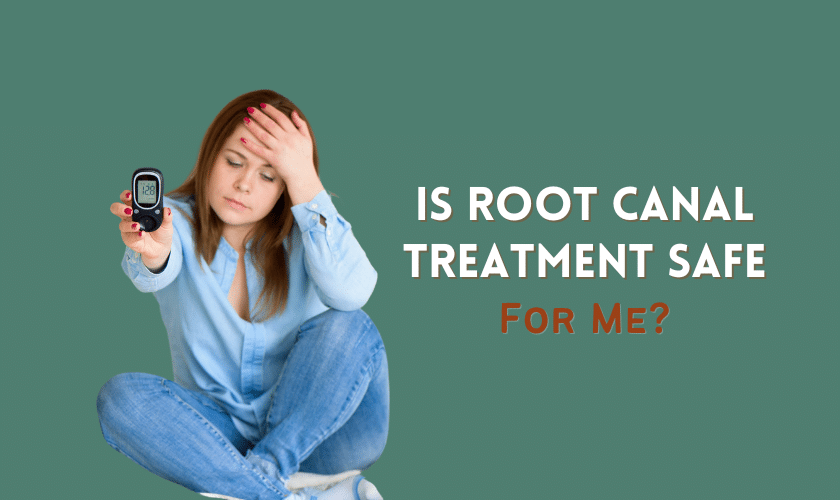
Toothaches are no fun for anyone, but for people with diabetes, they can be a source of particular concern. When the pain originates from a deeply infected tooth, a root canal might be the recommended course of treatment. But if you have diabetes, you might wonder: is a root canal safe for me? The answer, thankfully, is yes, with a few important considerations. This blog post will delve into everything you need to know about root canals and diabetes, from understanding the procedures to practical tips for a smooth recovery.
Living with diabetes brings a unique set of challenges, and oral health is one that often gets overlooked. Chronically high blood sugar levels can weaken your body’s natural defenses, making you more susceptible to gum disease and tooth infections. If left untreated, an infected tooth can lead to a painful abscess, a pus-filled pocket that can cause further complications. A root canal treatment can prevent this by removing the infected pulp, preserving the tooth structure, and alleviating the pain. However, addressing common concerns and empowering you to make informed decisions about your oral health.
What is Root Canal Treatment?
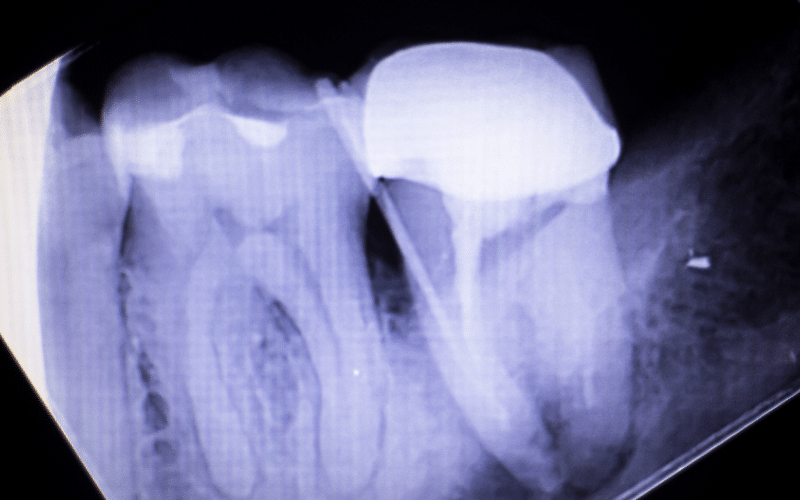
A root canal is a dental procedure designed to save a severely infected or damaged tooth. The infected pulp, the soft tissue inside the tooth containing nerves and blood vessels, is carefully removed. The canals within the tooth’s root are then cleaned, disinfected, and sealed with a special material. Finally, a crown is often placed on the tooth to restore its strength and functionality.
What Are the Symptoms of Root Canal Problems?
Identifying the need for a root canal isn’t always easy. While severe toothaches and obvious cavities are clear indicators, some issues are less obvious. Here are six signs that may suggest you need a root canal:
Chipped or Cracked Tooth: Even minor damage can lead to decay and infection.
Persistent Toothache: Severe, ongoing pain, especially when eating or biting down, may indicate the need for dental attention.
Lingering Sensitivity: Long-lasting sensitivity to hot or cold temperatures may signal nerve damage.
Darkened or Discolored Tooth: Sudden discoloration, especially if the tooth turns grey or black, could indicate severe decay.
Swelling: Facial or jaw swelling, along with gum swelling and tooth pain, may suggest an infected tooth.
Gum Bump: A pimple-like bump on the gum could indicate a dental abscess, requiring immediate treatment.
If you notice any of these signs, don’t delay. Schedule a dental appointment promptly to address the issue. Early intervention can often prevent further complications and the need for extensive treatment like a root canal.
What is Diabetes?
Diabetes is a chronic condition that affects how your body regulates blood sugar (glucose) levels. There are two main types:
Type 1 diabetes: The body doesn’t produce enough insulin, a hormone needed to transport glucose from the bloodstream into cells for energy.
Type 2 diabetes: The body either doesn’t produce enough insulin or becomes resistant to its effects.
Uncontrolled diabetes can lead to a variety of health complications, including problems with the eyes, kidneys, and nerves. It can also weaken the immune system, making it harder for your body to fight infections, including those in the mouth.
Can Type 2 Diabetes Cause Dental Problems?
Yes, diabetes can significantly increase your risk of developing dental problems. High blood sugar levels create an environment where bacteria thrive, leading to plaque buildup and gum disease. Additionally, diabetes can impair the body’s healing response, making it harder for your gums and other oral tissues to heal after injury or infection.
Root Canal Treatment for Diabetic Patients
While diabetes doesn’t necessarily disqualify you from root canal treatment, it’s essential to be upfront with your dentist about your condition. They can adjust the treatment plan to optimize your experience and ensure a successful outcome. Here’s what you can expect:
Pre-treatment consultation: Discuss your medical history, current medications, and blood sugar control with your dentist. They might recommend delaying the procedure if your blood sugar isn’t well-managed.
Managing blood sugar levels: Aim to keep your blood sugar levels within the target range recommended by your doctor before and after the procedure.
Antibiotics: Your dentist might prescribe antibiotics before or after the root canal to help prevent infection.
Local anesthesia: Local anesthesia is typically used for root canals. This ensures you won’t feel pain during the procedure.
Post-operative care: Following your dentist’s instructions for post-operative care is crucial for a smooth recovery. This includes maintaining good oral hygiene and managing any pain with over-the-counter medications.
What to Expect After Root Canal Treatment?
Following a root canal, it’s normal to experience some mild discomfort and sensitivity. This can be managed with over-the-counter pain relievers like ibuprofen or acetaminophen. It’s essential to maintain good oral hygiene by brushing twice a day and flossing daily to promote healing and prevent further infection. You’ll likely need a follow-up appointment to have a crown placed on the treated tooth to restore its strength and functionality.