4402 E 32nd St Suite B, Joplin, MO 64804, United States

Vital Signs of Root Canal Infection to Take Seriously
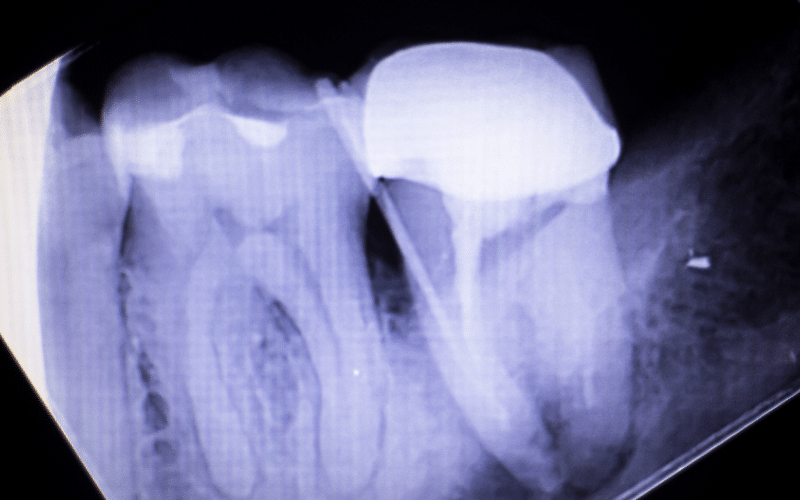
Root canal infections, also known as pulpitis or periapical abscess, are more than just sources of pain—they are serious dental concerns that demand attention. In this article, we delve into the intricacies of root canal infections, exploring the seven vital signs you should never ignore. By gaining insight into these warning signals, you empower yourself to recognize and address a root canal infection promptly, ensuring better oral health.
A root canal infection occurs when bacteria and other harmful substances infiltrate the inner chamber of the tooth, infecting the dental pulp. This condition can arise from neglected cavities, trauma to the tooth, inadequate oral hygiene, or a fractured tooth. If left unattended, the infection extends beyond the tooth’s roots, potentially leading to severe health complications. In this article, we not only elucidate the nature of root canal infections but also emphasize the importance of early detection and intervention to prevent further consequences. Let’s explore the seven key signs that demand your attention in the journey to safeguarding your dental well-being.
Identifying Root Canal Infection: Recognizing the Key Signs and Symptoms
Discovering the presence of a root canal infection is crucial for timely intervention and effective dental care. Here, we explore the seven vital signs and symptoms that warrant your attention:
Pain – A predominant indicator, severe pain during chewing or tooth pressure is characteristic. The pain can vary from constant throbbing to sharp, intermittent discomfort.
Swelling – Infection often leads to swelling in the gums surrounding the affected tooth and even in facial areas. Swift treatment is imperative to address the bacterial accumulation causing this swelling.
Darkening of the Tooth – Infected teeth may exhibit a change in color, and darkening due to the presence of bacteria and infection.
Sensitivity – Heightened sensitivity to hot and cold temperatures is a common sign. Exposure to extreme temperatures can result in noticeable pain for an infected tooth.
Bad Breath – A distinct and often unpleasant odor, described as “rotten” or “foul,” emanates from an infected tooth.
Taste – Root canal infections can produce a metallic taste in the mouth, presenting an unpleasant challenge to eliminate.
Pus – Advanced infections may lead to pus drainage from the gums if the infection spreads beyond the tooth. Recognizing this sign emphasizes the urgency of seeking professional dental care.
Understanding these signs is pivotal in the early detection and management of root canal infections. If you notice any combination of these symptoms, consulting with a dental professional promptly is essential for effective treatment and the preservation of your oral health
Diagnosis and Treatment of Root Canal Infection
When experiencing any of the aforementioned symptoms, seeking prompt dental attention is paramount. Your Joplin dentist will conduct a comprehensive examination to confirm the diagnosis and devise an appropriate treatment plan. Typically, treatment entails the extraction of the infected pulp and thorough cleansing of the root canal to eliminate debris. Subsequently, a filling material is applied to the canal to inhibit further infection. In certain instances, antibiotics may be prescribed to combat the infection and alleviate inflammation.
Prevention of Root Canal Infection
Proactive dental care is key to averting root canal infections. This involves adhering to a regimen of regular dental check-ups, diligently brushing and flossing your teeth twice daily, utilizing mouthwash to reduce bacterial proliferation, and refraining from consuming sugary foods that contribute to cavity formation. Root canal infections demand timely intervention to forestall complications. Should you manifest any of the seven pivotal symptoms delineated in this discourse, seeking professional dental care promptly is imperative. With appropriate treatment and preventive measures, you can sidestep the agony and expense associated with root canal infections.
How do I know if I have a root canal infection?
Manifestations of severe pain during chewing or tooth pressure, gum or facial swelling, tooth discoloration, heightened sensitivity to temperature fluctuations, halitosis, an unpleasant metallic taste, or gum pus discharge may signify a root canal infection.
How do I prevent root canal infections?
The most effective means of forestalling root canal infections entails diligent oral hygiene practices. This encompasses regular dental visits, meticulous brushing, and flossing routines, the utilization of mouthwash to curb bacterial growth, and steering clear of sugary edibles that foster cavity development.
What treatments are available for root canal infections?
Treatment modalities for root canal infections typically encompass the extraction of infected pulp and meticulous cleansing of the root canal treatment. Subsequently, a filling material is applied to seal the canal and thwart further infection. In select cases, antibiotics may be prescribed to combat the infection and assuage inflammation.