4402 E 32nd St Suite B, Joplin, MO 64804, United States

Root Canals and Heart Health: The Link Between Oral Infections and Your Arteries

Did you know that an untreated root canal infection can affect more than just your teeth? While it’s commonly understood that root canal treatments help save damaged teeth, fewer people know that the condition of your oral health can impact your heart. It may seem surprising, but research has shown a direct connection between oral infections and cardiovascular health.
This blog will explore the often-overlooked relationship between root canal infections, oral health, and how untreated infections can lead to serious heart issues, including arterial inflammation and heart disease. By understanding this link, you can take proactive steps to protect both your smile and your heart.
Understanding Root Canals
What is a Root Canal?
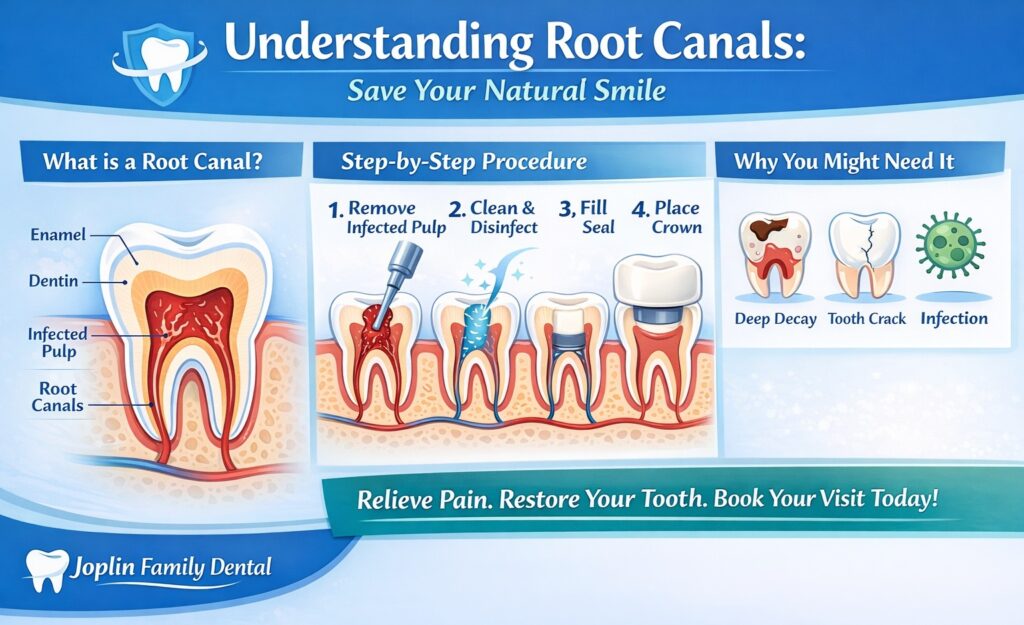
A root canal is a dental procedure designed to save a tooth that has become severely damaged or infected. The tooth’s pulp, which contains blood vessels and nerves, can become infected due to deep decay, cracks, or trauma. A root canal removes this infected pulp, cleans the inside of the tooth, and seals it, allowing the tooth to remain functional.
The Root Canal Procedure
The procedure typically involves several steps. First, the dentist will numb the area around the affected tooth. Then, an access hole is drilled into the tooth to remove the infected pulp.
After the pulp is removed, the cavity is cleaned and shaped, and the tooth is sealed with a filling material. In some cases, a crown is placed on the tooth to restore its structure and function. The entire process can take one or two appointments, depending on the severity of the infection.
Common Reasons for Root Canal Treatment
Root canal treatment is needed when the tooth pulp becomes infected or damaged. This can happen due to deep cavities, cracks, or trauma from an accident. Untreated cavities that reach the pulp are a leading cause of root canal procedures.
Additionally, severe gum disease or repeated dental work on the same tooth can also lead to the need for a root canal in Joplin.
Oral Infections and Their Impact on Overall Health
What Causes Oral Infections?
Oral infections are often caused by the accumulation of bacteria in the mouth. Poor oral hygiene, including infrequent brushing and flossing, allows plaque to build up on the teeth and gums.
Over time, this plaque can lead to tooth decay, gum disease, and even infections of the tooth pulp, all of which can require treatments like root canals.
The Connection Between Oral Infections and Systemic Health
Oral infections don’t stay confined to the mouth; they can have far-reaching consequences for your overall health. Studies have shown that bacteria from untreated oral infections can enter the bloodstream, leading to inflammation throughout the body.
This connection between oral infections and systemic health has been linked to various conditions, including diabetes, respiratory diseases, and cardiovascular problems.
How Infections Affect the Arteries
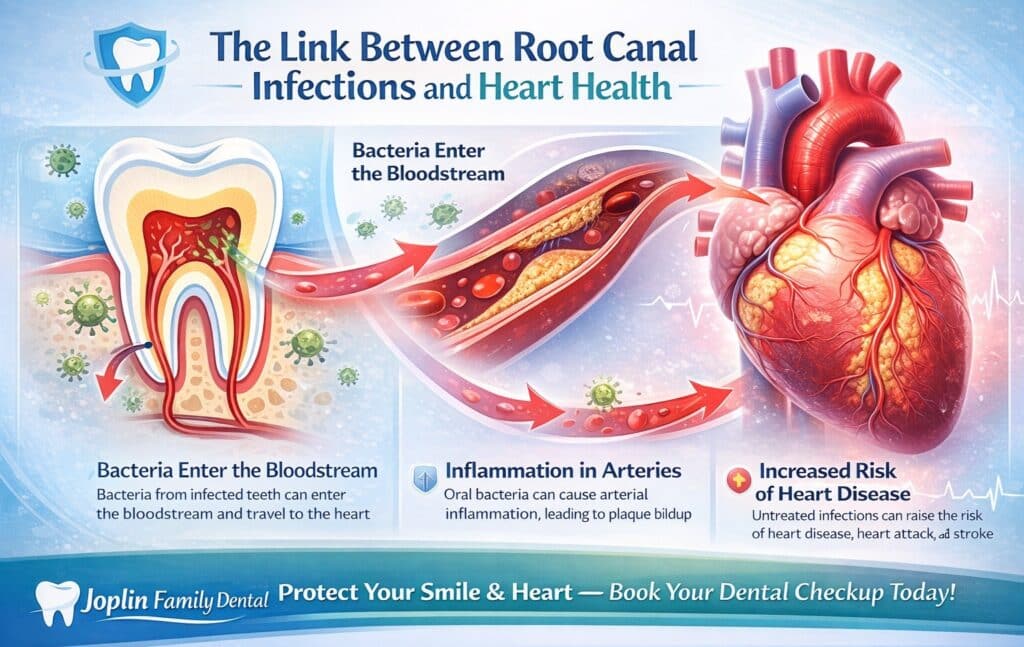
One of the most concerning effects of untreated oral infections is how they can affect the arteries. When oral bacteria enter the bloodstream, they can trigger an inflammatory response in the blood vessels, leading to a condition called atherosclerosis, or the hardening of the arteries.
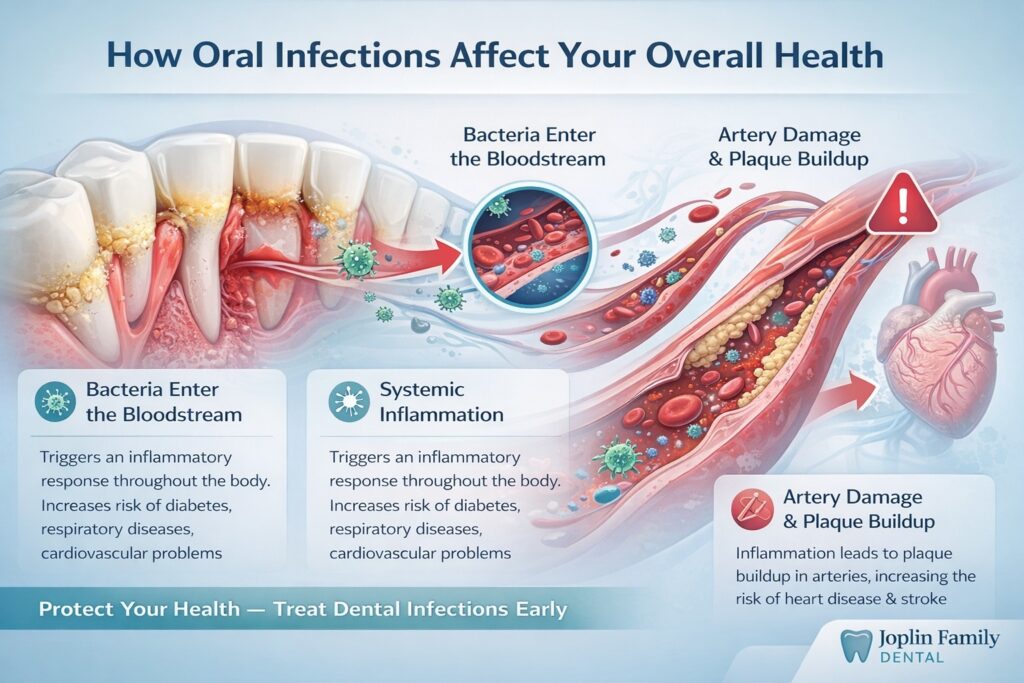
This inflammation can contribute to the buildup of plaque in the arteries, which may eventually lead to heart disease, heart attacks, or stroke.
The Link Between Root Canal Infections and Heart Health
Bacteria from Root Canals
Root canal infections occur when bacteria infiltrate the pulp of a tooth, causing damage and inflammation. When left untreated, these infections can spread beyond the tooth. The infection may enter the bloodstream through the small blood vessels in the infected tooth, potentially triggering a systemic response in the body. This means the harmful bacteria can travel to other parts of the body, including the heart, where they may contribute to inflammation in the arteries.
Oral bacteria, especially those associated with untreated root canal infections, are known to pose significant risks to overall health. Once the bacteria enter the bloodstream, they can settle in areas of the body where blood flow is restricted, like the arteries. This is a particular concern for individuals with pre-existing heart conditions or those at risk for heart disease.
These infections are not just confined to the mouth but can spread to vital organs, making the connection between oral health and cardiovascular health crucial to understand.
This video by Dr. Eric Berg DC discusses perspectives on the connection between dental infections and overall health. While some views are debated, research confirms that untreated oral infections can impact systemic health.
Research & Evidence
Research from reputable organizations like the American Dental Association (ADA) and the Centers for Disease Control and Prevention (CDC) highlights a growing concern over the link between oral infections and heart disease.
Studies have suggested that the bacteria found in the mouth, particularly from infections like those requiring root canals, can lead to serious cardiovascular issues, including atherosclerosis (the buildup of plaque in the arteries) and heart disease.
The Journal of the American Dental Association published research indicating that people with gum disease and untreated oral infections are at a higher risk of developing heart disease. This connection is primarily due to the systemic inflammation caused by the bacteria entering the bloodstream.
According to the CDC, there’s growing evidence that poor oral health, including untreated root canal infections, may increase the risk of developing serious cardiovascular conditions, including heart attacks and strokes.
Additionally, several studies have found that inflammation associated with oral bacteria can trigger an inflammatory response in the arteries, making them more susceptible to plaque buildup. This plaque can eventually clog arteries, further increasing the risk of heart disease.
Potential Risks of Untreated Infections
Leaving a root canal infection untreated can have far-reaching effects on your heart health. When the bacteria from an untreated infection spread through the bloodstream, they don’t just stay in the mouth; they can affect your entire body.
The bacteria can accumulate in the cardiovascular system, contributing to arterial inflammation, which is a key factor in the development of atherosclerosis. Over time, this can significantly increase the risk of heart attacks, strokes, and other serious heart-related conditions.
By treating root canal infections promptly, you reduce the risk of these bacteria entering your bloodstream and causing systemic issues. Not only does this prevent potential damage to your heart, but it also helps maintain your overall well-being. Timely treatment ensures that you protect both your oral and cardiovascular health, which is why it’s essential to address infections as soon as possible.
To protect your heart health, it’s important to treat any infections swiftly and maintain regular dental checkups. By doing so, you can safeguard not only your smile but also your arteries and heart.
Preventing Heart Health Issues Through Proper Oral Care
Maintaining Oral Hygiene
The foundation of preventing oral infections and, by extension, heart health issues, is good oral hygiene. Brushing at least twice a day, flossing daily, and using mouthwash can significantly reduce the buildup of plaque, which is the main cause of tooth decay and gum disease. Proper oral hygiene removes harmful bacteria and keeps your teeth and gums healthy.
Regular Dental Checkups
Regular visits to your dentist are essential for detecting oral infections before they become serious. Professional dental cleanings and examinations allow your dentist to catch early signs of tooth decay, gum disease, or root canal infections that may not yet show symptoms.
If you live in or around Joplin, MO, make sure to schedule your regular checkups with Joplin Family Dental, where we’re dedicated to keeping both your smile and your heart healthy.
Healthy Lifestyle Choices
Maintaining a balanced diet, exercising regularly, and not smoking can help reduce your risk of both oral infections and cardiovascular disease. Avoiding foods and drinks that contribute to plaque buildup and maintaining a healthy weight can also help prevent gum disease and its associated risks.
Remember, a healthy lifestyle not only benefits your heart but also ensures you maintain a beautiful smile.
Maintaining good oral health is more than just preventing cavities. It’s a key part of protecting your heart health. Root canal infections, if left untreated, can have serious consequences, not just for your teeth but also for your cardiovascular system. Regular brushing, flossing, and dental visits are simple yet effective ways to protect both your smile and your arteries.
If you suspect that you may need a root canal or if you’re overdue for a dental checkup, don’t wait. Schedule an appointment with Joplin Family Dental today to keep your oral and heart health in check. We’re here to help you take care of your smile and your overall health.
What People Want to Know
What bacteria are involved in root canal infections?
The bacteria typically involved are Enterococcus faecalis, Streptococcus, and other oral pathogens that can spread to the bloodstream if left untreated.
Can a root canal infection lead to a heart attack?
If left untreated, root canal infections can increase the risk of heart conditions, including heart attacks, by promoting inflammation and plaque buildup in the arteries.
How can I prevent heart problems from root canal infections?
Timely treatment of root canal infections, regular dental checkups, and good oral hygiene can help prevent the spread of bacteria and reduce the risk of cardiovascular issues.
What are the signs of a root canal infection?
Symptoms may include severe tooth pain, sensitivity to hot or cold, swelling around the tooth, and sometimes a pimple-like bump on the gums.
How often should I visit the dentist to prevent these risks?
It’s important to visit your dentist at least twice a year for regular checkups and cleanings to catch any infections early and prevent them from affecting your overall health.