4402 E 32nd St Suite B, Joplin, MO 64804, United States

Tonsil Stones Effects on Dental Health

A lot of people wonder whether tonsilloliths or tonsil stones are a real concern or just an irritation when it comes to their oral health. Tonsil stones can have a significant effect on your oral health, so it’s crucial to know what they are and how they could be influencing your dental hygiene routine. Because nobody wants unpleasant dental surprises, let’s look at how tonsil stones relate to oral health.
Tonsil Stones: What Are They?
Tonsil stones are formed when debris, such as dead cells, mucus, and food particles, becomes trapped and calcifies in the tonsil crypts. The tonsils, which are part of the immune system, contain these small pockets where particles can accumulate and solidify over time. The result is the formation of small, often whitish or yellowish, stone-like structures.
Symptoms of Tonsil Stones
Small tonsil stones may be asymptomatic, meaning they may not cause noticeable symptoms. Some tonsil stones, even when they are large, can only be detected through X-rays or CT scans. The symptoms include:
- Bad Breath (Halitosis): Persistent bad breath is a hallmark symptom of tonsil stones. The accumulation of bacteria and decaying particles in the tonsil crypts releases sulfur compounds, resulting in an unpleasant odor.
- Sore Throat: Larger tonsil stones can cause irritation and discomfort in the throat, leading to a sore throat. The presence of these calcified formations may contribute to a persistent, nagging pain.
- Difficulty Swallowing: Enlarged tonsil stones may make swallowing uncomfortable. Individuals with tonsil stones might experience a sensation of throat tightness or difficulty in swallowing, particularly when the stones are sizeable.
- Visible Signs: In some cases, tonsil stones may be visible as small, white, or yellowish bumps on the surface of the tonsils. Regular self-checks in good lighting can help detect these formations.
- Ear Pain: Tonsil stones can sometimes cause referred pain, leading to discomfort in the ears. This symptom may be particularly noticeable when swallowing.
- Coughing Fits: Irritation caused by tonsil stones can trigger persistent coughing fits. Individuals may find themselves coughing reflexively, especially when the stones are dislodged or partially obstruct the airway.
- Metallic Taste: Some people with tonsil stones report experiencing a metallic taste in the mouth. This taste can result from the release of compounds produced by the interaction of bacteria and debris within the tonsil crypts.
- White Debris on Tonsils: Examining the tonsils may reveal the presence of white or yellowish debris. This accumulation is a visual indication of tonsil stones and may coincide with the formation of the stones themselves.
- Chronic Tonsillitis: Recurrent or chronic tonsillitis may be a sign of underlying tonsil stones. The presence of these calcified formations can contribute to inflammation and infections in the tonsils.
- The feeling of Something Stuck: Individuals with tonsil stones may experience a persistent feeling of something being stuck in the back of the throat. This sensation can contribute to discomfort and the urge to clear the throat frequently.
How Tonsil Stones Affect Oral Health
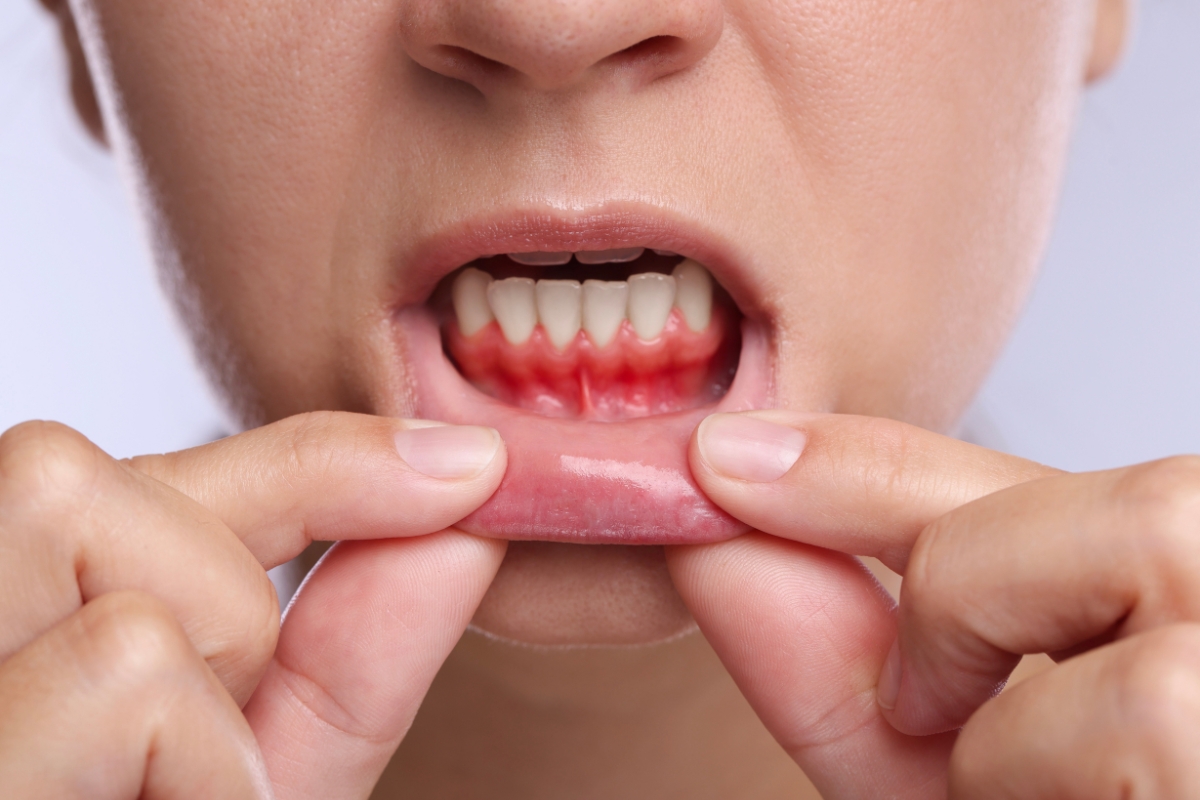
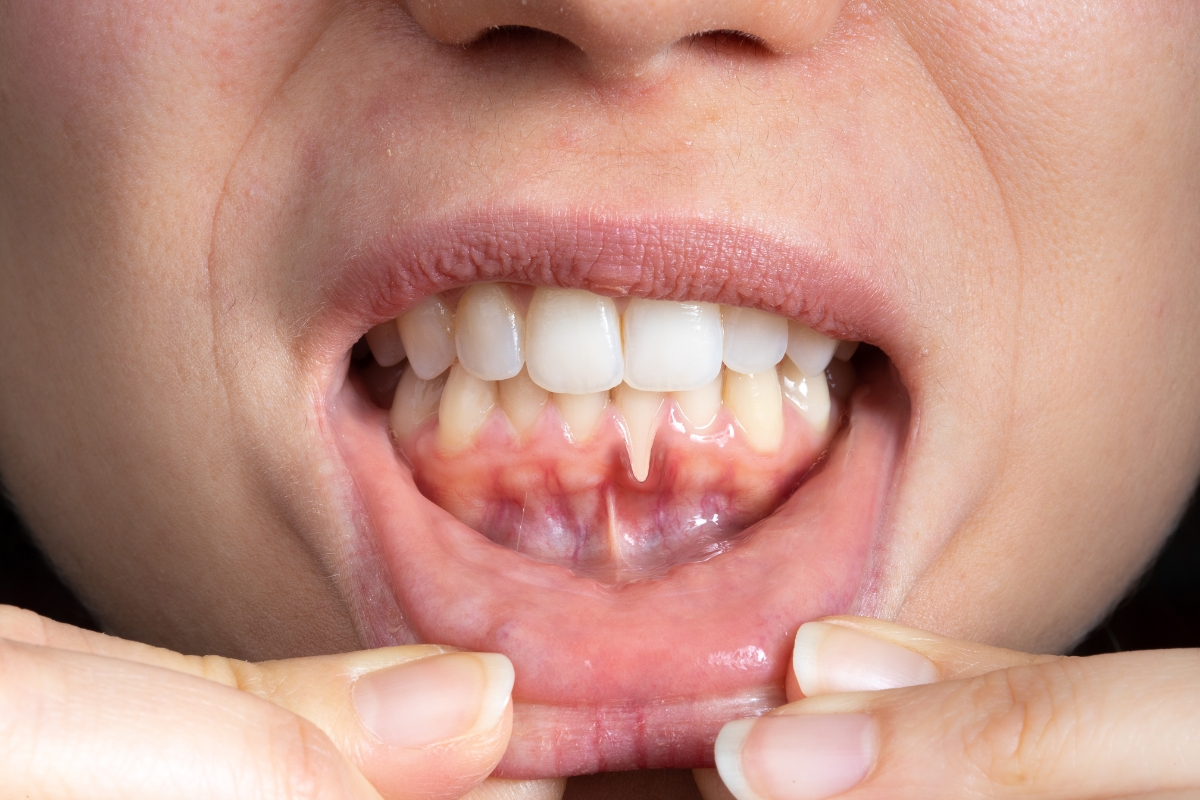
Tonsil stones have the potential to cause unpleasant breath, sore throats, and discomfort while eating or speaking. Furthermore, they can also cause a decrease in the sense of taste and trigger coughing fits by irritating the throat. In addition, they can also contribute to tooth decay and gum disease by creating an ideal environment for harmful bacteria to grow.
The accumulation of debris in these spaces can facilitate the growth of bacteria, leading to the development of gum disease. The presence of debris creates an environment where harmful bacteria can thrive, resulting in tooth decay and inflammation of the gums. Additionally, individuals who experience frequent coughing or throat clearing as a result of tonsil stones are at a higher risk of ingesting bacteria that can lead to the development of gum disease.
Lastly, due to their challenging removal, they can cause chronic inflammation of the tonsils and the surrounding area. Dry mouth can lead to more dental issues, such as an increased risk of tooth decay and gum disease.
Prevention and Removal Strategies
- Good Oral Hygiene: Maintaining good oral hygiene, including regular brushing, flossing, and the use of an antimicrobial mouthwash, can help prevent the buildup of bacteria and debris that contribute to tonsil stones.
- Gargling: Regular gargling with salt water or a non-alcoholic mouthwash can help dislodge small tonsil stones and reduce the bacteria in the mouth.
- Stay Hydrated: Adequate hydration is crucial in preventing the formation of tonsil stones. Drinking plenty of water helps flush out debris and bacteria from the mouth and tonsils.
- Gentle Removal at Home: Small tonsil stones may be gently removed at home using a cotton swab or the back of a toothbrush. It’s essential to be cautious to avoid triggering a gag reflex.
- Medical Intervention: Persistent or large tonsil stones may require medical intervention. In such cases, a healthcare professional or an ear, nose, and throat (ENT) specialist may recommend procedures such as laser treatment, manual removal, or, in severe cases, a tonsillectomy.
Tonsil stones can significantly impact dental health, causing bad breath, gum disease, and more. Recognizing symptoms, understanding prevention strategies, maintaining good oral hygiene, and staying hydrated are crucial for maintaining optimal dental health and promoting overall well-being. If your dental health is affected by tonsil stones, apart from visiting an ENT specialist, it is also important to visit a dentist in Joplin, MO, without any further delay.