4402 E 32nd St Suite B, Joplin, MO 64804, United States

What Happens When Your Gums Recede? A Guide for Joplin Residents
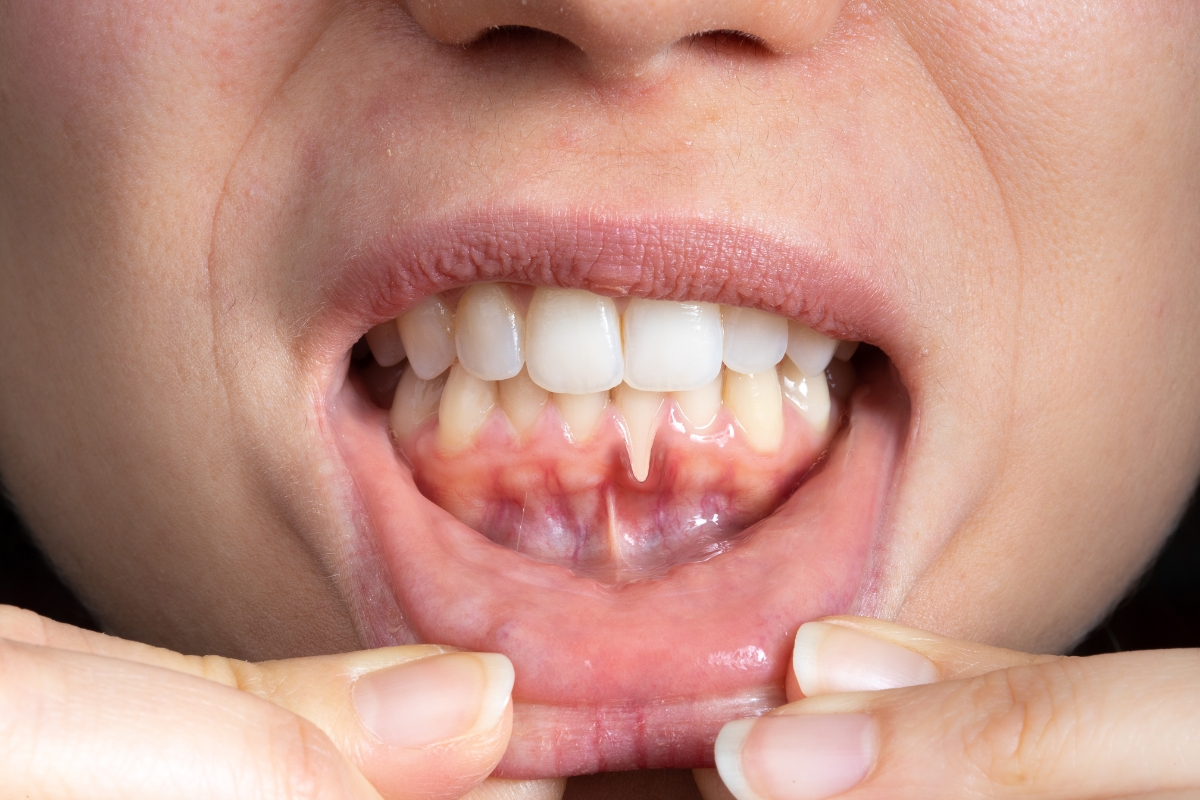
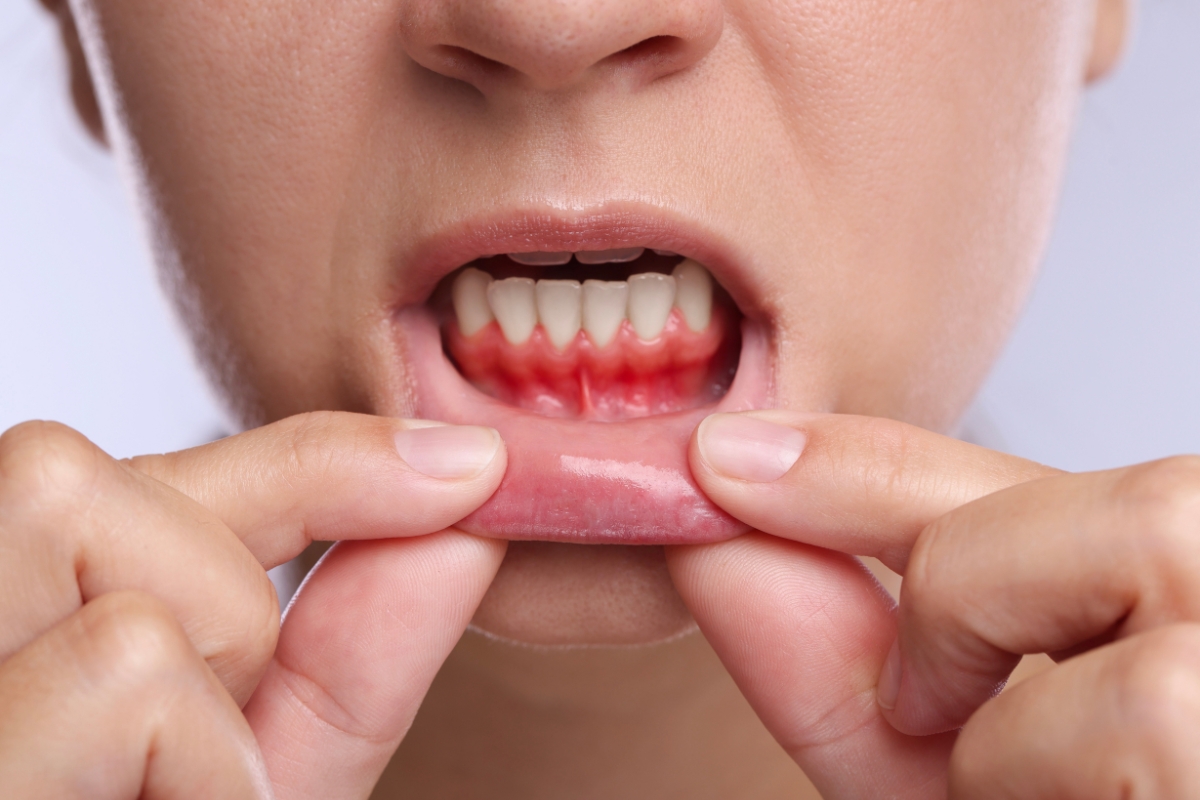
Do you notice in the mirror that your teeth appear longer than they did before? Are they sensitive when you consume hot or cold foods? All of these are common symptoms of gum recession, which occurs when the gum tissue pulls away from the tooth, exposing the root of the tooth. It is more than a cosmetic issue; it is a sign that something is wrong with your oral health. When left on its own, it can lead to bigger problems like decay and even tooth loss. The good news is that there are treatments to protect your smile.
The first step to improving the situation is to understand the root of the problem. Let us look at the common causes of gum recession and what you can do about them.
Reasons Behind Receding Gums
The majority of people believe that gum recession is a natural process of aging, but that is not the case. It is usually the result of some factors that can either be controlled or corrected.
One of the most common causes of gum recession is periodontal disease, a bacterial gum infection that destroys gum tissue and the bone supporting your teeth. According to the Centers for Disease Control and Prevention, nearly half of adults over age 30 in the United States have evidence of periodontal disease.
Another common factor is overly aggressive brushing. Using a toothbrush with hard bristles or scrubbing your teeth too hard can wear down enamel and cause the delicate gum tissue to recede. While it may feel like you’re doing a great job, gentler is better when it comes to your gums. Genetics can also play a part. Some people are simply born with thin gum tissue, which predisposes them to recession. Other causes include tobacco use, grinding your teeth at night, or a misaligned bite that puts too much pressure on certain teeth.
Take Action to Improve Your Gum Health
The goal is to stop the recession from getting any worse and allow your gums to heal and become healthy. You can master your oral health with a bit of alteration of your daily oral care routines.
Start by examining your brushing style. Switch to a soft-bristled toothbrush and soft, circular motions instead of a firm back-and-forth scrub. It’s also wise to examine your overall diet. Carbohydrates and sweets can feed the bacteria that contribute to gum disease, so choosing a balanced diet rich in vitamins and minerals is always a smart choice for your smile.
When the time arrives to find a solution to correct gum recession, professional help is necessary. A dentist can help by initially identifying the causes of your dental condition and working out a plan to reverse them. The earlier this is diagnosed, the less invasive the solution may be.
Solutions to Renew Your Smile
For early-stage gum recession, a deep professional cleaning, also known as scaling and root planing, can be employed to eliminate the bacteria and tartar accumulation causing the gum disease. This allows the gums to heal and reattach. In worst cases, a dentist might recommend a gum graft, where a small tissue is placed over the exposed root to rebuild the gum line.
Your dentist will provide an easy assessment and guide you to the best solution. The best solution is always personalized, and it starts with an easy conversation about what’s best for you.
If you have been observing a shift in your gum line or simply have concerns about your oral health, don’t wait. Being proactive is the ideal method for guarding your smile.
Schedule a consultation with our compassionate dental team at Joplin Dental by contacting us today.